

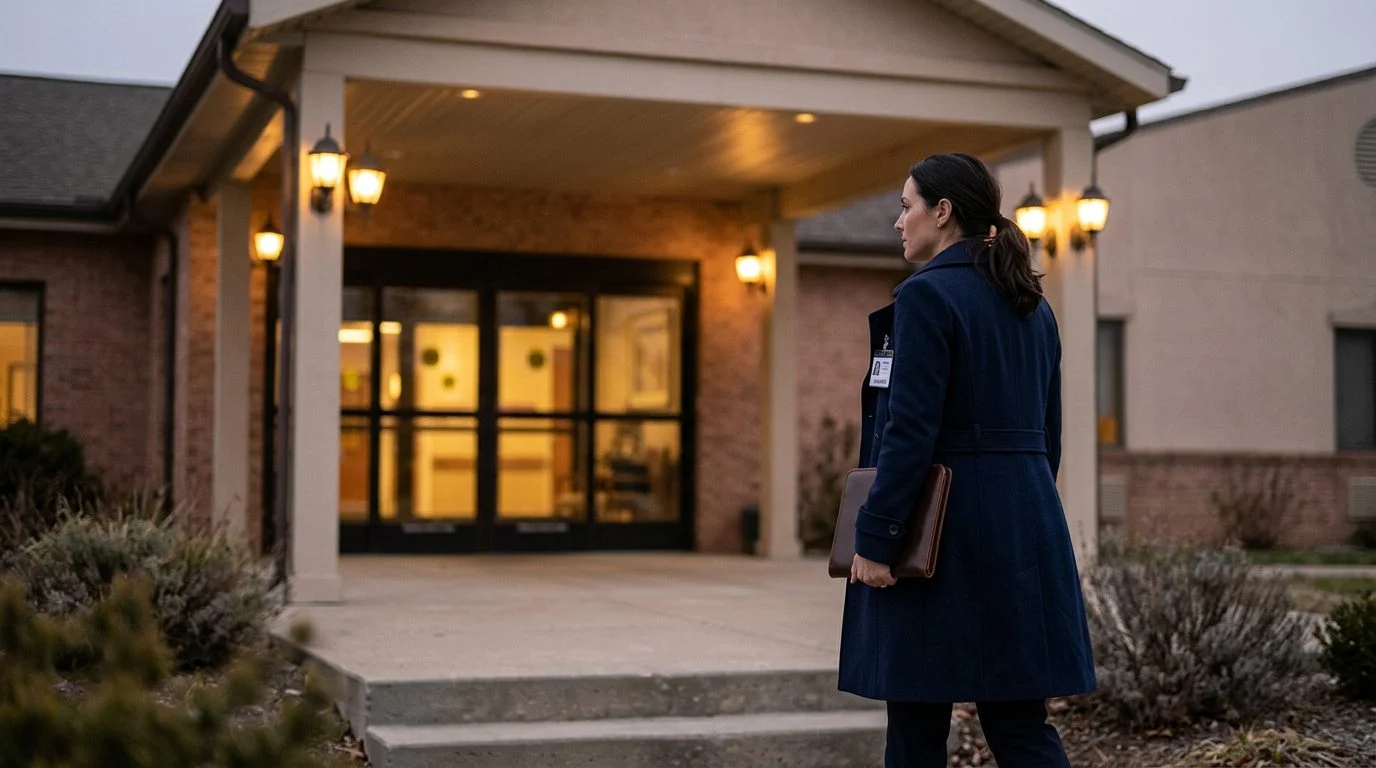
Nursing Home Abuse | Clayton County
Worried about how your loved one is being treated? Start with the evidence.
Practical steps for protecting records, photos and witness notes while you decide what to do next.
T. Madden & Associates, P.C.
1999
Serving Georgia injury clients since
5
Offices across Georgia
By Terance Madden · Published November 9, 2026
If a parent or relative was hurt in a Clayton County nursing home, you may be the one gathering the paperwork. This guide explains the evidence that matters and how to keep it.
What evidence, such as medical records, facility incident reports, staffing logs, and photographs, is needed to prove abuse or neglect at a Clayton County nursing home?
Proof usually comes from several records read together. Those include medical records, the facility’s own incident reports, staffing logs, dated photographs or video, and state inspection records. No single document usually settles the question. The pattern across them over time is what matters.
Neglect means a failure to give a resident the care they need. Abuse means harm done to a resident, whether physical, emotional or financial. The Georgia Division of Aging Services publishes definitions and warning signs for both. The two often overlap, and a neglected resident can also be harmed in ways that look like abuse.
Georgia law says each resident shall receive care, treatment, and services which are adequate and appropriate, provided with reasonable care and skill and in compliance with applicable laws and regulations (O.C.G.A. § 31-8-108(a); official Georgia Code text). Whether a specific case meets that standard depends on the facts.
If you’re worried about a parent right now, asking for records is a sound first step. Start by writing down what you notice while your memory is fresh.
If your mother or father was hurt in a Clayton County facility, you don't have to sort through these records alone. Our team can talk through what you've found. Talk it through with our team — the first consultation is free, confidential, and carries no obligation.
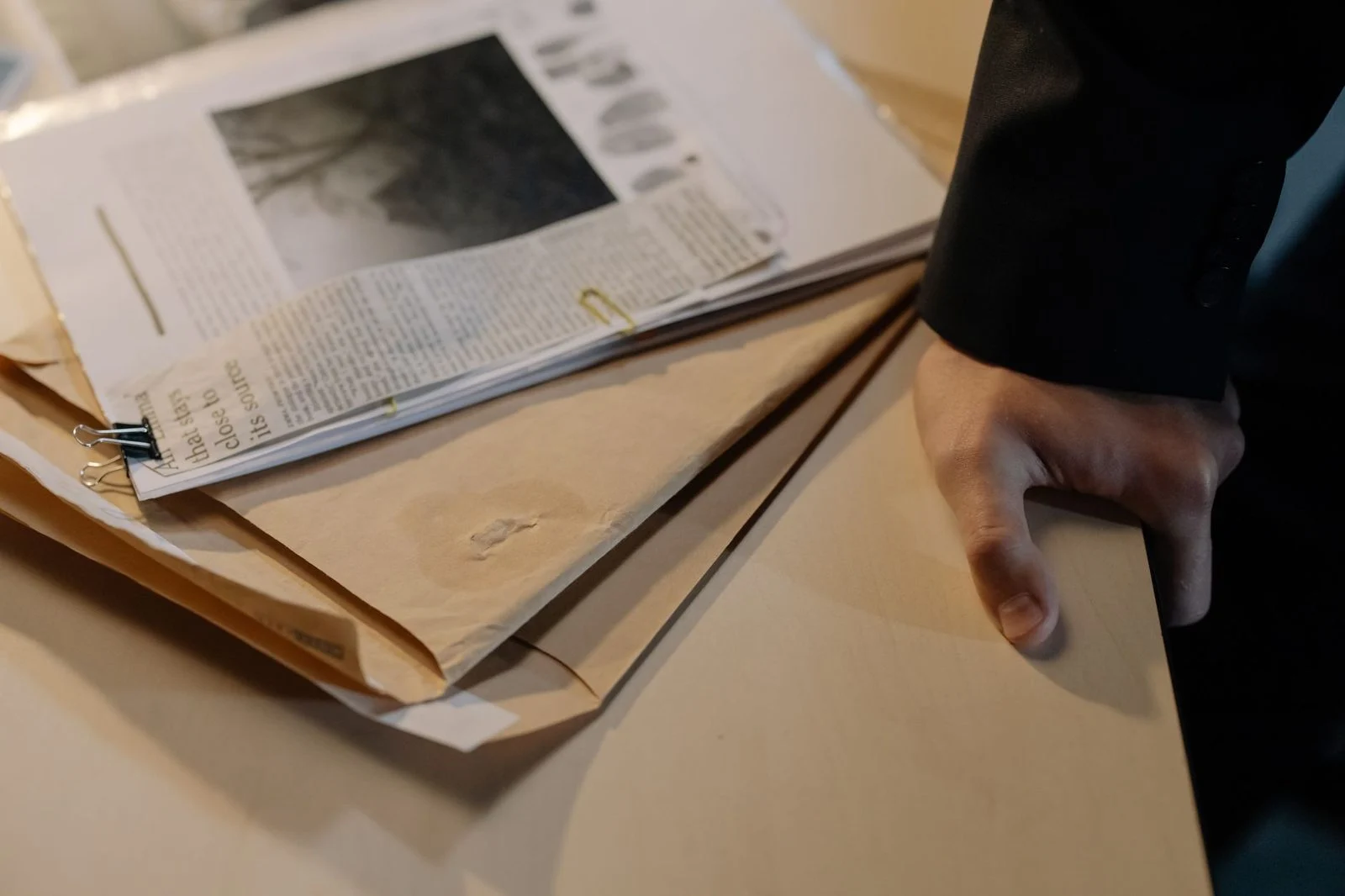
Medical records and care plans: what they show and why dates matter
Medical records show how a resident’s health changed over time, and that timeline is often the strongest proof. Look for unexplained weight loss, dehydration, pressure sores (bedsores), falls, infections, medication errors, and treatment that was missed or came late.
The care plan is the written plan for the resident’s needs, and the facility is expected to follow it. When the plan says one thing and the daily notes show another, that gap often becomes central. Ask for the plan and every revision.
Dates and times matter. A sudden decline after a visit, a hospital stay or a room change deserves a close look. Write each date down as you see it.
Under Georgia law, a resident or the resident’s guardian may see all information in the resident’s medical records and may inspect and get a copy of them, unless that is “medically contraindicated” (meaning there is a medical reason the resident should not see them), and the facility may charge a reasonable copying fee that cannot be more than its actual cost (O.C.G.A. § 31-8-108(b)(6); official Georgia Code text). Under O.C.G.A. § 31-33-2, when the patient or a person authorized to access the record makes a written request, the provider generally has 30 days from receiving it to furnish the record. The request must come with the authorizations the law lists, including a signed written authorization showing the person is allowed to see the records. If the provider reasonably decides that releasing the record to the patient would harm the patient’s physical or mental health, it may refuse, but it must then send the record to another provider the patient names in a written request.
Put every request in writing. Keep a copy, and log the date you sent it and the date you got a reply. A medical provider outside the facility can also help explain what the records mean.
Facility incident reports and internal documentation
Incident reports are the facility’s own written account of a fall, injury, altercation or wandering episode. Ask for every report tied to the resident’s stay. Ask whether a report was filed at all, since a missing report can be as telling as a late one.
Gaps and late entries matter. So do reports that don’t match the medical chart. If an incident report says a resident was fine and the hospital record shows a fracture, that mismatch is worth preserving.
Ask in writing for other internal papers too: staff notes, changes to the care plan, and records of complaints you made. Keep a copy of each complaint, with the date and the name of the person you spoke with.
Sometimes a facility won’t release what you request, and a formal request may not be enough. A subpoena, which is a court order to produce records, may be needed. Don’t wait on that step if you fear records will disappear.
Keep originals safe for that reason.
Staffing logs and schedules: how understaffing becomes proof
Staffing logs show how many aides and nurses were on duty during a shift. Comparing that count with the resident’s needs on the same day can show neglect.
Schedules, sign-in sheets, timeclock data and agency staffing records can fill gaps. Say a single aide covered a whole hallway, while a resident needed help getting to the bathroom every hour. That mismatch tells a story. Compare these records with the medical records on the same dates, so the two sets line up.
These records connect to federal standards.
Terance Madden holds an engineering degree, which helps him read technical records like staffing data. When a case turns on schedules and numbers, that background helps line up the pieces. Who was on duty often shows what was missing that day.
Photographs, video, and a dated personal log kept by the family
Dated photographs and a written visit log are evidence you can start collecting today. Record the date and time on every picture and every note.
Photograph bruises, pressure sores, bed rails, unsanitary rooms, spoiled food and the resident’s general condition. If you can, photograph the same area over time.
Keep a simple log. Write down each visit and call, what the resident told you, what staff said, and any change you noticed. Write it as soon as you can after each visit, while the details are fresh.
The family member who visits and handles medications, appointments and paperwork usually keeps this record. That role matters. A well-kept log can show a pattern that the chart alone may miss.
Don’t alter, mark up or throw away any original document. Store copies in a separate place. If you’re unsure whether a photo or note matters, keep it anyway.
State inspection records and the next step for your family
The state regulates nursing homes, and inspection reports and citations can show problems at a facility over time. Repeated findings often matter most.
Ask whether a facility has had similar findings before, and note the dates. Georgia’s Department of Human Services publishes how to report suspected abuse, neglect or exploitation in long-term-care facilities. It says to dial 911 when a resident is in immediate danger (Georgia Department of Human Services).
If you’re watching a parent or relative in care and don’t know what to do next, you don’t have to decide alone. The firm has been in practice since 1999, and it offers a free, confidential first consultation with no obligation to continue. Terance Madden is the responsible lawyer.
The firm works on a no-fee-unless-we-win basis, but you may still owe court costs and case expenses. To talk through what you’ve found, request a free case evaluation.
Not sure what your next step is?
Talk it through with our team — the first consultation is free, confidential, and carries no obligation.
Frequently Asked Questions
What evidence is needed in a nursing home abuse case in Clayton County?
Useful evidence includes the resident’s medical records, the facility’s care plan, staffing and visitor logs, dated photos of injuries or bedsores, and notes from anyone who saw the problem. T. Madden & Associates, P.C. offers a free, confidential first consultation with no obligation to continue.
What records should I ask the nursing home for?
Ask for the resident’s complete chart, including nursing notes, medication records, incident reports, and care plan updates. Make each request in writing and keep a copy, because the facility’s own records are often central to proving neglect.
How can I preserve evidence if I think a loved one was abused?
Take dated photos of injuries, bedsores, or unsafe conditions, and write down what you saw and heard, with dates and times. Keep letters, bills, and messages with the facility, and speak with a lawyer soon, since delays can make evidence harder to recover.
Is there a deadline to file a nursing home abuse claim?
Yes. Georgia law sets a filing deadline, called a statute of limitations, and missing it can bar a claim. Because deadlines and evidence both move quickly, call T. Madden & Associates, P.C. for a free, confidential first consultation with no obligation to continue.
Related practice areas
- Georgia Nursing Home Abuse Claim Timeline and Deadlines