

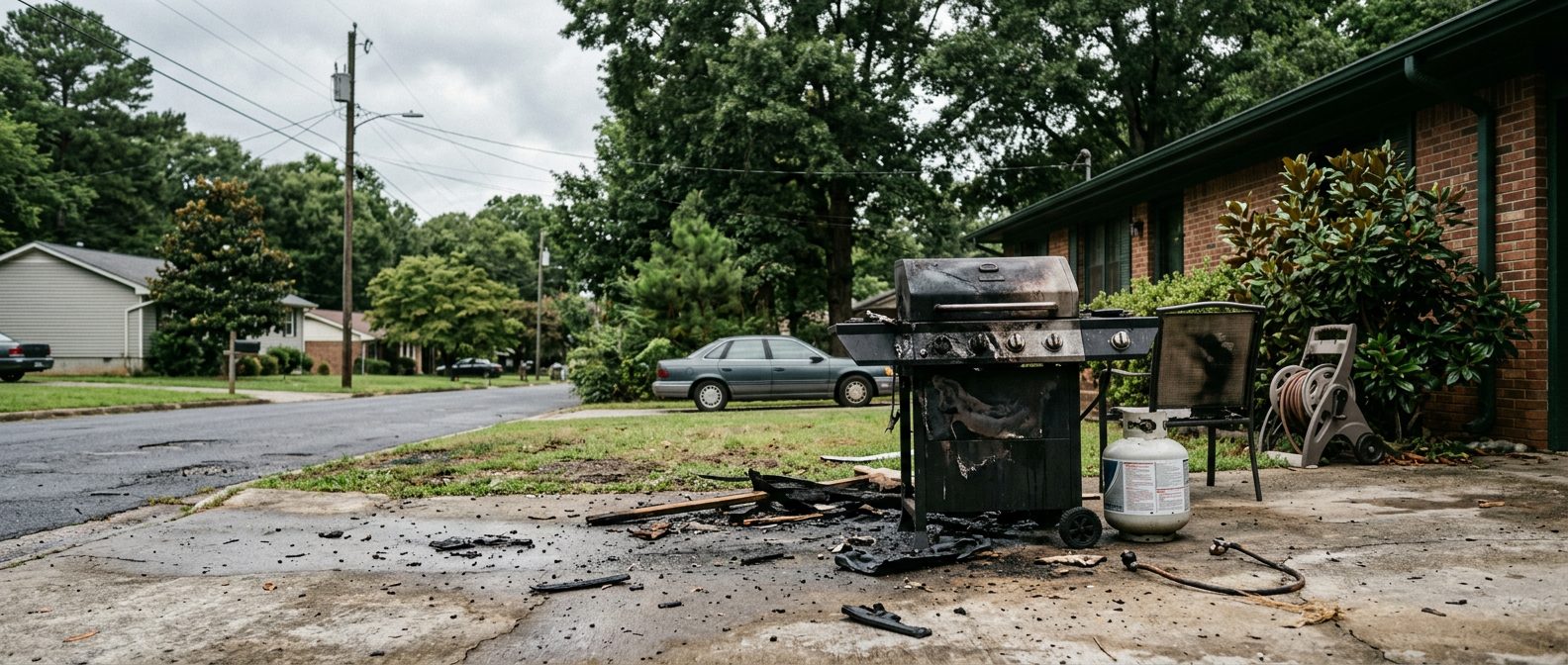
Defective products · Georgia
Severe Burns From a Defective Product? Get Answers From a Georgia Firm That Has Practiced Since 1999
Lithium-ion battery fires and other defective products can leave lasting harm and heavy bills. Tell us what happened and we will walk you through your options.
The firm at a glance
1999
Year the firm began practicing law
5
Offices in Georgia: Jonesboro, Atlanta, Decatur, Macon and Augusta
24/7
Phone line available any time
By Terance Madden · Published November 15, 2026
If a defective product burned you or someone you love, the first weeks are a blur of doctors, bills and phone calls. You need to know whether the law can help, and what to protect now.
Looking for defective product lawyers in Georgia? The short answer: a serious burn caused by a product that failed or was built badly can support a product liability claim.
What a Severe Burn From a Defective Product Means Under Georgia Law
Georgia law asks one main question: was the product unsafe when it was sold, and did that condition cause the burn?
Georgia law lets an injured person sue the maker even without a direct contract with the buyer. Under O.C.G.A. § 51-1-11, the maker of personal property sold as new is liable to a natural person who uses, consumes, or is reasonably affected by it when the product, as sold by the manufacturer, was not merchantable and reasonably suited to its intended use, and that condition caused the injury, but no suit under this rule may be started more than ten years after the product’s first sale for use or consumption.
A catastrophic injury is serious, lasting harm. Deep burns, skin grafts, scarring, loss of use of a limb and a permanent change to daily life all fit that description.
Products in these cases include lithium-ion batteries (the power cells in many phones, scooters and e-bikes), chargers, space heaters, appliances and off-brand goods.
If you’re the one making calls, booking appointments and sorting bills, you’re part of this claim. The firm works with the family member who manages the recovery.
T. Madden & Associates, P.C. has been in practice since 1999, led by attorney Terance Madden. The firm has offices in Jonesboro, Atlanta, Decatur, Macon and Augusta.
If a defective product burned you or someone you love, you may have a claim, and the firm is ready to talk through your options with you. Talk it through with our team — the first consultation is free, confidential, and carries no obligation.
Who Can Be Held Responsible for a Defective Product Burn?
More than one company can share responsibility for a burn. The maker, the brand owner, the seller and the maker of a defective part can each be part of the claim, depending on the facts.
Georgia treats a seller differently from a manufacturer. Under O.C.G.A. § 51-1-11.1, a product seller is not liable as a manufacturer for a strict liability claim.
Sellers still matter. In Alltrade, Inc. v. McDonald, the Court of Appeals held that a company that only puts its own name on a product, with no input into making it, is a product seller.
Most defective products fail in one of three ways. One unit may be built wrong, which is a manufacturing defect. The design may be unsafe, which is a design defect. The warning may be missing or weak, which is a failure to warn.
Timing matters too. Georgia sets a statute of repose that generally bars product claims filed more than ten years after the product was first sold, with exceptions set out in O.C.G.A. § 51-1-11(b)(2) and (c). In Chrysler Corp. v. Batten, the Georgia Supreme Court wrote that “the exclusion places failure-to-warn causes of action outside the ambit of the statute of repose.”
Georgia generally gives two years to file a personal injury suit, under O.C.G.A. § 9-3-33. That clock starts when the right to sue arises. Don’t let it run while you gather facts.
Expect the other side to argue the product was used wrong. How it was really used becomes part of the evidence.
What a Catastrophic Burn Claim Can Include
A burn claim can seek more than the first hospital bill. It can cover the costs and losses that follow the injury over time.
- Medical costs, past and future. Georgia limits these to the reasonable value of medically necessary care, under O.C.G.A. § 51-12-1.1.
- Necessary expenses. Costs such as travel to appointments are a legitimate part of the damages estimate, under O.C.G.A. § 51-12-7.
- Lost income and lost earning ability. Time off work and changes to the work you can do both count.
- Rehabilitation, equipment and home care.
- Pain, scarring and lost enjoyment of life. Georgia law presumes these general damages flow from the injury. They can be recovered without proof of an exact amount, under O.C.G.A. § 51-12-2. Out-of-pocket bills must be proved.
- Future losses. A jury may reduce future money losses to present value, meaning today’s dollars, using a 5 percent rate or another rate it finds right, under O.C.G.A. § 51-12-13.
Some providers treat patients under a letter of protection, a promise of payment from a future settlement. The other side can ask for that letter and the itemized charges under the same statute.
If a death results from a crime or negligence, the personal representative (the person who manages the estate) can recover funeral, medical and other necessary expenses. See O.C.G.A. § 51-4-5.
How the Firm Builds the Evidence in a Burn Case
The product is the most important evidence, so keep it exactly as it is.
Save the device, its charger and cords, the packaging, manuals, receipts, order emails and photos. Don’t repair, reuse or throw away anything. Tell the firm where each item is.
Terance Madden trained as an electrical engineer before law school. In a battery or charger case, he looks at the cells, the charging circuit and any certification marks, then asks how the failure began.
An origin-and-cause investigation traces where a fire started. Outside engineers can test the product and read that report, and the physical evidence must stay intact for them.
Medical records matter just as much. Burn severity, grafting, treatment, scarring and future care should be recorded from the first visit. Keep every discharge paper and bill.
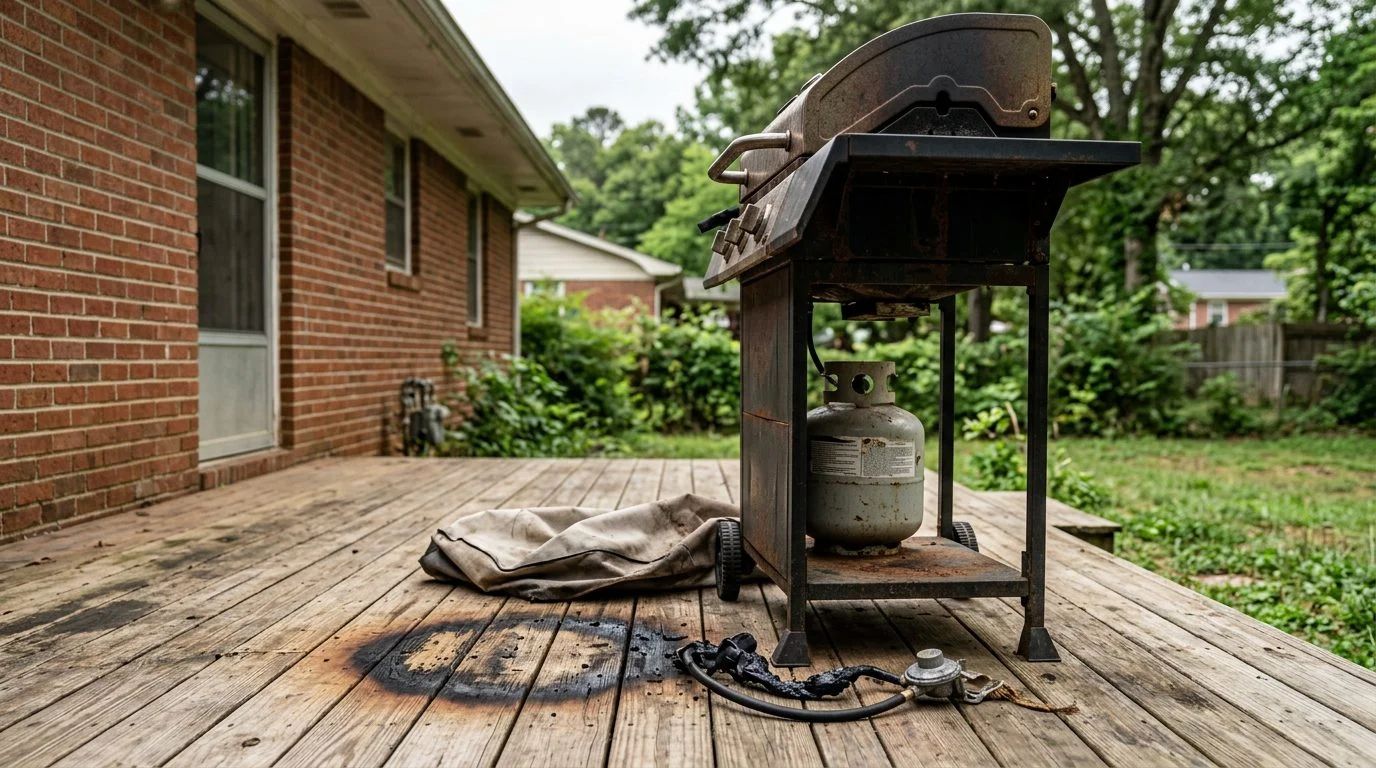
What to Expect: The Steps and Timeline
A burn claim moves through six steps, starting with a free consultation.
- Free consultation. You share the facts, the product and the medical picture. The first consultation is free, confidential, and carries no obligation to continue.
- Evidence preservation. The firm sends letters asking that the product, the scene and the records be kept.
- Investigation. The firm reviews the medical records, the fire report and the product, with engineering input.
- Demand and negotiation. The firm presents the claim to the responsible companies and their insurers.
- Filing and discovery, if talks stall. The case goes to court, where both sides exchange documents and testimony.
- Mediation or trial. Some claims are resolved in mediation (a settlement talk with a neutral helper), and others go to trial. The firm prepares every case as if it will be tried.
The firm works on a no-fee-unless-we-win basis, but you may still be responsible for court costs and case expenses.
How Big Insurance Pushes Back on Burn Claims, and How to Respond
Big Insurance is not on the injured person’s side, and its first offer is rarely what a burn claim is worth.
Expect a quick, low offer made before the full medical picture is known. Expect an early request for a recorded statement, delays in paying, and disputes over whether treatment was needed. Expect the arguments that the burn was minor or that the product was misused.
Don’t give a recorded statement or sign a release until you’ve talked with a lawyer.
The firm pursues every coverage layer that may apply. That can include the maker’s liability policy, corporate coverage, umbrella and excess coverage, and UM/UIM coverage where a vehicle was involved. Component makers and sellers can be other liable parties, which can mean more insurance.
Fault is also a fight. Under O.C.G.A. § 51-12-33, damages are reduced by the injured person’s percentage of fault, and a person 50 percent or more responsible recovers no damages. That is why how the product was used gets close attention.
A burn claim is valued over the long course of the injury, not just the first bill. The firm builds it that way from the start.
Not sure what your next step is?
Talk it through with our team — the first consultation is free, confidential, and carries no obligation.
Questions Families Ask After a Severe Burn From a Product
Most families ask about time limits, bills and off-brand products first.
Can I still have a claim if the product was used wrong?
Misuse arguments are common. How the product was used becomes part of the evidence.
Who pays the hospital bills while the claim is pending?
Health insurance may cover care. Georgia’s rules on medical bill evidence are in O.C.G.A. § 51-12-1.1.
Do I need a lawyer for a defective product burn claim?
Big Insurance often has adjusters on the file early. A lawyer can handle those calls so you can focus on recovery.
Finding the maker is part of the early work.
If a battery, charger or heater burned someone you love, start your free case evaluation now, and bring the family member who handles the paperwork.