

Distracted Driver Car Accidents | Clayton County, GA
Hurt by a Distracted Driver in Clayton County?
T. Madden & Associates, P.C. has represented people hurt in Georgia crashes since 1999. Tell us what happened and our team will review your case with you.
Why Clients Contact Our Firm
1999
Year the firm began practice
5
Georgia offices, including Jonesboro
24/7
Phone line for urgent calls
By Terance Madden · Published November 3, 2026
If a driver was texting, reaching for a phone, or looking at a screen when they hit you, you may have a claim for your losses. Georgia treats that kind of inattention as negligence. If you need a distracted driver car accident lawyer Clayton County residents can reach, this page explains how these cases work. It covers what proves distraction, what a claim can cover, and how the process runs. T. Madden & Associates, P.C. has been in practice since 1999 and has an office in Jonesboro.
What a Distracted Driver Car Accident Case Involves
A distracted driver case asks whether the other driver failed to pay proper attention and whether that failure caused your injuries.
O.C.G.A. § 51-1-2 provides that, in general, ordinary diligence is “that degree of care which is exercised by ordinarily prudent persons under the same or similar circumstances,” and that “the absence of such diligence is termed ordinary negligence.” A driver who looks away from the road may not be using that care. That is the core of a distraction claim.
Georgia also allows recovery when someone breaks a legal duty that causes you harm (O.C.G.A. § 51-1-6). Most cases come down to a few key facts. What was the other driver doing? When were they doing it? How did that lapse lead to the impact?
This page is for drivers, passengers, cyclists, and pedestrians hurt in Clayton County crashes. It also helps families who lost a loved one in a crash. A civil injury claim is separate from any traffic ticket or criminal charge. Write down what you remember about the crash while it is fresh.
If a driver was looking at a screen when they hit you, you may have a claim worth reviewing, and our team can talk it through with you. Talk it through with our team — the first consultation is free, confidential, and carries no obligation.
Common Distractions and the Georgia Laws That Apply
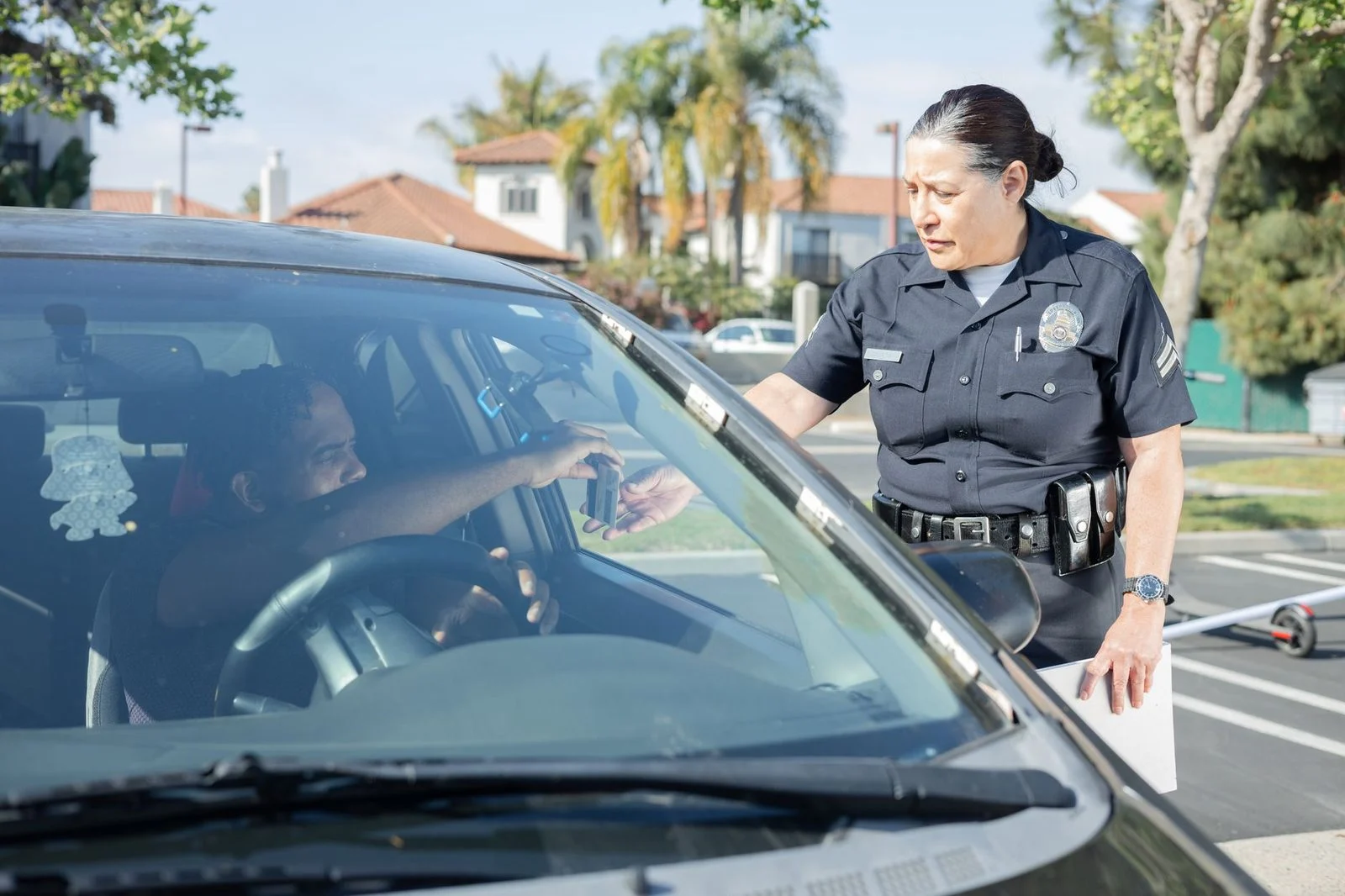
Common distractions include texting, handheld calls, GPS and video screens, eating, adjusting controls, reaching for objects, and turning to talk with passengers.
The Georgia Department of Driver Services traffic laws guide explains the state’s distracted driving and hands-free device rules. Those rules show what safe driving looks like on Georgia roads.
Distraction is not only about hands. It can be visual, manual, or mental. A driver can look at the road and still fail to pay attention because their mind is on a message. Under the negligence standard above, that lapse can still matter.
Distraction is often hard to see from the outside. That is why evidence matters so much. Many injured people also make early mistakes, such as posting about the crash online or giving a recorded statement before they understand their claim.
What Evidence Helps Prove Distraction
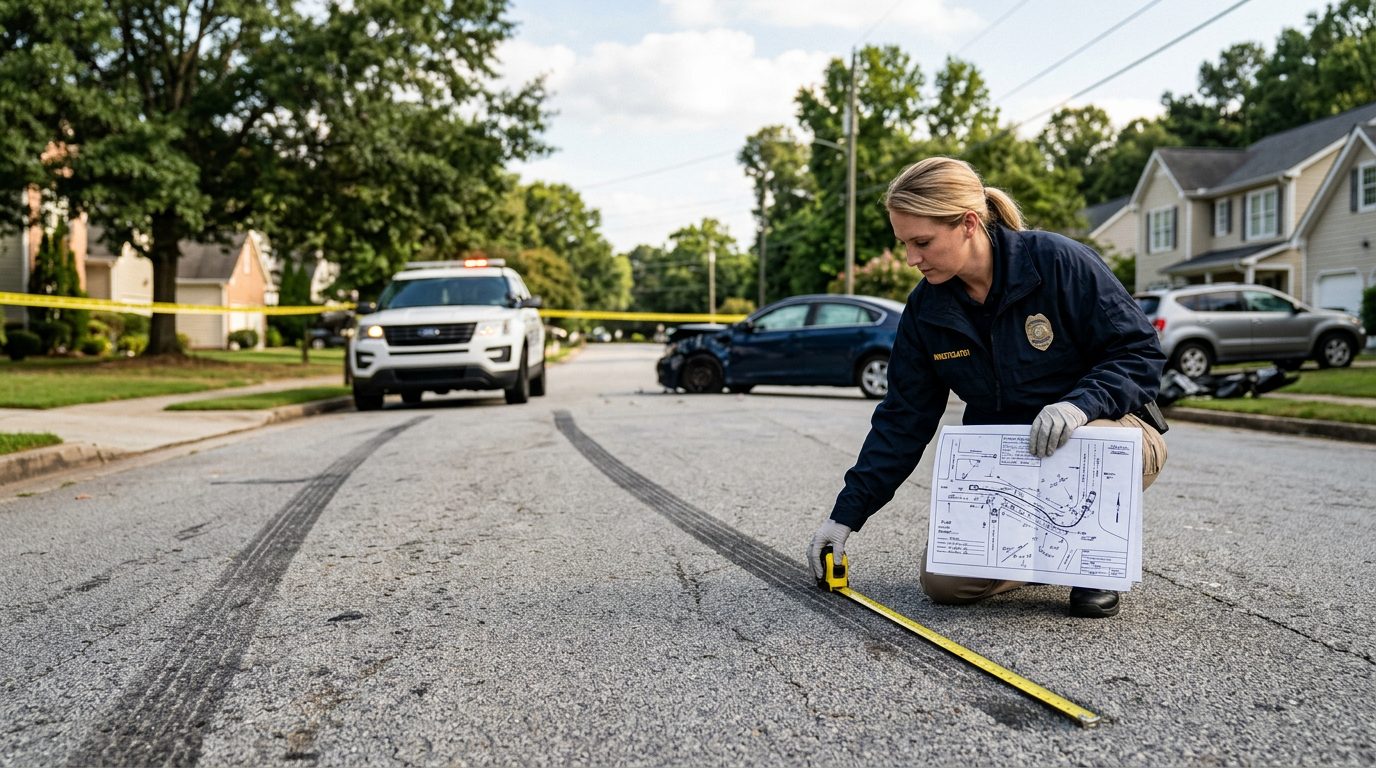
The strongest proof usually combines the crash report, phone records, witness accounts, scene and vehicle data, and medical records.
- Crash report. The official police report records the scene, statements, and any citations.
- Phone records. Carrier records may show calls, texts, or app activity near the time of the crash.
- Witness accounts. Statements from drivers, passengers, or bystanders can describe what the other driver was doing.
- Photos and video. Scene photos, dash cam footage, and business or traffic camera video can be critical.
- Vehicle data. Some vehicles record speed and braking before a crash.
- Medical records. Records tie your injuries to the forces of the collision.
Footage and data can be overwritten or lost. Acting early helps preserve what exists. Once a case is opened, our team can move quickly to request records and send preservation requests.
What a Distracted Driver Claim Can Cover
A claim can seek medical bills, lost wages, property damage, and other losses that flow from the crash.
Georgia separates general damages, which the law presumes flow from a wrongful act and need no proof of amount, from special damages, which must be proved (O.C.G.A. § 51-12-2). Necessary expenses from an injury are a legitimate part of the estimate of damages (O.C.G.A. § 51-12-7). Medical expenses are limited to the reasonable value of medically necessary care (O.C.G.A. § 51-12-1.1). Future losses may be reduced to present value, using a 5 percent discount rate or another rate the jury finds appropriate (O.C.G.A. § 51-12-13).
Fault matters too. If you are 50 percent or more responsible for your injury, you cannot recover any damages (O.C.G.A. § 51-12-33). For example, if a jury found you 20 percent at fault, your award would be reduced by 20 percent.
How the Process Works, Step by Step
The process starts with a free consultation, then moves through investigation, talks with the insurer, and a lawsuit if needed.
- Free first consultation. You describe the crash, your injuries, and what you know about the other driver. Our first consultation is free, confidential, and carries no obligation to continue.
- Investigation. The firm reviews the crash report, requests phone records and video where available, and gathers medical records and bills.
- Demand and negotiation. The firm presents your losses to the at-fault driver’s insurer and works toward a settlement.
- Lawsuit if needed. If the insurer will not offer a fair resolution, the claim may be filed in court. How long that takes depends on the court and the case.
The firm handles these claims on a no fee unless we win basis, but you may still be responsible for court costs and case expenses.
Timing matters. Georgia generally requires an action for injuries to the person to be brought within two years after the right of action accrues, except as otherwise provided in this article; injuries to reputation must be brought within one year and loss of consortium actions within four years (O.C.G.A. § 9-3-33). Waiting can close off options, so start early.
Why Clients Work With T. Madden & Associates, P.C.
T. Madden & Associates, P.C. is a Georgia personal injury firm led by attorney Terance Madden, in practice since 1999.
- Our lawyers. The firm’s lawyers include Terance Madden and Shenia Madden. Our lawyers handle car, truck, motorcycle, and e-bike accident claims, among other injury matters.
- Offices. The firm has offices in Jonesboro in Clayton County, and in Atlanta, Decatur, Macon, and Augusta.
- Our team. Assistants and office staff handle records requests, insurer contact, and scheduling.
- Practice areas. The firm also takes slip and fall, medical malpractice, nursing home abuse, negligent security, and wrongful death cases.
- Phone access. The firm’s phone line is available 24/7, including after a crash at night or during a hospital stay.
Not sure what your next step is?
Talk it through with our team — the first consultation is free, confidential, and carries no obligation.
Common Questions About Distracted Driver Crashes
Do I need a lawyer if the other driver admitted to texting?
An admission helps. Insurers can still dispute fault, the value of your losses, and whether the crash caused your injuries.
Can I recover anything if I was partly at fault?
Georgia reduces damages by your share of fault. At 50 percent or more, you cannot recover (O.C.G.A. § 51-12-33).
What is the deadline to file?
Georgia generally requires an action for injuries to the person to be brought within two years after the right of action accrues, except as otherwise provided in this article (O.C.G.A. § 9-3-33).
Will my case go to trial?
Some claims settle, and some go to court. Our team prepares each case as though it could be filed.
Do I pay anything to talk with you?
No. The first consultation is free and confidential, with no obligation to continue.
Talk to a Clayton County Lawyer About Your Crash Today
If a driver was looking at a screen when they hit you, and you’re now facing medical bills and missed work, you may have a claim worth reviewing. Reach out through our contact page to start your free case evaluation, and our phone line is available 24/7.
Terance Madden is the responsible lawyer for this page at T. Madden & Associates, P.C. Contact the firm through the contact page. This is general information, not legal advice.
How Our Firm Can Help
Confidential Free Consultation
Your first consultation is free, confidential, and comes with no obligation to continue.
Review of the Crash Facts
We look at the crash report, phone records where available, and the other driver's account to understand how the distraction happened.
Insurance Company Communication
Our team handles calls and paperwork from insurers so you can focus on recovering.
Clear Fee Terms
Fees are contingent: no fees unless there is a recovery. You may still be responsible for court costs and case expenses, and we explain these before you decide.
Protect Your Claim After a Crash
Do not give a recorded statement to an insurance adjuster before speaking with a lawyer, and avoid posting about the crash on social media. Keep your medical records, photos, and repair estimates.
Common Forms of Driver Distraction
Texting and Phone Use
Reading, typing, or scrolling on a phone takes a driver's eyes and attention off the road, even for a few seconds.
Eating and Drinking
Handling food, drinks, or containers pulls hands and focus away from steering and traffic.
In-Vehicle Screens and Navigation
Touchscreens, GPS programming, and video displays can draw attention long enough to cause a crash.
Passengers and Grooming
Conversations, reaching for items, and personal grooming can leave a driver unable to react in time.