

Truck Accident Lawyer · Clayton County
Hurt in a Garbage Truck Crash in Clayton County?
T. Madden & Associates, P.C. has represented people injured in Georgia crashes since 1999. Your first consultation is free, confidential and comes with no obligation. Call us 24/7.
About T. Madden & Associates, P.C.
1999
Representing injured Georgians since
5
Offices in Jonesboro, Atlanta, Decatur, Macon and Augusta
Free
Confidential first consultation, no obligation
By Terance Madden · Published October 19, 2026
Garbage and Refuse Truck Accident Claims in Clayton County
A garbage truck accident claim asks who caused your injury or a loved one’s death, and who should pay for the harm. T. Madden & Associates, P.C. represents people hurt in refuse truck crashes in Clayton County and Jonesboro. The firm has been in practice since 1999.
A refuse truck is a large collection vehicle. Rear-loader, side-loader and front-loader models all stop often and back up often. Many of these crashes happen on residential streets and at pickup points, where people are close to a big truck.
This page covers who can be responsible, why these crashes happen, what compensation may cover, the deadlines, and how a claim moves forward. It is written for drivers, passengers, cyclists, pedestrians and families of people who were killed.
If a refuse truck left you hurt or took someone you love, you may have a claim, and our team can talk it through with you in a free, confidential consultation. Talk it through with our team — the first consultation is free, confidential, and carries no obligation.
Who May Be Liable After a Refuse Truck Crash
More than one party may be responsible after a refuse truck crash. Which party is responsible depends on the facts.
- The driver. Georgia law says every driver must use due care to avoid hitting a pedestrian and must sound the horn when needed (O.C.G.A. § 40-6-93). A driver who speeds, rolls through a stop or backs up without checking can be at fault.
- The company that employs the driver. A hauling or waste company may also face a claim for a driver’s negligence on the job.
- A city or a private contractor. A claim against a city starts with a written claim to the city’s governing authority. Under O.C.G.A. § 36-33-5, a claim for money damages against a municipal corporation must be presented in writing to the governing authority within six months of the event, stating the time, place, and extent of the injury, and the description of the extent of the injury must include the specific amount of monetary damages being sought.
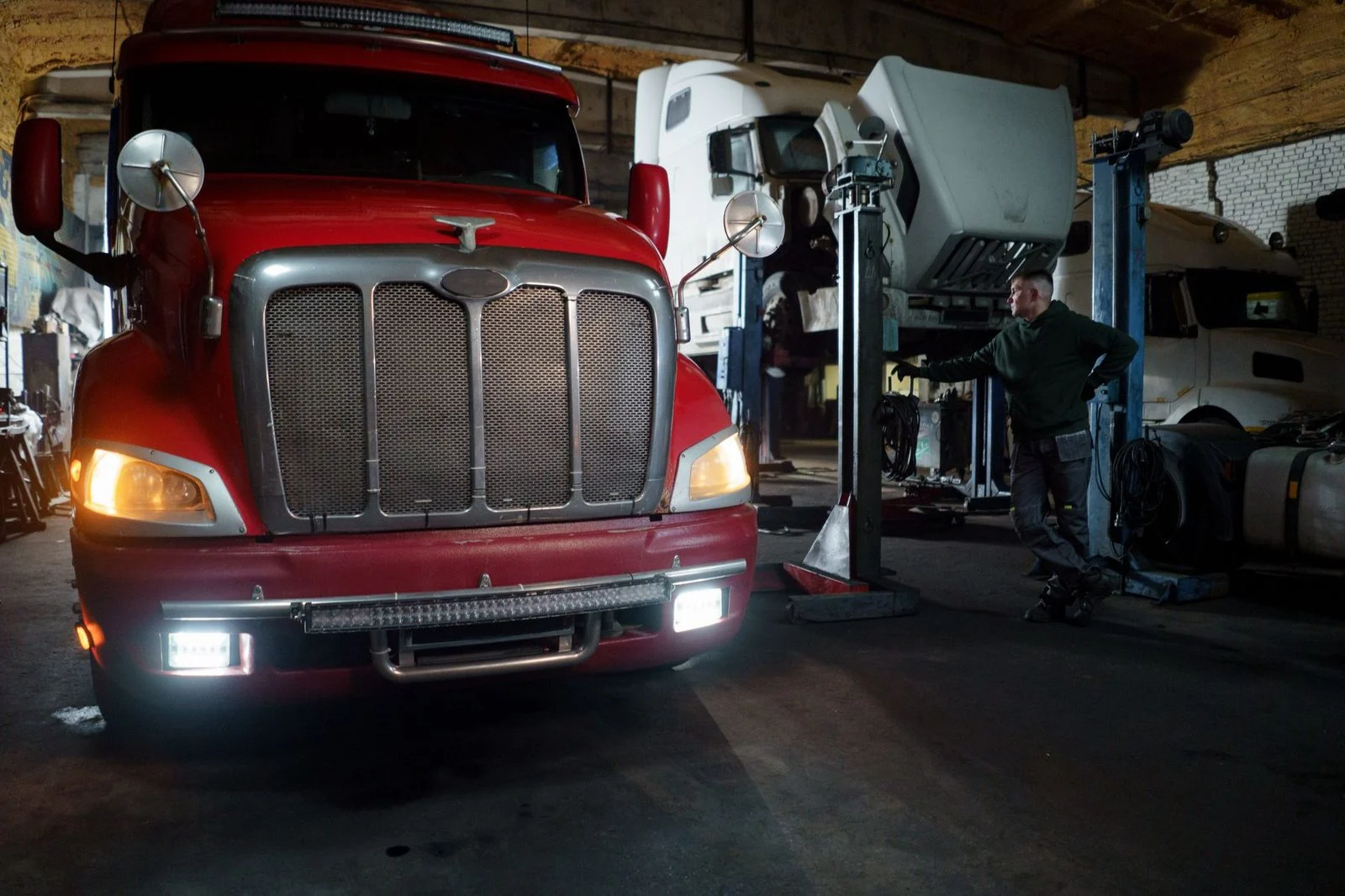
- A repair shop or equipment maker. Brake, steering, lift-arm, mirror or backup alarm problems can point to maintenance or manufacturing failures.
Georgia also uses comparative fault (shared fault). Damages are reduced by the injured person’s share of fault. A person who is 50 percent or more responsible recovers no damages (O.C.G.A. § 51-12-33). Each at-fault party pays only its own percentage, not a shared amount. That is why the crash facts matter from the first day.
Why Garbage and Refuse Truck Crashes Happen
Refuse truck crashes often come from a few repeat patterns: blind spots, backing, rushed routes, fatigue, poor maintenance and loose loads.
- Blind spots. Large side and rear blind zones can hide a cyclist or driver from the cab. Under federal regulations, every bus, truck, and truck tractor shall be equipped with two rear-vision mirrors, one at each side, firmly attached to the outside of the motor vehicle, and so located as to reflect to the driver a view of the highway to the rear, along both sides of the vehicle, subject to the exceptions listed in the federal rear-vision mirror regulation.
- Backing near people. Rear-loader and front-loader routes put pedestrians, children and parked-car occupants close to the truck.
- Deadline pressure. Tight pickup schedules can push a driver to rush stops or skip checks.
- Fatigue. Early starts and long shifts add up. No driver shall operate a commercial motor vehicle, and a motor carrier shall not require or permit a driver to operate a commercial motor vehicle, while the driver’s ability or alertness is so impaired, or so likely to become impaired, through fatigue, illness, or any other cause, as to make it unsafe for him/her to begin or continue to operate the commercial motor vehicle, except in a case of grave emergency where the hazard to occupants of the commercial motor vehicle or other users of the highway would be increased by compliance with this section, in which case the driver may continue to operate the commercial motor vehicle to the nearest place at which that hazard is removed (federal rule on ill or fatigued operators).
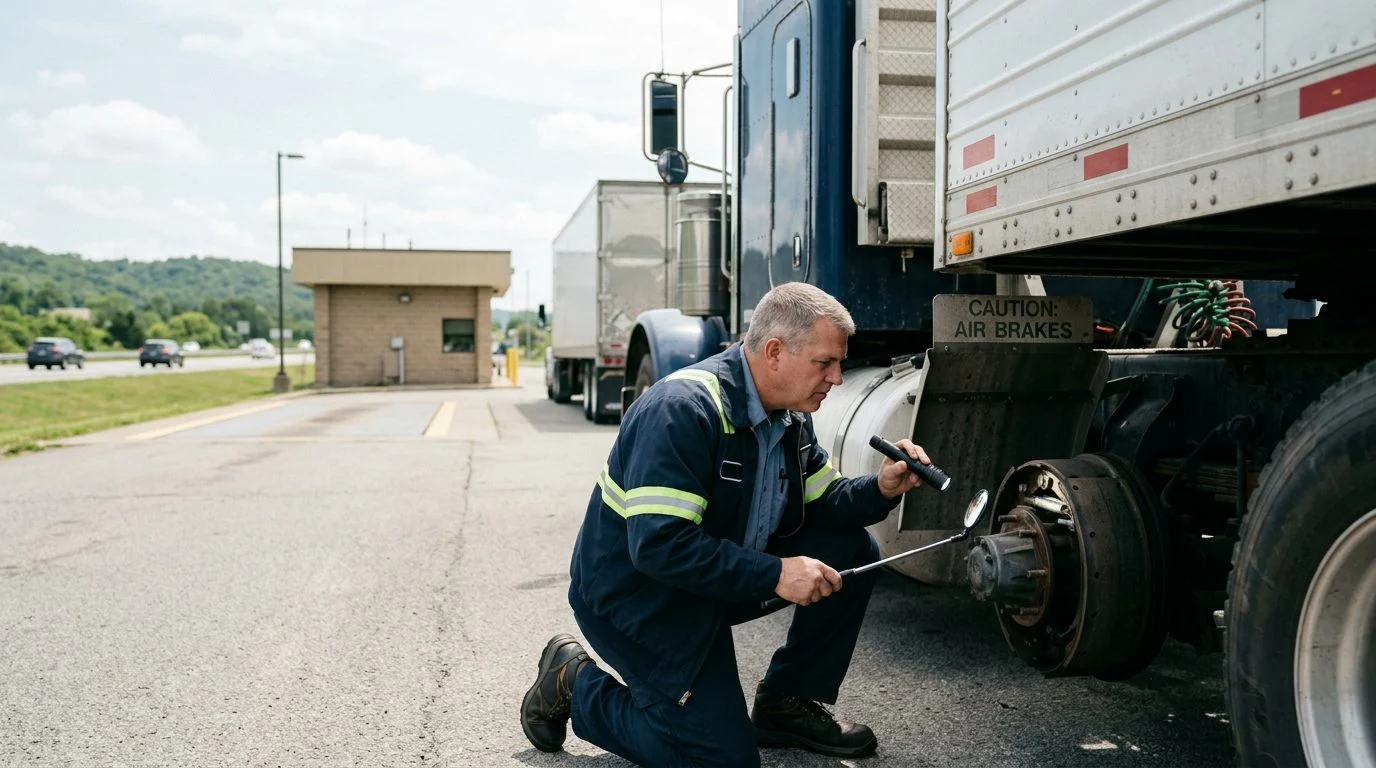
- Maintenance gaps. Every motor carrier and intermodal equipment provider must systematically inspect, repair, and maintain, or cause to be systematically inspected, repaired, and maintained, all motor vehicles and intermodal equipment subject to its control, and parts and accessories shall be in safe and proper operating condition at all times (federal inspection, repair, and maintenance regulation).
- Unsecured loads. Debris that falls from a truck can strike vehicles on the road.
What Compensation May Cover and the Deadlines That Apply
A claim may seek money for medical bills, lost income and other losses from the crash. Most Georgia injury lawsuits must be filed within two years.
- Medical costs. Georgia limits medical and healthcare damages to the reasonable value of medically necessary care (O.C.G.A. § 51-12-1.1).
- Lost income and property. Lost wages, reduced ability to earn and vehicle damage can be part of a claim.
- Pain and suffering. Physical pain, emotional distress and loss of enjoyment of life are part of many injury claims.
- Wrongful death. A surviving spouse, or children if there is no spouse, may recover the full value of the decedent’s life, as shown by the evidence (O.C.G.A. § 51-4-2). The personal representative of the deceased person may also recover funeral, medical and other necessary expenses when death results from a crime or from criminal or other negligence (O.C.G.A. § 51-4-5).
Georgia generally requires an injury lawsuit to be brought within two years after the right of action accrues (O.C.G.A. § 9-3-33). Except as otherwise provided in this article, the two-year limit applies to injury lawsuits, but a claim against a city follows separate notice rules: written notice presented to the city within six months, as described above. No one can promise an amount. The value of any claim depends on the injuries, the proof and the parties involved.
How Your Claim Works, Step by Step
A claim usually moves from first contact to evidence, investigation, insurer talks and, if needed, a lawsuit.
- Free first consultation. Your claim starts with a free, confidential first meeting. There is no obligation to continue.
- Preserve evidence. Keep photos, scene details, the police report number, medical records and witness names. The inspection, repair, and maintenance records required by the federal maintenance regulation shall be retained where the vehicle is either housed or maintained for a period of 1 year and for 6 months after the motor vehicle leaves the motor carrier’s control. Truck data and video can be overwritten, so act early.
- Investigation. The firm looks at every possible responsible party: the driver, the company, any contractor, any government body and any repair provider.
- Demand and negotiation. Medical and financial proof goes to the insurers, and the claim is negotiated.
- Lawsuit if needed. If a fair resolution is not reached, a suit is filed within the deadline.
Each claim moves at its own pace, based on injuries, treatment and the insurers involved. The team explains the likely stages after the consultation.
T. Madden & Associates, P.C. works on a no-fee-unless-we-win basis. The client may still be responsible for court costs and case expenses.
Why Clients Contact T. Madden & Associates, P.C.
T. Madden & Associates, P.C. is a Georgia personal injury firm led by attorney Terance Madden, in practice since 1999.
- Responsible lawyer. Terance Madden is the attorney responsible for each matter.
- Offices. The firm has offices in Jonesboro (Clayton County), Atlanta, Decatur, Macon and Augusta.
- Support staff. Our team of assistants and office staff helps with intake, records and scheduling.
- Case types. The firm handles car, truck, motorcycle and e-bike crashes, slip and falls, medical malpractice, nursing home abuse, negligent security, wrongful death and catastrophic injury cases.
- Phone access. A phone line is answered 24/7 for people who need to talk right away.
- No promises. Every case is different, and no result can be promised.
Not sure what your next step is?
Talk it through with our team — the first consultation is free, confidential, and carries no obligation.
Common Questions About Garbage Truck Accident Claims
Can you sue if a garbage truck hits your car?
Possibly. A claim may be possible against the driver, the company or a government body, depending on the crash facts.
What should you avoid saying to an insurer?
Think before giving a recorded statement. Stick to the facts you know and keep your records together.
What do personal injury lawyers do?
They look into who is responsible, gather evidence, handle insurer communication and document losses. They file a lawsuit when a fair resolution is not reached.
Does a claim need a police report?
A report number and witness names help. Gather what you can, and the team can advise on the rest.
How long do I have to file?
Most Georgia injury lawsuits must be filed within two years (O.C.G.A. § 9-3-33). Except as otherwise provided in this article, injury lawsuits must be brought within two years after the right of action accrues, except injuries to the reputation (one year) and actions for injuries to the person involving loss of consortium (four years) (O.C.G.A. § 9-3-33).

Talk With a Clayton County Lawyer About Your Refuse Truck Crash
If a refuse truck has left you hurt, damaged your vehicle or taken a family member, you have a decision to make about who to speak with first. If that is your situation in Clayton County or Jonesboro, contact T. Madden & Associates, P.C. through our contact page for a free, confidential consultation. The phone line is answered 24/7.
Responsible attorney: Terance Madden, T. Madden & Associates, P.C. Offices in Jonesboro, Atlanta, Decatur, Macon and Augusta. Contact: https://www.tmaddenlaw.com/contact/
Why Clayton County crash victims contact us
Focused on serious crash claims
We handle car, truck and garbage truck collisions, along with motorcycle and e-bike crashes, slip and falls, and wrongful death matters.
Available 24/7
Call any time to talk through what happened after a collision and what steps to take next.
Fees contingent on recovery
No fees unless there is a recovery. You may still be responsible for court costs and case expenses, and we will explain those before you decide.
A team that keeps you informed
Our team handles calls, records and scheduling so you can focus on your health and recovery.
Be careful with the insurance company
A waste hauler's insurer may contact you quickly. Before giving a recorded statement or signing anything, talk with a lawyer, and keep your medical bills, repair estimates and photos together.
What to do after a garbage truck crash
Get medical care
See a doctor even if your injuries seem minor. Some injuries, such as whiplash and internal injuries, may not show symptoms for hours or days.
Document the scene
Photos of the truck, the vehicles, the road and any signs or markings help preserve important details.
Note the truck details
If you can do so safely, write down the company name, truck number and the driver's name.
Call T. Madden & Associates
Contact us for a free, confidential consultation before you speak with a company's insurer about your claim.