

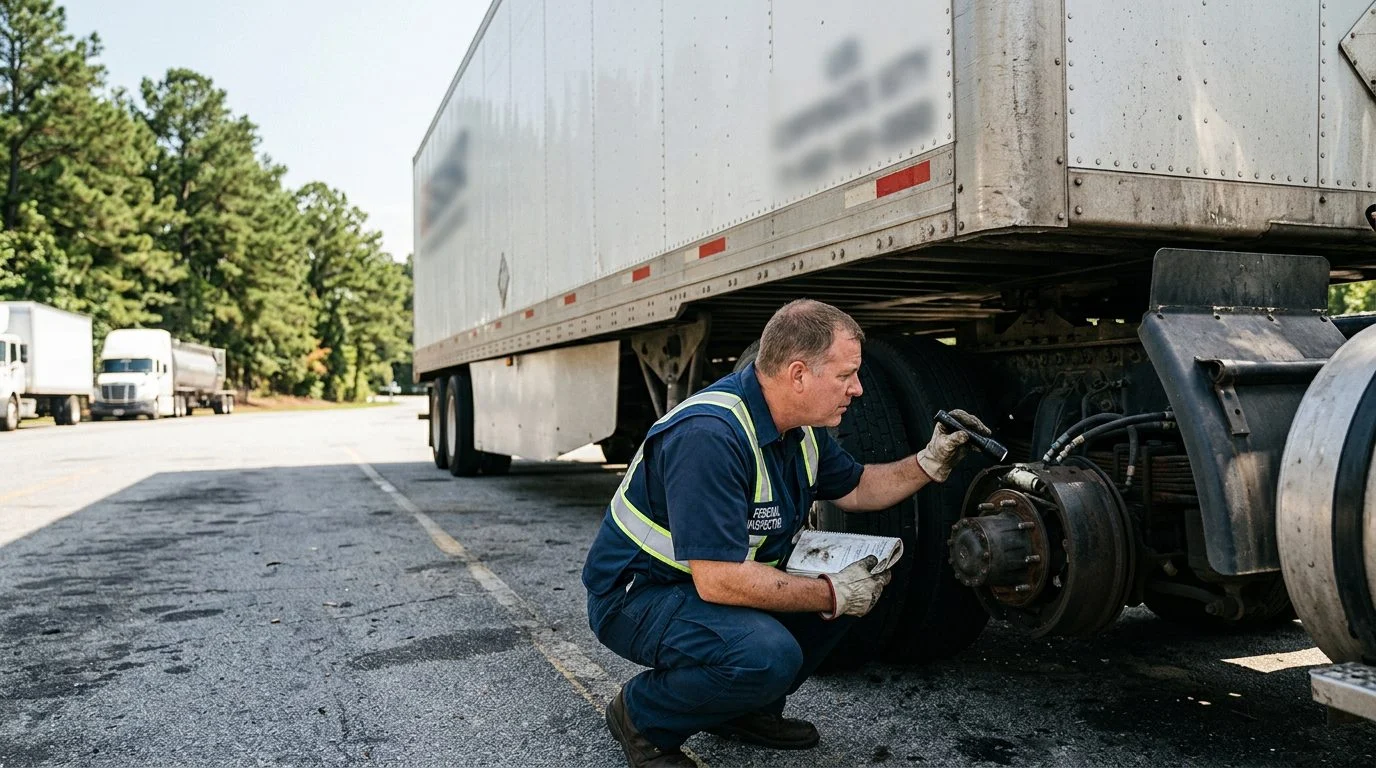
Motorcycle and Truck Crashes in Georgia
Hurt in a motorcycle or truck crash? Know your options before you talk to the insurer.
Trucking companies and insurers have lawyers and investigators on their side from the start. Here is how to level the field, and what a Georgia injury firm can do for you.
T. Madden & Associates, P.C.
1999
Year the firm began practice
5
Georgia offices, including Jonesboro and Atlanta
Free
First consultation, confidential and with no obligation
By Terance Madden · Published November 13, 2026
A motorcycle crash with a semi-truck can change a family’s month in one afternoon. The rider is hurt, and someone at home is now juggling bills, appointments and calls from an adjuster.
Is a lawyer’s help worth it for a motorcycle versus semi-truck case compared with handling the insurance claim alone?
For many motorcycle versus semi-truck crashes, a lawyer’s help is worth weighing. The claim often reaches the truck company, the driver and several insurance policies at once. Whether it is worth it depends on the facts, including the injuries, the treatment still ahead and how many parties and policies are involved.
Handling the claim alone means dealing with an adjuster, sending records and waiting. The adjuster works for the insurance company. A lawyer works for the injured person, reviews the evidence and pursues the full claim.
The first question is liability. Liability is the legal responsibility of the person or company whose negligence (careless or reckless conduct) caused the crash. In a truck case, that list can be longer than one driver.
If a semi-truck crash left you or your loved one hurt, you don't have to sort out the insurance claim alone, and the firm is ready to talk through your next step. Talk it through with our team — the first consultation is free, confidential, and carries no obligation.
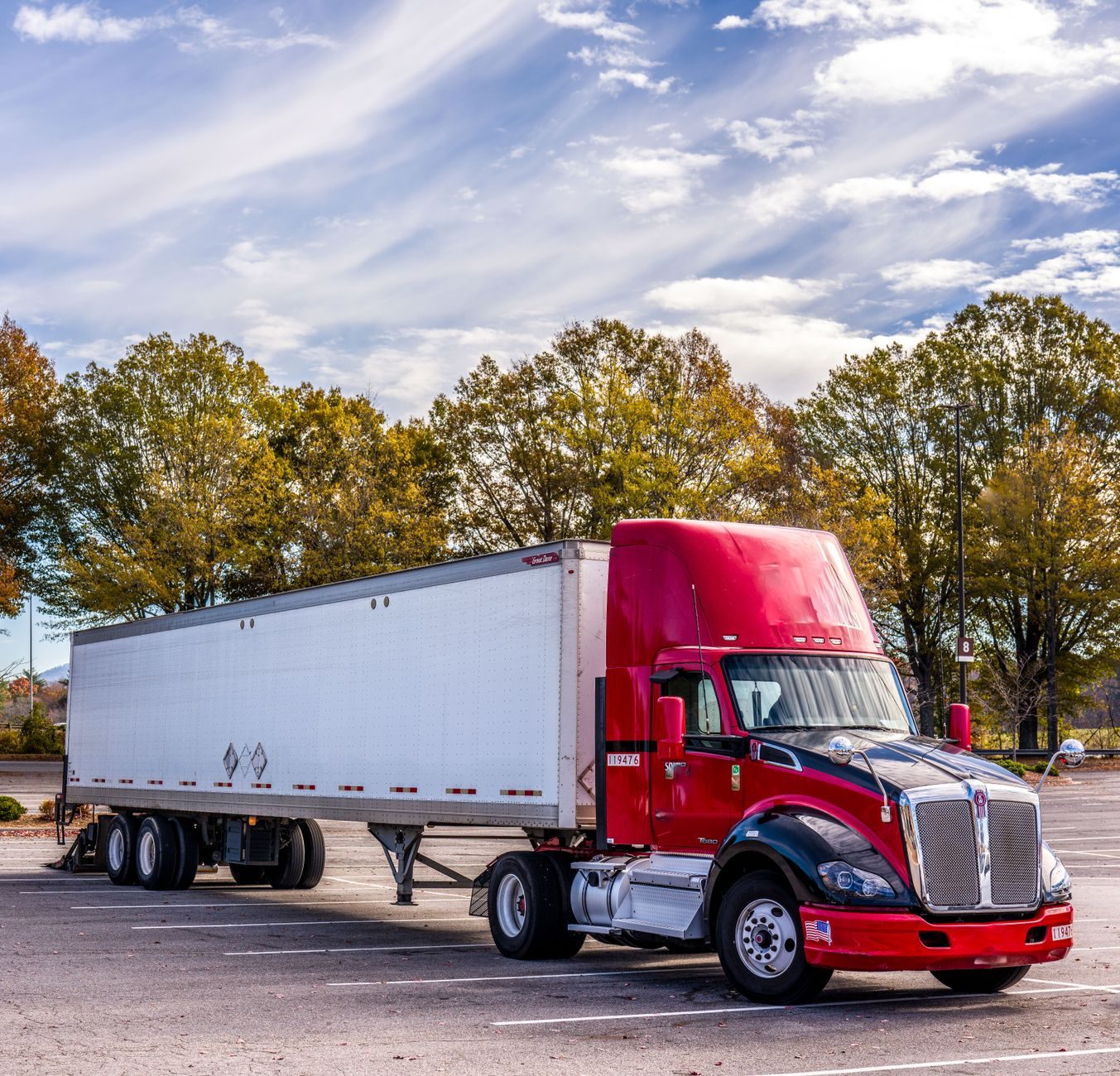
Why a motorcycle crash with a semi-truck is a different claim
A semi-truck crash usually involves more than the driver. The trucking company can face claims for its own decisions.
The firm calls these the Negligent Five: hiring, training, entrustment, retention and supervision. Georgia’s Supreme Court held that an employer can still face claims for its own negligent entrustment, hiring, training and supervision, even when it admits it answers for its driver (Quynn v. Hulsey). Under Georgia law, an employer must use ordinary care not to hire or keep an employee it knew or should have known posed a risk of harm (Munroe v. Universal Health Services). For entrustment, proof that the company should have known is not enough on its own (Western Industries v. Poole).
Trucks also leave records. Federal rules require motor carriers subject to the requirements of this part to record each driver’s duty status, meaning whether the driver was driving, on duty or resting, and those records must be kept at least six months from receipt (federal driver duty-status rules). The truck’s electronic control module (ECM, the onboard computer that stores vehicle data) can add speed and braking information. Ask for these records early, because they don’t wait for the claim.
Insurance is layered too. For for-hire intrastate motor carriers, the commissioner of public safety fixes the amounts of indemnity insurance that must be carried (O.C.G.A. § 40-2-140). O.C.G.A. § 40-2-140 reads: “(2) No for-hire intrastate motor carrier shall be issued a registration unless there is filed with the commissioner a certificate of insurance for such applicant or holder, on forms prescribed by the commissioner, evidencing a policy of indemnity insurance by an insurance company licensed to do business in this state.”
Terance Madden trained as an electrical engineer (B.S. in Electrical Engineering) before law school. He starts a case by asking what the evidence shows, how the crash happened and which records exist and must be kept. In a truck case, that means reading the ECM and logs against the scene, the vehicles and the maintenance history. It also means asking whether a brake, tire, cargo or maintenance vendor played a part, and each of those can mean another source of insurance.
How Big Insurance handles a motorcycle claim when the rider is hurt
Big Insurance is not on the rider’s side. A first offer is rarely what a claim is worth.
Expect a fast, low offer and pressure to settle before the medical picture is clear. The tactics usually show up in a few predictable ways:
- A quick request for a recorded statement, a taped interview that locks in your words early.
- Claim delays that stretch out your bills and lost pay.
- Disputes over whether your treatment was needed.
- A “low impact” argument that says a motorcycle crash could not cause serious injury.
The “low impact” argument is where crash physics matters. Delta-V (the change in speed during the crash) and the forces on the rider’s body can differ from a first guess based on photos. An engineer’s training helps show what the numbers mean for a rider’s body, not just the vehicles.
Your words matter. Georgia’s claim guidance tells people to avoid statements about fault (Auto Claim Tips). Georgia also cuts your damages by your share of fault (comparative fault), and bars recovery if you are 50 percent or more responsible (O.C.G.A. § 51-12-33).
What a lawyer does that a claim handled alone usually does not
A motorcycle truck accident lawyer’s main job here is to pursue every layer of coverage, not just the first policy that comes up.
Coverage can come from the at-fault party’s liability insurance, your own uninsured motorist (UM) coverage (for a driver with no insurance) or underinsured motorist (UIM) coverage (for when the at-fault driver’s limits are too low), any umbrella or excess policy (extra coverage above the main limit), and corporate coverage tied to the trucking company.
Georgia also makes each liable person owe only its own share of fault, not a shared joint amount, under the same comparative fault statute (O.C.G.A. § 51-12-33; Quynn v. Hulsey (2020)).
Damages are the money the law allows for harm. General damages are those the law presumes to flow from any tortious act and can be recovered without proof of any amount (O.C.G.A. § 51-12-2). Special damages, such as bills and lost wages, must be proved (O.C.G.A. § 51-12-2). The firm plans for lifetime costs, including future care and lost earning ability, and builds proof for each one.
Preparing every case as if it may go to trial is how the firm approaches it. Clear updates in plain English keep the family from waiting in the dark.
What the fee arrangement covers and what it does not
The firm offers a free first consultation that is confidential and carries no obligation to continue.
The firm works on a no-fee-unless-we-win basis, but you may still be responsible for court costs and case expenses. Costs can add up if the case goes to court, so ask about them early.
Ask for the fee and cost terms in writing before you sign anything, and make sure you understand each one.
For the family managing the recovery, what to do now
Start a paper trail now, and let one person take the insurance calls.
If you are the spouse, parent or adult daughter running the rider’s care, you are carrying a lot. Keep every medical record, bill, receipt and pay stub. Keep a simple log of symptoms, appointments and missed work.
Write down what happened at the scene, with names and witness contact details. Notify police and the insurer promptly. Don’t give a recorded statement or sign anything before you talk with a lawyer.
Georgia generally gives two years to file a personal injury lawsuit after the right of action accrues, but loss of consortium claims have four years (O.C.G.A. § 9-3-33). Don’t let that clock run while the calls continue.
The firm, based in Jonesboro, has practiced since 1999 and has offices in Atlanta, Decatur, Macon and Augusta.
If a semi-truck left your loved one hurt and the insurance calls have started, you don’t have to sort it out alone. Reach out to the firm and talk through your next step. The team is available 24/7 by phone, or you can start a case evaluation online.
Not sure what your next step is?
Talk it through with our team — the first consultation is free, confidential, and carries no obligation.

Frequently Asked Questions
Do I need a lawyer to deal with the insurance company after a motorcycle crash with a truck?
Insurance companies are not on your side, and Big Insurance adjusters often open with a low offer, which is rarely what your claim is worth. A lawyer can handle the adjuster, check every available insurance layer, and build the claim as if it will go to trial.
Why is a claim against a truck company harder than a claim against a regular driver?
Commercial trucks often carry several layers of coverage, including an umbrella policy (extra coverage above the base policy), so there is more insurance to pursue. Truck data, such as the electronic control module (ECM), can be lost if no one acts quickly to keep it.
Should I give a recorded statement to the other side’s insurance adjuster?
Be careful. A recorded statement is an interview the insurer records, and early questions about speed, visibility, or your injuries can be used to argue the crash was “low impact” and your injuries are minor. Talk to a lawyer before you give one.
How does Terance Madden’s engineering background help with a motorcycle truck crash claim?
Terance Madden trained as an electrical engineer before law school, so he reads technical evidence like truck data, vehicle damage, and crash physics to figure out how the crash happened. That lets the firm test an insurer’s claims about what happened against the physical evidence.