

Truck Accident Lawyer | Georgia
Lost Wages After a Truck Crash? Find Out Where You Stand.
T. Madden & Associates, P.C. has focused on Georgia injury cases since 1999. Our team can help you document how a truck crash affected your paycheck. Your first consultation is free, confidential, and comes with no obligation. There are no fees unless there is a recovery, though court costs and case expenses may still apply.
Serving Georgia Since 1999
1999
Year the practice began
5
Georgia offices: Jonesboro, Atlanta, Decatur, Macon, Augusta
24/7
Phone line available around the clock
By Terance Madden · Published October 20, 2026
Can You Recover Lost Wages After a Truck Crash in Georgia?
Lost wages are one type of damages a person may seek after a truck crash in Georgia. Whether they apply depends on the facts of each case. Lost wages are income you did not earn because of your injuries. They fall under economic damages, which are losses you can measure in dollars.
If you were hurt in a crash with a commercial truck, you may be missing shifts, using up leave, or watching your paycheck shrink. Some readers are the injured worker. Others are a spouse, parent, or adult child helping someone through a hard stretch. The questions are practical. What income counts? What proof do you need? Who pays?
The answer depends on the facts. Your claim turns on your injury, the work you do, and the records you can produce. Results differ from case to case, so no one can promise a particular amount. This page covers each kind of lost income, how to prove it, and how fault affects who answers for it. For the wider picture, read our truck accident guide for Georgia.
If a truck crash has cut into your paychecks and left you unsure what you can claim, you don't have to sort it out alone. Our team is glad to talk through your work situation with you. Talk it through with our team — the first consultation is free, confidential, and carries no obligation.

What Counts as Lost Income in a Georgia Truck Accident Claim
Lost income covers more than your base pay. It includes the work income the injury took from you. Common categories include:
- Base wages or salary. Missed shifts, reduced hours, and unpaid leave all count.
- Overtime, commissions, bonuses, and tips. Your pay history shows what the job regularly produced before the crash.
- Lost benefits. Health coverage contributions, retirement matching, and other pay tied to your job can be part of the claim.
- Paid time off. Sick days and vacation you used for injury absences are part of the record. Write down each day you used.
- Work-related costs. Extra travel or other costs tied directly to missed or reduced work may be included.
The key link is simple. Each category needs to connect back to the injury and the time it kept you from working. Vague claims are hard to prove. Specific dates and pay figures are much easier to support.
Future Lost Earnings and Reduced Earning Capacity
You can claim future losses when an injury lowers what you can earn later, even after you return to work. This is called lost earning capacity, meaning your ability to earn income going forward. It matters most when the injury is long-term.
Permanent restrictions on lifting, standing, or driving can limit the jobs you can do. A move to a lower-paying position, or a loss of promotion prospects, can also be part of the claim. Injuries to the spine, brain, or limbs often raise questions about future work. Medical opinions about restrictions and long-term outlook matter here.
Future losses are not worked out from your current paycheck alone. Vocational and financial information help show the gap between what you earned and what you may earn later. Keep your medical follow-up records, because they show how the injury affects your work over time.
Lost Income for Self-Employed Workers and Business Owners
Self-employed people can claim lost net income, which is what the business would have earned without the injury, minus its normal costs. Lost business opportunities can also count. Cancelled contracts, missed bookings, or clients who went to someone else during recovery may be part of the claim when you can show them.
Owners should be ready to explain their own role. Show whether your personal work produced the income, and whether the business kept running while you recovered. Hired help may have covered some work, and that matters to the math.
Keep invoices, bank deposits, booking calendars, client messages, and prior tax returns. These records show your normal earnings before the crash. They also show what changed afterward.
How to Prove Lost Wages: Documentation Checklist
Start by gathering proof of what you earned before the crash and what you lost after it. Pay stubs and W-2s or 1099s covering at least the year before the crash are a strong start. Add pay records from the weeks before and after the crash. Tax returns from earlier years help, especially for commission workers and business owners.
Ask your employer for a letter that confirms your position, pay rate, schedule, missed dates, and leave used. Doctors’ notes and work restriction forms tie each missed day to the injury. A personal log of symptoms, appointments, and missed days helps most when you write each entry close to the day it happened.
Keep copies of every message with your employer and any insurance company. Before you sign a statement about your wages or injuries, review it with a lawyer first. Under O.C.G.A. § 9-3-33, except as otherwise provided by law, actions for injuries to the person in Georgia must be brought within two years after the right of action accrues. The statute has exceptions, so starting early keeps your records fresh and your options open.
Who Can Be Responsible for Lost Wages After a Truck Crash
Responsibility follows fault. Under O.C.G.A. § 51-12-33, the jury must consider the fault of every person or entity that contributed to the injury. That includes people who were not named in the lawsuit. Each liable party then pays only its own share of the damages, not a joint amount.
Your own fault also matters. If you are 50 percent or more responsible for the injury or damages claimed, you cannot receive any damages under O.C.G.A. § 51-12-33. Under O.C.G.A. § 51-12-33, where the plaintiff is to some degree responsible for the injury or damages claimed, the judge reduces the damages otherwise awarded to the plaintiff in proportion to the plaintiff’s percentage of fault, and the plaintiff is not entitled to receive any damages if the plaintiff is 50 percent or more responsible.
A second rule is separate. Under O.C.G.A. § 51-11-7, if you could have avoided the consequences of the defendant’s negligence through ordinary care, you cannot recover. Readers often mix these two tests up. They work differently, so both should be checked. Other parties, such as a cargo loader, may share fault; see cargo shipper and loader liability. Insurance also shapes the claim. Georgia law limits when a motor carrier’s insurer can be joined in the same lawsuit, under O.C.G.A. § 40-1-112.
Not sure what your next step is?
Talk it through with our team — the first consultation is free, confidential, and carries no obligation.
Driver Testing and Other Evidence That Can Affect Wage Claims
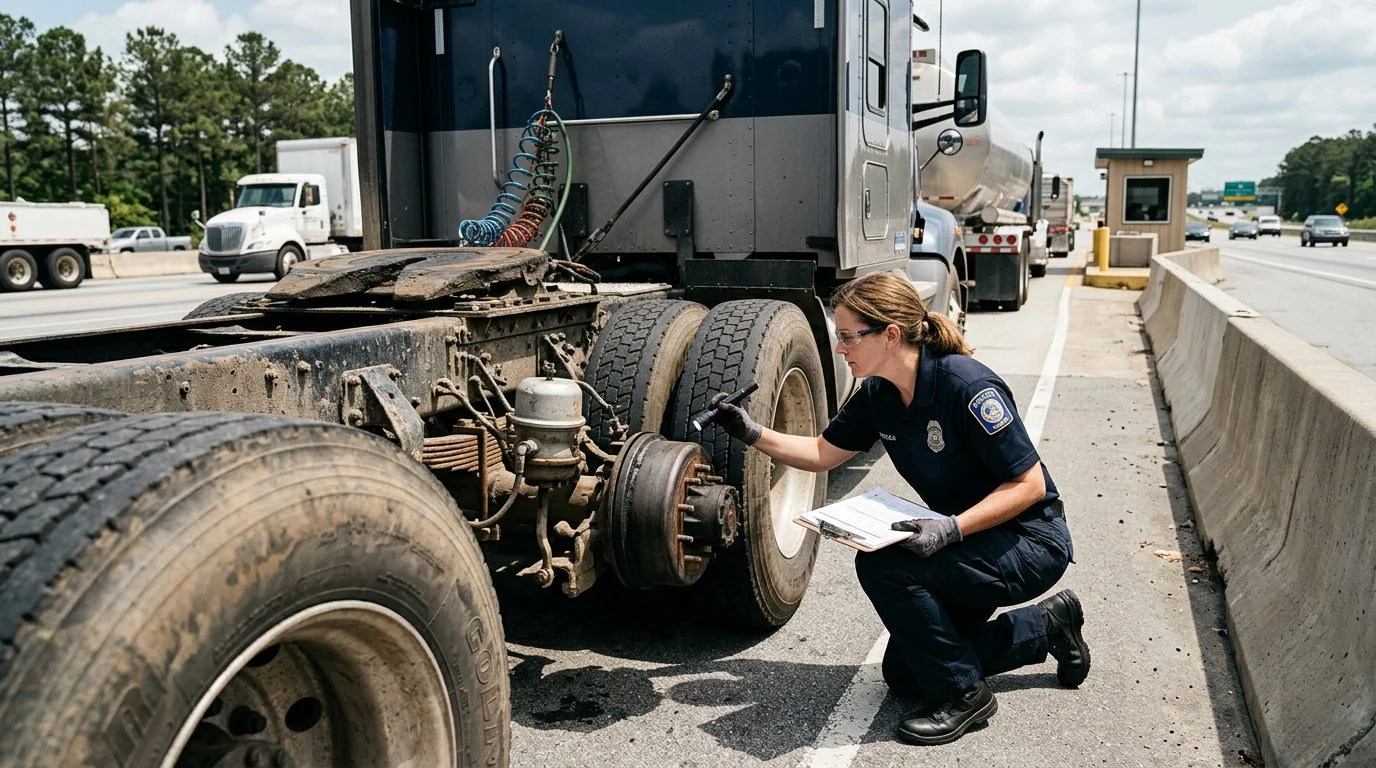
Post-crash testing can help show who was at fault, and that affects who answers for your lost income. Federal rules require employers to test certain drivers after some truck crashes.
The clock matters. A controlled substances test follows a 32-hour window. Under 49 CFR 382.209, a driver required to test may not use alcohol for eight hours after the accident or until the test is done, whichever comes first.
Hours-of-service rules govern driving time and logs. For more on how testing fits into a claim, see truck driver drug and alcohol testing after a crash.
Other evidence also helps. The crash report, witness statements, and photographs connect your injury to the crash. A wage claim is strongest when your medical and work records tell the same story about when the injury began and how it limited your work.
Talking With a Georgia Truck Accident Lawyer About Your Lost Wages
A lawyer can help you sort out which losses fit your claim and which records to gather first. If a truck crash has left you off the job, you may be dealing with missed paychecks, medical appointments, and calls from an insurer all at once. That is a lot to handle while you are hurt.
Common questions
Can I recover lost wages after a truck crash in Georgia?
Generally yes, when the crash caused your injury and the injury kept you from working. Your records need to show that link.
How long do I have to file a claim?
Under O.C.G.A. § 9-3-33, actions for injuries to the person generally must be brought within two years after the right of action accrues. The statute has exceptions, so check your timing early.
What if I was partly at fault for the crash?
Georgia reduces your damages by your percentage of fault (O.C.G.A. § 51-12-33). If you are 50 percent or more responsible, you cannot recover damages.
Does paid time off count?
Keep records of paid time off you used for injury absences. Those records help show the time the crash took from you.
T. Madden & Associates, P.C. has practiced since 1999, with offices in Jonesboro (Clayton County), Atlanta, Decatur, Macon, and Augusta. Terance Madden is the responsible lawyer. Our first consultation is free, confidential, and carries no obligation to continue. The firm handles cases on a no-fee-unless-we-win basis, but you may still be responsible for court costs and case expenses. Our phone line is available 24/7.
If you are weighing your options, reach out through our contact page and talk through your work situation with our team.
Disclaimer: This page is general information, not legal advice. T. Madden & Associates, P.C. is led by attorney Terance Madden. Contact details are at tmaddenlaw.com/contact.
Records That Help Document Lost Wages
Pay Stubs and Tax Returns
Recent pay stubs and prior tax returns show what you earned before the crash and help establish your normal income.
Employer Statements
A letter or attendance record from your employer can confirm missed shifts, reduced hours, and any lost overtime or bonuses.
Medical Records and Work Restrictions
Doctor's notes that describe your injuries and any work restrictions help connect your time off to the crash.
Your Own Log
Keep a simple record of dates missed, shifts you could not work, and how your pay changed. Our team can help you organize it.
Why Talk With T. Madden & Associates
A Free, Confidential Consultation
Discuss your crash and your income loss with Terance Madden at no cost and with no obligation to continue.
Clear Explanations
We explain which records matter, what the process involves, and what questions to expect, in plain language.
Fee Terms Stated Up Front
No fees unless there is a recovery. Court costs and case expenses may still apply, and we will explain them before you decide.
Support Through Recovery
Our team focuses on your health and your household budget while your case is being reviewed.
Keep Your Records Now
Missed paychecks can be hard to prove later. Save pay stubs, schedules, and messages with your supervisor, and ask your doctor to note any work restrictions in writing.
Talk With Terance Madden About Your Truck Crash
Related practice areas
- Truck Blind Spot Crash: Am I at Fault in Georgia?