

Georgia truck crash guide
Hurt in a truck crash? The trucking company's records may not last forever.
Here is how a preservation letter helps protect the evidence that can decide your claim, and how to start.
T. Madden & Associates, P.C.
1999
Year the firm began practicing law
Free
Confidential first consultation with no obligation to continue
24/7
Call us any time
By Terance Madden · Published November 6, 2026
What Is a Preservation of Evidence Letter?
A preservation of evidence letter is a written notice that asks a party to keep records and items connected to a crash. It usually goes to a trucking company, its insurer, or another party that may hold evidence. It tells them a claim may follow and asks them to keep what they have.
The letter is a request to preserve, not a demand for money. Its purpose is to make sure key material still exists while a claim is being built. For the wider claim steps, read our Georgia truck accident lawyer guide.
Sending one early matters. Trucks get repaired, data gets overwritten, and files get cycled out on routine schedules. A letter puts the other side on written notice before those routines run. It is often the first written step in a truck crash claim, before any lawsuit is filed.
If a truck crash has left someone you love hurt and you are unsure what evidence still exists, our team can talk it through with you. Talk it through with our team — the first consultation is free, confidential, and carries no obligation.
What Does Preservation of Evidence Mean?
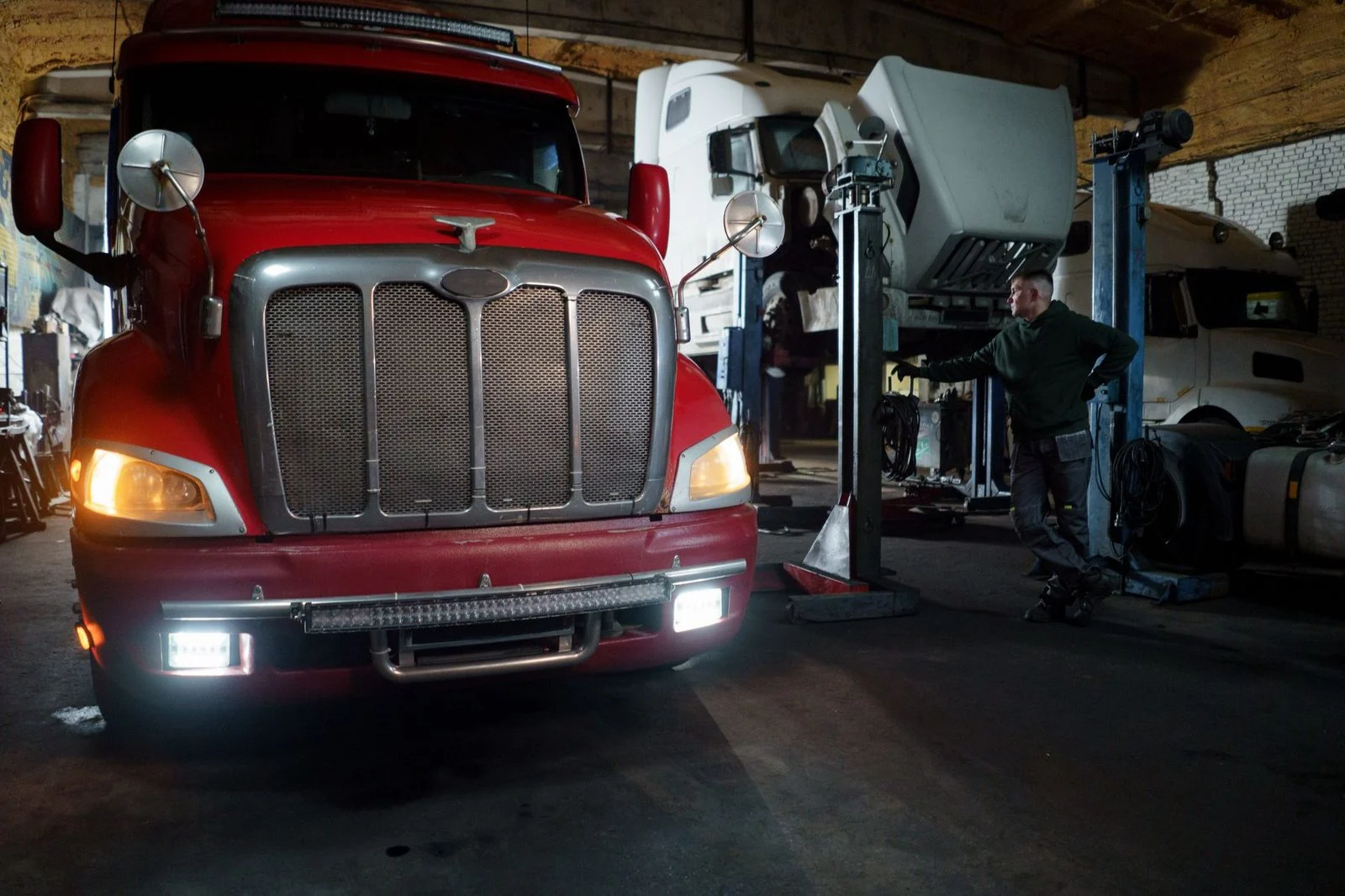
Preservation means keeping evidence in its current form. It means not changing, repairing, discarding, or overwriting it. Spoliation is the term for losing, altering, or destroying evidence that matters to a claim.
Preservation covers more than the truck. It includes paper files and electronic records. Electronic records are especially easy to lose, because systems can overwrite old data automatically.
A litigation hold is the internal instruction a company gives its own staff once it expects a claim. A preservation letter tells them a claim is coming, which helps show what they knew and when.
When Should a Preservation Letter Be Sent?
Send it as early as you can after the crash, because routine company schedules can remove records. Federal rules set minimum keep times for many trucking records. Companies subject to this part must keep records for at least the minimum retention periods in appendix A to this part. After those periods end, the records may be destroyed at the discretion of each company’s management, under 49 C.F.R. § 379.3, but this does not excuse compliance with the lawful requirements of any other governmental body prescribing longer retention periods.
Keep times vary by record. An inspection report must be kept for fourteen months from its date, under 49 C.F.R. § 396.21. An accident register must be kept for three years after each accident, under 49 C.F.R. § 390.15. Those are minimum periods, not fixed storage dates.
Federal rules also set clocks for post-crash alcohol testing. If it is not given within eight hours, the employer must stop trying. See 49 C.F.R. § 382.303 for the details.
Waiting can make it harder to show what existed at the time of the crash. Early notice gives the other side a clear chance to keep what matters. For how timing interacts with insurer deadlines, see insurance settlement timing.
What Evidence Does a Preservation Letter Seek?
It usually asks a company to keep the truck, its trailer, and the electronic and paper records tied to the trip. The list should be specific, because vague requests are easier to overlook.
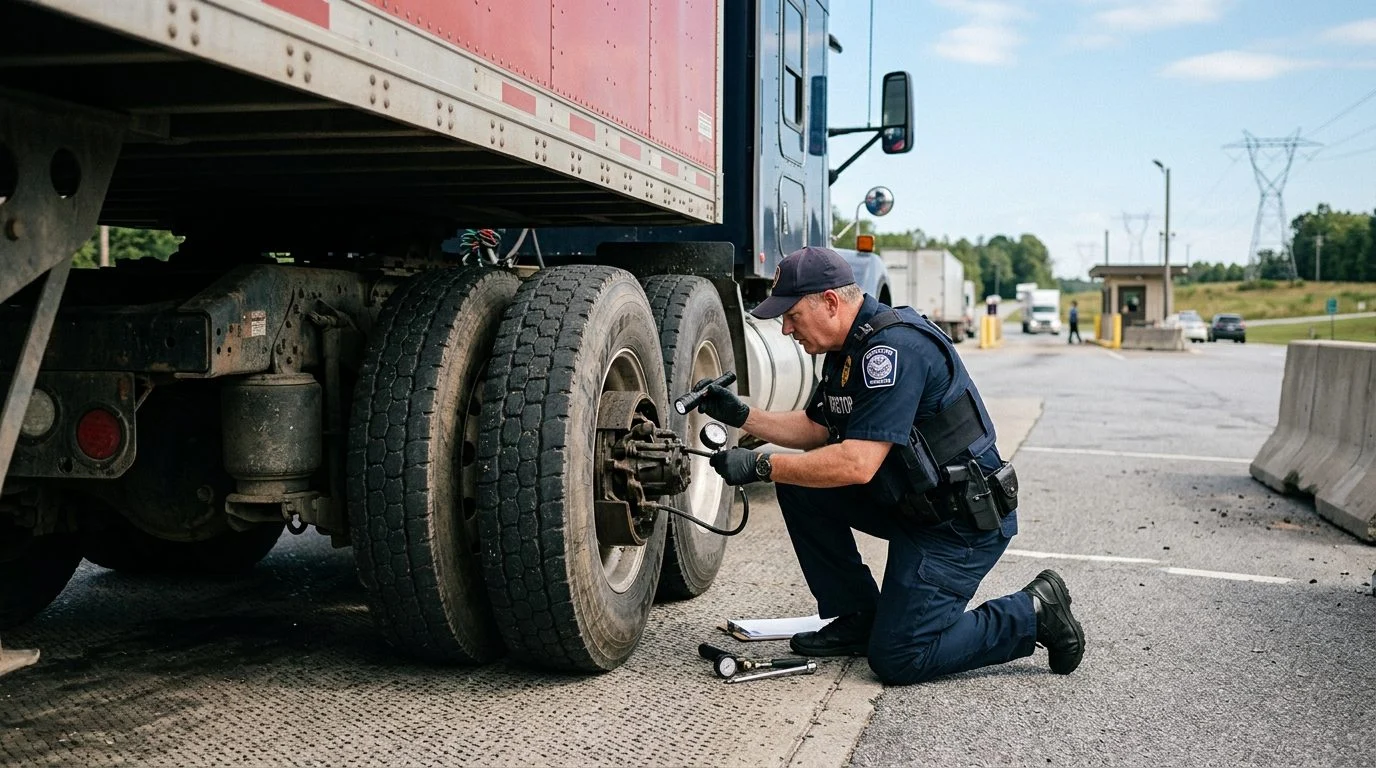
The truck and damaged parts come first. Repairs and scrapping can erase physical evidence. The letter should ask that damaged components be kept before any work is done.
Electronic records can be important evidence in a truck crash case. An electronic logging device automatically records date, time, location, engine hours, vehicle miles, and driver and vehicle identification, under 49 C.F.R. § 395.26. A motor carrier must not alter or erase, or permit or require alteration or erasure of, the original hours-of-service information, under 49 C.F.R. § 395.30. A truck’s event data recorder may also hold information from around a crash, as the NHTSA event data recorder overview explains.
Other records to name include the driver qualification file. A driver qualification file must be retained for as long as the driver is employed by the motor carrier and for three years thereafter, except that certain records listed in paragraph (d) may be removed from the file three years after the date of execution, under 49 C.F.R. § 391.51. Also name maintenance and inspection records, dispatch messages, dashcam or onboard video, and any witness contact information the company holds.
What to Include in a Preservation of Evidence Letter
A useful letter names the crash, says a claim is expected, and lists the evidence to keep. It also asks for written confirmation.
Start with the basics. Give the date, time, and location of the crash. Name the vehicles and the parties involved, so the recipient knows which records to pull.
State that a claim or lawsuit is anticipated. Then list the categories of evidence, such as electronic logging data, driver files, maintenance records, and dashcam video. Specific categories are harder to ignore than a general request to keep “everything.”
Ask the recipient to confirm in writing that the evidence is being kept. Ask them to pass the notice to their insurer and legal department too. That confirmation gives you a written record of what was requested and when.
A letter does not file a lawsuit. Georgia’s filing deadline runs on its own clock. Under O.C.G.A. § 9-3-33, a lawsuit for injuries to the person generally must be filed within two years after the legal claim arises (in most injury cases, that is the date of the injury), except for actions involving loss of consortium, which must be filed within four years after the claim arises.
What Happens If Evidence Is Destroyed After a Truck Crash?
Notice matters here. A written preservation request creates a record showing the other side knew the evidence mattered. That record shows what was asked for and when, which can be important if records later go missing.
Lost evidence can also weaken the other side’s ability to answer what happened on the road. Families often hold evidence too, such as photos, medical bills, and witness names. Keep those safe and share copies with your lawyer.
For how evidence fits into proving negligence against a trucking company, see how to sue a trucking company.
Not sure what your next step is?
Talk it through with our team — the first consultation is free, confidential, and carries no obligation.

Records and Evidence After a Truck Crash
If a truck crash has left you or someone you love dealing with injuries, records, and insurance calls, you don’t have to sort it out alone. You may be trying to protect evidence for a family member who was hurt, which is a lot to carry at once.
Questions about who caused the crash often come up alongside evidence questions. For more on that, read who decides fault after a crash.
Common Questions
Does a preservation letter mean I am filing a lawsuit?
No. It asks a party to keep evidence. It does not file a case.
May a trucking company throw out old records?
Under federal record-keeping rules, a company covered by them must keep its records for set minimum periods. Once those periods pass, the company’s management may choose to destroy them. Those rules still do not excuse the company from following any other government body’s lawful rule that requires keeping certain records longer.
How long do I have to file?
Under Georgia law, injury claims generally must be brought within two years.
Our first consultation is free, confidential, and carries no obligation to continue. You can reach our team through the contact page to talk through what evidence may still exist for your crash.
Contact: tmaddenlaw.com/contact.*
Related practice areas
- Airport Shuttle Accident Lawyer Georgia