

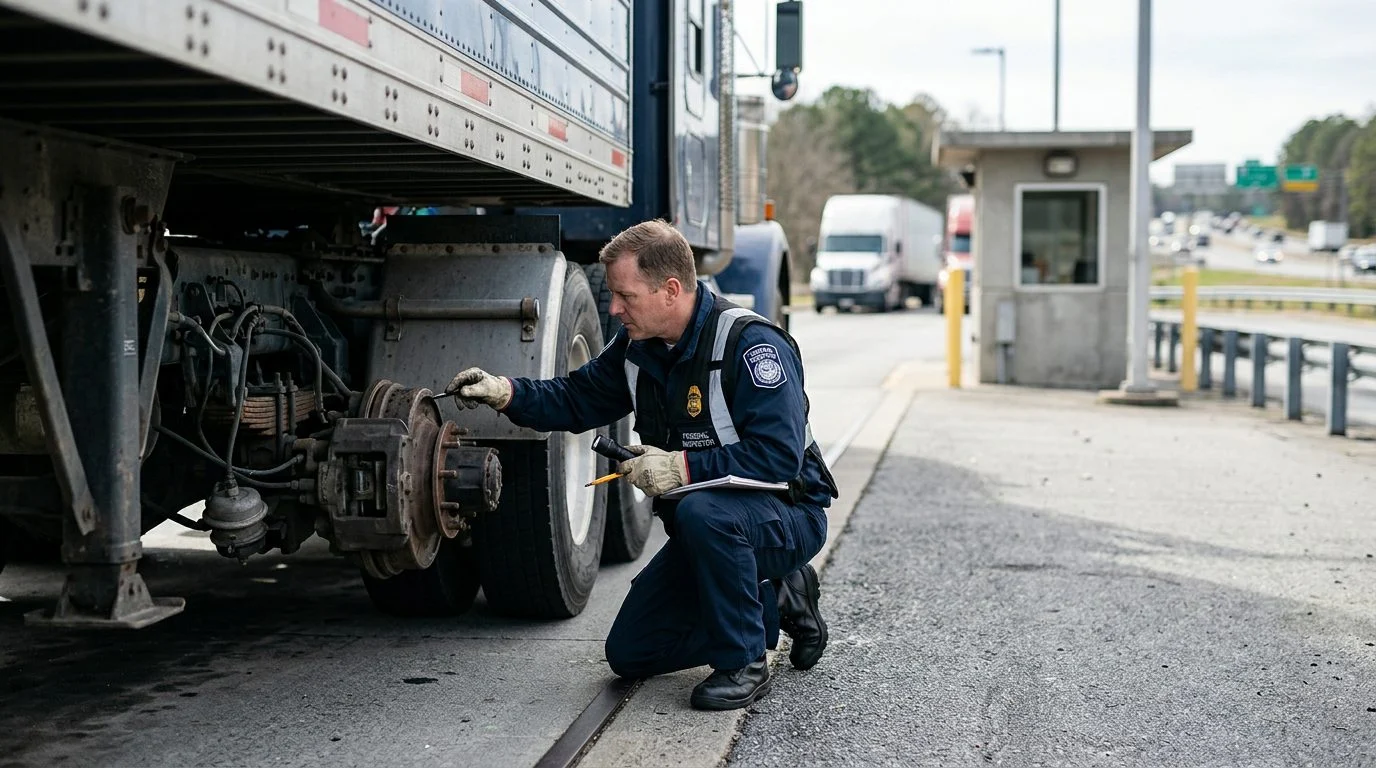
Truck Accident Lawyer · Clayton County, Georgia
Hurt in a Truck Crash? Start With This Scene Checklist
T. Madden & Associates, P.C. has represented people injured in Georgia wrecks since 1999. Use this checklist to protect your information after a collision with a commercial truck, then talk with our team at no cost.
About T. Madden & Associates, P.C.
1999
Practicing personal injury law in Georgia
5
Offices: Jonesboro, Atlanta, Decatur, Macon and Augusta
24/7
Call line for injured people and families
By Terance Madden · Published November 2, 2026
If you’re trying to learn what information to get from a truck driver after a crash, start with five things. Get the truck’s USDOT number, the carrier’s name, the trailer and unit numbers, the driver’s details, and photos of the rig and any cargo placards. These facts help identify the companies and insurers involved later. Many of them can disappear within days. This guide covers each item for a crash on a Clayton County road or anywhere else in Georgia. It is general information, not legal advice.
The Five Things to Capture First at a Truck Crash Scene
Capture these five items as soon as it’s safe, before the tow and cleanup begin. They are the facts most often needed to find the right companies and insurers later.
Safety and crash duties come first. Stay safe, stop, and make sure police are called. Then start your list.
Details disappear for ordinary reasons. Trucks get repaired, reassigned or moved, and paperwork changes hands. Federal rules set how long carriers must keep some records. Driver vehicle inspection reports must be kept for three months, under federal inspection report rules, but a driver only has to prepare one if a defect or deficiency is found or reported, and the rule does not apply to some carriers, such as one operating only one commercial motor vehicle. Electronic duty-status records must be kept for six months, according to FMCSA record retention guidance. Those rules set how long a carrier keeps records, and they also require the carrier to repair any defect or deficiency listed on the driver vehicle inspection report which would be likely to affect the safety of operation of the vehicle before requiring or permitting a driver to operate it. Your own notes and photos are the record you control today.
If a truck crash has left you hurt or unsure in Clayton County, you don't have to sort out the paperwork alone; our team offers a free, confidential first consultation. Talk it through with our team — the first consultation is free, confidential, and carries no obligation.
Identifying the Truck and the Carrier
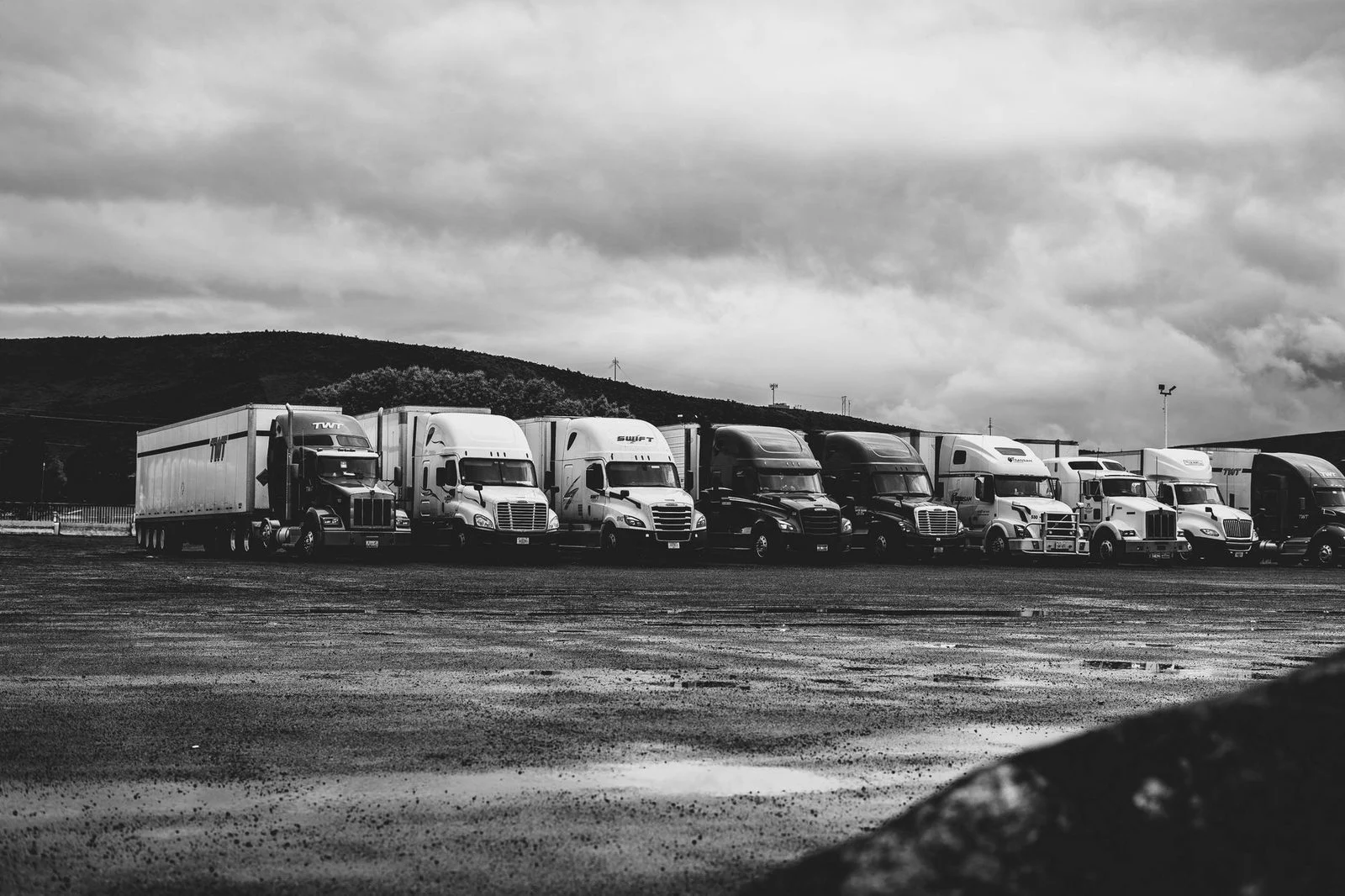
The USDOT number and the carrier’s legal name or single trade name identify the company behind the truck. Federal rules require a motor carrier to display its USDOT number on each self-propelled commercial motor vehicle, unless it registers its vehicles in a State that participates in the PRISM program and files all required information with the appropriate State office, as shown in federal carrier identification rules. Look at the cab doors first, then the trailer. Copy the number exactly as shown.
Only the legal name or a single trade name of the motor carrier or intermodal equipment provider may be used on the forms under 49 CFR 390.19T(a) (Form MCS-150, MCS-150B, or MCS-150C). Write down both names. The federal truck marking rules set out these details.
The carrier may not be the driver’s employer, so record both. Also note the trailer number, the unit number, and the license plate (tag) of both vehicles together. Photograph the company name, the phone number, and any fleet markings on the doors and rear of the trailer.
Recording the Driver’s Name, CDL and Contact Details
Ask for the driver’s full name, phone number, CDL number and issuing state, and the employer named on the driver’s paperwork. Knowing what information to get from a truck driver after a crash comes down to these basics.
A driver’s license details help show whether the driver was cleared to drive that truck.
Ask who the driver works for. A driver may be working for a company other than the one whose name is on the truck. Georgia law makes a person liable for torts committed by a servant within the scope of that person’s business, under O.C.G.A. § 51-2-2. That is why the employer’s name is worth recording.
Write down the time, the direction of travel, and what the driver said about how the crash happened. Label these as your own notes, not conclusions. Stay polite and factual. Don’t sign anything you don’t fully understand.
Cargo, Placards and Load Information
Photograph every placard on the trailer or cab and write down what it says. Placards can show what the truck may be carrying.
A placard is a sign that can show a hazard class or a UN identification number. Take photos from several angles, including close views of the numbers. Keep your distance from the load and don’t climb on the trailer or touch it.
The cargo type and load weight can affect the scene, the cleanup and later questions about the trip. Note what you can see of the load from where you stand. Stay on the safe side of the roadway while you do.
A driver or dispatcher may later be asked for the bill of lading, which is the shipping paper for the load. Ask the driver or the officer what paperwork exists and where it’s kept. Then write that down. A short note today can save a search later.
Photos, Scene Evidence and Vehicle Positions
Take wide shots of the whole scene first, then close-ups of damage, skid marks and debris. Work in that order, and only when it’s safe to stand in the area.
Wide shots should show the roadway, the lanes, the signs, the traffic signals and the weather. Close-ups should show damage to both vehicles. If you can see them safely, photograph the truck’s brake and lighting areas too.
Photograph where each vehicle came to rest, if you can, before it is moved. Video helps as well. Narrate a short walkthrough with the date, the time and the street location in Clayton County.
Phone photos are most useful when they keep their original timestamps. Don’t edit or crop the originals. Back them up the same day, so a lost or full phone doesn’t cost you the files.
Witnesses, Police Report and Official Records
Get each witness’s name and phone number before they leave. Ask them to stay if they can. A short conversation at the scene is easier than a search later.
Ask the responding officer for the agency and the report number. Later, use that number to request a copy of the report. The officer’s report, the tow yard, and any roadside inspection records are separate sources. Each can help confirm the truck’s details.
Knowing the common causes helps you notice what to write down. The Georgia Department of Public Safety fact sheet lists driver error, inadequate rest, defective brakes and defective steering among common contributing factors in commercial-truck crashes.
Georgia’s motor carrier safety rules require every driver operating for a motor carrier to be fully competent and sufficiently rested, under O.C.G.A. § 40-1-8. Keep one notebook or note file. Record every number, time and name in the order you collected it.
Not sure what your next step is?
Talk it through with our team — the first consultation is free, confidential, and carries no obligation.
Why These Details Matter: Georgia Deadlines and Comparative Fault
Georgia generally requires an injury lawsuit to be brought within two years after the right of action accrues. That rule comes from O.C.G.A. § 9-3-33. The statute begins with “except as otherwise provided,” so other time limits can apply in some cases.
Fault matters too. Under O.C.G.A. § 51-12-33, the trier of fact (the jury or the judge, when no jury hears the case) sets the plaintiff’s percentage of fault. The judge then reduces damages in proportion to that share.
The same statute provides that a plaintiff who is 50 percent or more responsible for the injury or damages claimed shall not be entitled to receive any damages (O.C.G.A. § 51-12-33 (Quynn v. Hulsey (2020))(g)).
Scene facts about speed, lanes and signals can bear on those percentages. How these rules apply depends on the facts of each crash. That is why your early notes matter, since the evidence behind them can disappear.
Frequently Asked Questions About Truck Crash Information
What information should I get from a truck driver after a crash?
Get the driver’s full name, phone number, CDL number and issuing state, and the employer named on the paperwork. Also record the USDOT number and the carrier’s name from the truck.
What if the driver won’t give the carrier name?
Look for the USDOT number and the legal name on the cab doors and the trailer. Ask the officer for the report number and write down what you can see.
Is the carrier always the driver’s employer?
No. The carrier and the driver’s employer can be different companies, so record both names.
How long do I have to file a claim in Georgia?
Georgia generally allows two years for injury claims under the Georgia injury deadline statute, and other deadlines can apply.
Do I have to stop after a truck crash in Georgia?
Talk Through Your Truck Crash With Our Jonesboro Office
If you’re dealing with a truck crash in Clayton County, you can talk it through with our team before deciding what comes next.
Picture this: a truck cut into your lane on a county road. You have a few photos, a partial driver’s name, and a notebook of times you wrote from memory. You aren’t sure which details matter most.
T. Madden & Associates, P.C. offers a free, confidential first consultation with no obligation to continue. You can reach out through our contact page to start that conversation about your crash.
This page is general information, not legal advice. The responsible lawyer for this page is Terance Madden of T. Madden & Associates, P.C., a Georgia personal injury firm in practice since 1999. The firm has offices in Jonesboro, Atlanta, Decatur, Macon and Augusta. Contact: https://www.tmaddenlaw.com/contact/.
The Scene Checklist: What to Do After a Truck Crash
1. Call 911 and Request Medical Help
Ask for police and medical units even if you feel fine. Injuries from large truck collisions are not always visible right away, and a police report creates an official record of the scene.
2. Record the Truck and Driver Details
Get the driver's full name, phone number, CDL number and issuing state, and the employer named on the paperwork. Note the USDOT number and the carrier's name shown on the truck.
3. Photograph Everything
Take pictures of vehicle damage, the truck's trailer and cargo markings, skid marks, traffic signals, road conditions and your injuries. Wide shots and close-ups both help.
4. Collect Witness Information
Write down names and phone numbers of people who saw the crash. Independent witnesses can describe what happened in ways that are hard to replace later.
Important: Be Careful What You Say
Do not guess about fault, sign documents from an insurance company, or give a recorded statement before speaking with a lawyer. Trucking companies often send investigators to the scene quickly, and their paperwork is not written with your interests in mind.
How T. Madden & Associates, P.C. Can Help
Free, Confidential First Consultation
Tell us what happened at the scene. The first consultation is free, confidential and comes with no obligation to continue.
No Fees Unless There Is a Recovery
Our fee is paid only if there is a recovery. Clients may still be responsible for court costs and case expenses, which we will explain before you decide.
Available 24/7
Injuries and crash scenes do not keep office hours. Call any time to start your free case evaluation.
Lawyers Who Focus on Injury Cases
Our lawyers, Terance Madden and Shenia Madden, and our team focus on car, truck, motorcycle and other injury claims for people across Georgia.