

Will the Other Driver's Insurance Contact Me? Georgia
By Terance Madden · Published November 3, 2026
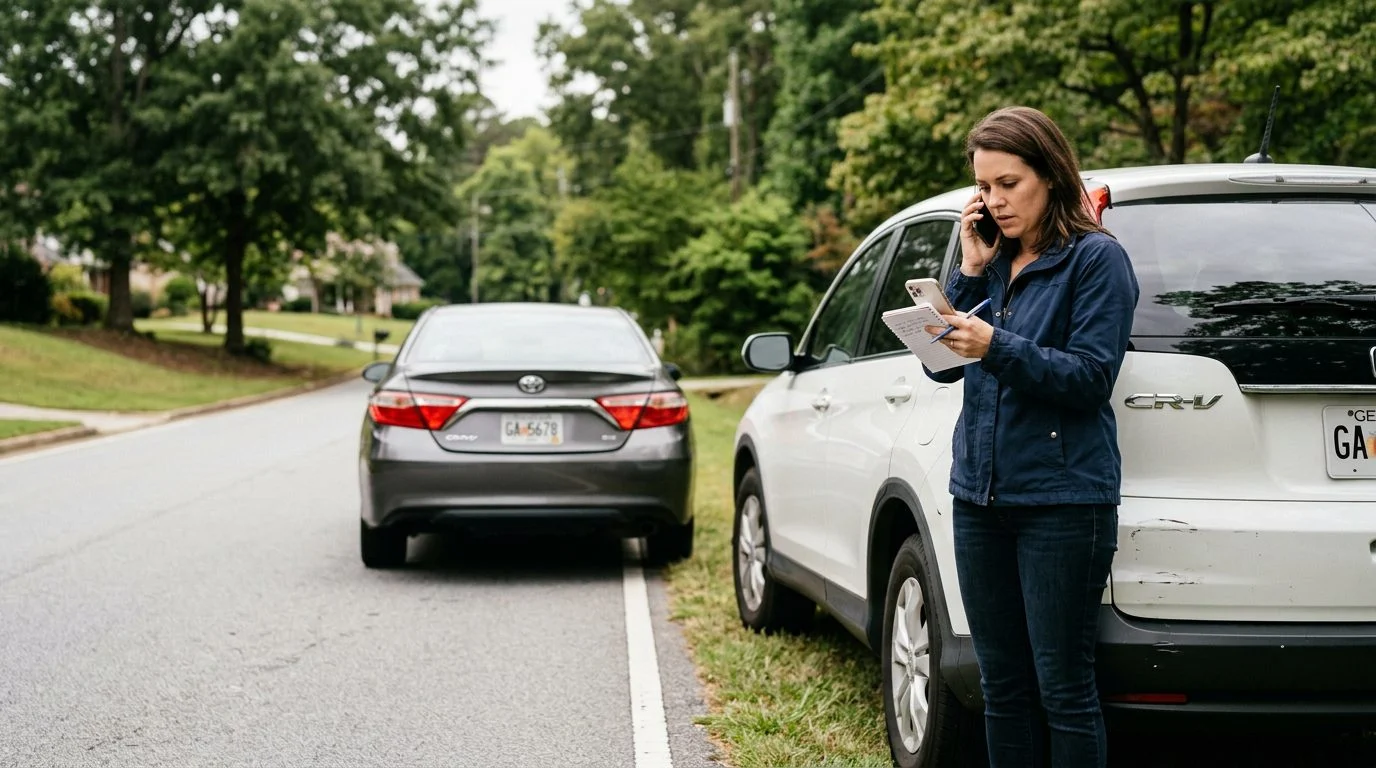
Will the other driver’s insurance contact me? Often, yes. After a crash, the other driver’s insurer may call, write, or send letters to people involved. The insurer is opening a claim against its own policyholder. A call does not mean you did anything wrong, and it does not mean a lawsuit has started. This guide explains why the calls happen, how your own policy fits in, and how to respond with care. If you are reading this for a family member, the same points apply.
Why the other driver’s insurance company is calling you
So, will the other driver’s insurance company contact me? Often, yes, and the call is usually a routine step in the claim process. The other driver’s insurer calls to open and handle a claim made against its policyholder. Its adjuster wants to learn how the crash happened and what damage or injuries followed.
Contact often comes soon after the accident, while the insurer is still gathering facts. That early timing is one reason to slow down before you give any account. A friendly tone does not change who the insurer works for. The adjuster is not your advisor, even when the call sounds helpful.
If you were hurt, the adjuster may ask how you feel and what treatment you have had. Those questions are common, and your answers become part of the claim file.
Write down who called, the caller’s name, the company, the claim number, and the date and time. Ask who is assigned to your claim and what the next step is. A simple note now saves confusion later.

Does auto insurance follow the driver?
Not in a simple way, because each policy is its own contract with its own insurer. The other driver’s insurer answers to its own policyholder. Your insurer answers to you under your own policy.
That separation matters. Reporting the crash to your own insurer is a separate step from any talk with the other side. Both policies can matter in one crash. Which coverage applies depends on the facts, including who was at fault and whether the other driver had insurance.
Passengers and family members may have claims too, and their situations can differ from the driver’s. Keep your policy details and the other driver’s insurance information in one place. Keep your insurance card with your vehicle papers.
Your own insurer can explain the coverage on your policy, including any uninsured motorist coverage. Ask about that before you make decisions about the other side.
Should you speak with the other driver’s insurance company after an accident?
Slow down. You can take time before you answer questions about the crash. You don’t need to answer everything on the first call.
Keep what you share to facts you know directly, such as the date, time, and location. Avoid guessing about speed, distance, or who was at fault. A rough guess can be repeated back to you later as if it were a fact.
Politely ask for the adjuster’s name, company, and claim number. Tell the caller you will call back once you have had time to think. Then do that, and write down the time of the call.
Many people feel pressure to answer right away because the caller sounds patient and kind. That pressure is normal, and you can still pause. A short, calm reply works, such as “I’m not ready to discuss the details today.”
Your injuries and the details of the crash shape what you should say. Go slowly. Don’t sign any form or accept a payment on the first call.
What is a recorded statement and why does it matter?
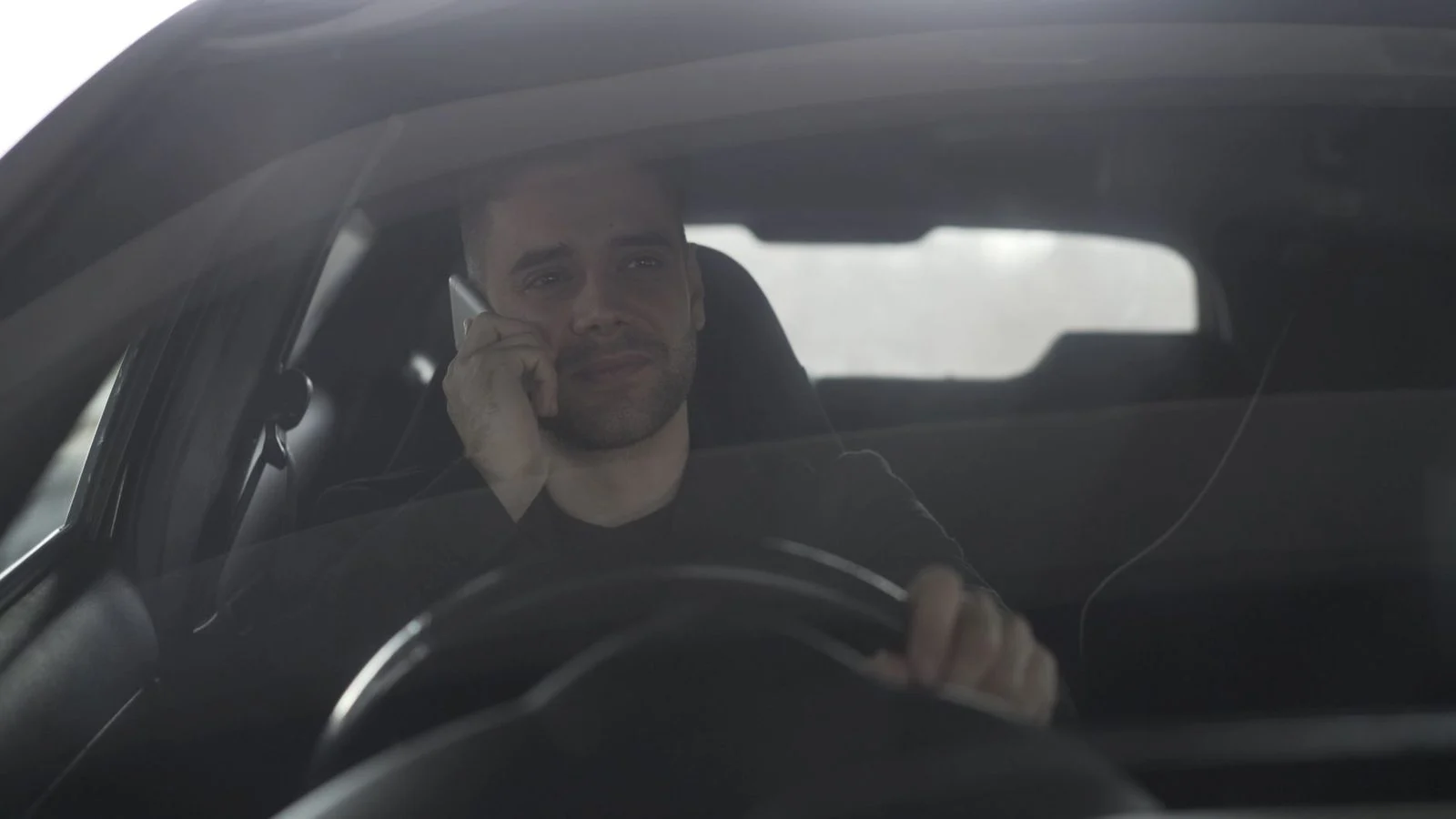
A recorded statement is an audio-recorded question-and-answer session with the insurer. The adjuster asks about the crash, your injuries, and your daily activities.
Answers given early can be quoted back later. Memory of small details can shift as days pass, so a quick answer may not match a later record. Treat each answer as something that may be repeated.
Adjusters often ask about prior injuries and past medical care. Describe symptoms accurately rather than downplaying them, even if you feel you are “mostly fine.” Symptoms that get worse over the following days are worth reporting.
Before you agree to a recorded statement, ask whether the call is being recorded. Ask whether you can receive a copy. You can also ask for time to review your notes first.
If you are still in treatment, say so. Tell the adjuster you will provide updates in writing.
How can an insurance company undermine your claim?
An insurer can use early statements, photos, social media posts, and medical records to question how hurt you are or who caused the crash. The details you give matter for that reason.
Casual remarks are a common problem. Saying “I’m fine” or “I’m sorry” on a call can later be quoted to dispute an injury or fault. Posts about trips, activities, or the vehicle can also be read out of context while a claim is open.
Georgia law also reduces damages by a plaintiff’s share of fault. Under O.C.G.A. § 51-12-33, the trier of fact sets the plaintiff’s percentage of fault, and the judge reduces the award in proportion. A plaintiff who is 50 percent or more responsible may not receive any damages.
That is why careful, precise answers matter. Keep a simple log of calls, letters, and dates so the timeline stays clear.
What about the early settlement offer?
An early settlement offer is a payment proposed before the full extent of injuries or repair costs is known. It can arrive while you are still in treatment.
Read every term of any release carefully before you sign it.
Medical bills need careful review too. Under O.C.G.A. § 51-12-1.1, medical expenses are limited to the reasonable value of medically necessary care. Under O.C.G.A. § 51-12-1.1, where the plaintiff has public or private health insurance, including benefits under a governmental workers’ compensation program, evidence must include both the amounts charged and the amounts actually necessary to satisfy those charges under the insurance contract or the applicable workers’ compensation program, regardless of whether the health insurance has been used to satisfy those charges. An offer made before treatment ends may not account for care that comes later.
Special damages, like medical bills, must be proved. Under O.C.G.A. § 51-12-2, special damages must be proved, while general damages may be recovered without proof of any amount.
Timing matters too. Georgia generally gives two years to bring an injury action under O.C.G.A. § 9-3-33, and some exceptions apply. Taking time to review records and bills is a normal part of a claim. Ask for any offer in writing before you decide.
What to do if you were not at fault
If the other driver caused the crash, that driver’s liability insurer handles the claim against its policyholder. You can still report your own crash to your insurer promptly, even when you were not at fault.
Uninsured drivers raise a separate issue. Under O.C.G.A. § 33-7-11, auto liability policies issued in Georgia are required to include uninsured motorist coverage for injuries and damages caused by an uninsured vehicle’s owner or operator, unless the insured rejects that coverage as the statute allows. Georgia’s O.C.G.A. § 33-7-11 provides that an automobile or motor vehicle liability policy issued or delivered in this state must include an endorsement or provisions to pay the insured damages for bodily injury, loss of consortium or death of an insured, or for injury to or destruction of an insured’s property under the named insured’s policy, sustained from the owner or operator of an uninsured motor vehicle; the statute also states that this coverage is not required where any insured named in the policy rejects it in writing.
The statute sets out that requirement.
Write down the names of anyone who saw the crash. Keep any crash report you receive. Crashes involving trucks or work vehicles can involve more than one insurer, and the facts of each crash decide which insurers are involved.
Talking through your situation with T. Madden & Associates, P.C.
If an insurer’s calls have you worried, you can contact T. Madden & Associates, P.C. for a free first consultation. Being hurt, missing work, and answering calls at the same time is hard. You do not have to sort out the next step alone.
Attorney Terance Madden has been in practice since 1999. It handles car, truck, and motorcycle crash cases, along with other injury matters. The first consultation is free, confidential, and carries no obligation to continue.
When you’re ready, you can start a free case evaluation through the firm’s contact page.
This page is general information, not legal advice. Terance Madden is the responsible lawyer for this page at T. Madden & Associates, P.C., which has offices in Jonesboro (Clayton County), Atlanta, Decatur, Macon and Augusta. Contact the firm through the contact page.
Frequently asked questions
Will the other driver’s insurance contact me?
Yes, the other driver’s insurer may contact you after a crash. The call does not mean you did anything wrong.
Do I have to talk to the other driver’s insurance company?
You can take time before you answer. Ask for the adjuster’s name and claim number first, and keep your answers to facts you know.
What is a recorded statement?
It is an audio-recorded question-and-answer session with the insurer about the crash and your injuries. Ask whether the call is being recorded before you agree.
How long do I have to file an injury claim in Georgia?
Georgia generally allows two years under O.C.G.A. § 9-3-33, with some exceptions.