

Car Accident Lawyer · Georgia
Prepare for Your Car Accident Consultation With the Right Papers
Bring what you have to your free, confidential first consultation with T. Madden & Associates, P.C. Missing items can be added later.
About T. Madden & Associates, P.C.
1999
In practice since
5
Georgia offices
Free
First consultation, confidential
By Terance Madden · Published October 24, 2026
If you’re getting ready for a car accident lawyer consultation, bring what you already have. You don’t need a finished file. A lawyer mainly needs the facts of the crash, your injuries, and what the crash has cost you so far.
This page walks through a checklist by category. Each section explains why a record matters for a Georgia car accident claim. You can gather items in any order, and many people collect papers over several weeks while they recover.
T. Madden & Associates, P.C. has been in practice since 1999. The firm represents people hurt in car and truck wrecks from offices in Jonesboro, Atlanta, Decatur, Macon, and Augusta.
What the First Meeting Is For
The first meeting is a chance to tell your story, learn how a claim works, and decide what to do next. It is not a test, and you don’t need every document to attend.
Expect questions about how the crash happened, where you were hurt, and what treatment you’ve had. The lawyer will also ask about work and daily life. Honest answers help more than a polished story, even when some answers are incomplete.
Sort your papers into groups before you go: crash records, medical records, insurance letters, income proof, and your own timeline. That order makes things easy to find when you’re sore or tired.
Under O.C.G.A. § 9-3-33, injury lawsuits generally must be brought within two years after the right of action accrues. The statute includes exceptions, so write down the date of the crash and bring it with you.
Pulling together crash reports, bills, and insurance letters while you recover can feel like too much. When you're ready, our team is glad to talk through what you have and what's still missing. Talk it through with our team — the first consultation is free, confidential, and carries no obligation.

Crash Scene and Police Documents
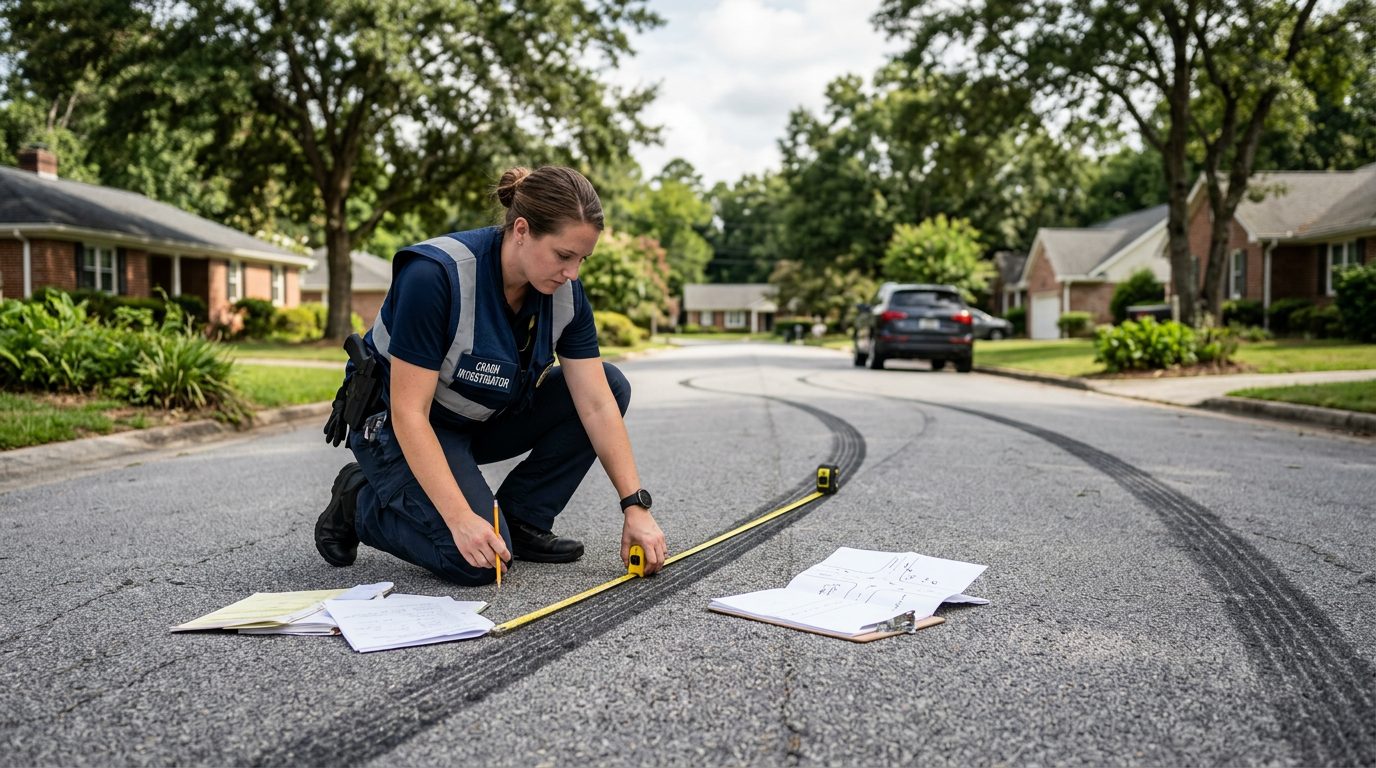
Bring the crash report and every photo, video, and note from the scene. These records show how the crash happened, and that question often shapes who is at fault.
Gather the crash report number, the date, time, and location, and the names of the officers or agency involved. If you don’t have the report yet, bring the report number or agency name so the lawyer can follow up.
Keep original photo files with their date stamps. Capture vehicle damage, road conditions, traffic signals, and any visible injuries. Write down witness names, the other driver’s details, and their insurance information.
Fault matters because of Georgia’s avoidance rule. Under O.C.G.A. § 51-11-7, a plaintiff who could have avoided the consequences of the defendant’s negligence by ordinary care is not entitled to recover, but in other cases the defendant is not relieved even if the plaintiff may in some way have contributed to the injury. Scene evidence helps show what each driver could and could not have done. A sketch or written account made soon after the crash can help too.
Medical Records, Bills, and Treatment Details
Bring your medical records, your bills, and a list of every provider who has treated you since the crash. Together they show your injuries, the care you needed, and what that care cost.
Start with discharge papers, emergency room or urgent care notes, and imaging results. Add prescription records and a current medication list. Bring a copy of each bill and each insurance explanation of benefits statement you received.
These statements matter. Under O.C.G.A. § 51-12-1.1, medical expenses are limited to the reasonable value of medically necessary care. If you have health insurance, the statute says evidence must include both the amounts charged for your medical and healthcare expenses and the amounts actually necessary to satisfy those charges under your insurance, whether or not the insurance was used.
If a provider treated you under a letter of protection, bring that letter.
Keep a treatment log with appointment dates, referrals, therapy visits, and missed work or activities. Note any earlier injury to the same body part. Tell the lawyer about it at the start so it can be explained.
Insurance Letters and Claim Communications
Bring every letter, email, and text from any insurance company, along with your insurance card and declarations page. These papers show what coverage exists and what has already been said.
Your declarations page lists the coverage on your policy. Under O.C.G.A. § 33-7-11, an auto policy generally must contain uninsured motorist provisions unless the insured rejects them in writing, with limits that, at the insured’s option, are within the limits stated in the statute. Under O.C.G.A. § 33-7-11(a)(1), an automobile or motor vehicle liability policy may not be issued or delivered in Georgia to the owner of a vehicle, or by an insurer licensed in Georgia for a vehicle principally garaged or principally used here, “unless it contains an endorsement or provisions undertaking to pay the insured damages for bodily injury, loss of consortium or death of an insured, or for injury to or destruction of property of an insured under the named insured’s policy sustained from the owner or operator of an uninsured motor vehicle.” The statute then lists the coverage limits the insured may choose from.
Include the other driver’s insurance details too: the company, the claim number, and the adjuster’s name. Bring any offers, requests for records, and requests for recorded statements.
Keep a log of phone calls with adjusters. Write down the date, the time, and what was said. Bring any settlement or release form unsigned if you can. For general guidance on handling auto claims, see Georgia auto claim tips.
Proof of Lost Income and Out-of-Pocket Costs
Bring pay stubs, tax forms, and an employer letter about missed days or work limits. Add receipts for costs the crash caused. These records turn your losses into numbers a lawyer can check.
Georgia separates general damages from special damages. Under O.C.G.A. § 51-12-2, special damages actually flow from the wrong and must be proved. Bills and lost pay are usually proved with records.
Under O.C.G.A. § 51-12-7, necessary expenses caused by an injury are a legitimate item in the estimate of damages. List them: rental car receipts, towing and storage bills, repair estimates, total-loss papers, and childcare or help at home that you paid for.
If you’re self-employed, bring invoices, schedules, and business records that show income before and after the crash. A simple table helps:
| Date | Missed work or activity | Hours or days lost | Money spent |
|---|---|---|---|
| Example: 3/12 | Doctor visit, shift missed | 4 hours | $40 mileage |
Your Timeline, Notes, and What to Hold Back
Write a short timeline of the crash day and the days after. Keep your notes private and share them with your lawyer rather than posting them online.
Cover your symptoms, how daily life changed, and who you spoke with, with dates where you can. A simple journal of pain, sleep, mobility, and mood helps the lawyer see the injury as you live it. A journal does not replace medical records, though, so keep both.
Be careful about what you say. Avoid guessing about speed or fault. Don’t minimize your injuries. Hold off on posting about the crash, your activities, or the case on social media. Before you give a recorded statement to an insurer, consider a free, confidential first consultation with T. Madden & Associates, P.C., which carries no obligation to continue.
If you don’t remember a detail, say so. A clear “I don’t know” helps more than a guess that later changes.
Not sure what your next step is?
Talk it through with our team — the first consultation is free, confidential, and carries no obligation.
Questions to Ask Your Lawyer at the Consultation
Ask who will handle your case day to day, what usually comes next, how updates reach you, and what else the lawyer needs from you. These answers show how the work will be handled.
Ask what the lawyer would need to review in a Georgia car accident claim. Ask what the timeline depends on, and ask for a plain answer, not a promised date.
The first consultation is free, confidential, and carries no obligation to continue. T. Madden & Associates, P.C. handles car accident claims on a no-fee-unless-we-win basis, but the client may still be responsible for court costs and case expenses.
Ask how fees are calculated and what happens to expenses if the case does not succeed. Ask for written answers and keep them with your folder.
Gathering Documents When You Are Helping Someone Else
A family member, friend, or coworker can collect the papers for someone who was hurt. With the injured person’s permission, that helper can also attend the meeting.
Use one folder with a section for each category on this page. Add a short list of the injured person’s symptoms, appointments, and questions. This keeps the meeting on track without the helper speaking for the injured person.
The injured person’s own account of the crash is the core of the claim. Bring them to the meeting when they’re able. If they can’t attend, write down what they’ve told you and say whose account it is.
You may be juggling work, school runs, appointments, and insurance calls while helping someone recover. That load is heavy. You don’t have to sort everything out in one day.

Take the Next Step: Contact Us for a Free Consultation
If you’re gathering crash reports, bills, and insurance letters after an injury, you don’t have to finish the pile alone. When you’re ready, reach out to T. Madden & Associates, P.C. to set up your first meeting. Bring what you have, even if the file is incomplete. The lawyer will help identify what’s still needed. The firm has offices in Jonesboro, Atlanta, Decatur, Macon, and Augusta.
For broader context on the claim process, read the firm’s Georgia car accident lawyer guide.
What documents should I bring to a car accident lawyer consultation?
Bring crash records, medical bills and records, insurance letters, proof of lost income, and a short timeline. Missing items can be added later.
Do I need a finished file before I meet?
No. Bring what you have, and the lawyer can identify what else is needed.
What if I don’t have the crash report yet?
Bring the report number or the agency’s name, if you know them.
This page is general information, not legal advice. Terance Madden is the responsible lawyer for this page. Contact T. Madden & Associates, P.C. through the contact page linked above.
What to Bring to Your Consultation
Crash Records
Police or crash report numbers, photos of the scene and vehicles, and any witness names or contact details you have.
Medical Bills and Records
Emergency, treatment and therapy records, along with bills, prescriptions and a list of your providers.
Insurance Letters
Letters or claim numbers from your own insurer and the other driver's insurer, plus any settlement offers you received.
Proof of Lost Income
Pay stubs, employer letters or tax returns showing time missed from work and changes to your earnings.
A Short Timeline
A simple written account of what happened, when, and how the injuries have affected your daily life since the crash.
What to Expect From Your Free Consultation
Confidential Conversation
Your first consultation is free, confidential and comes with no obligation to continue.
Review of Your Papers
We will look at the documents you bring and identify anything else that may be needed.
Clear Fee Terms
There are no fees unless there is a recovery. You may still be responsible for court costs and case expenses, and we will explain these before you decide anything.
Reach Us Anytime
Call T. Madden & Associates, P.C. 24/7 to start your free case evaluation or schedule a consultation.
Don't Wait to Gather Your Records
Medical providers, insurers and employers keep records in different places. Start collecting what you have now, even if the file is incomplete.