

Car Accident Lawyer | Georgia
Rear-Ended in Georgia? Let's Look at Who Is Really Responsible
T. Madden & Associates, P.C., led by attorney Terance Madden, has helped injured people with Georgia car crash claims since 1999. Get a clear picture of your rear-end collision.
About T. Madden & Associates, P.C.
1999
Year the firm began practice
5
Offices across Georgia
24/7
Phone line available
By Terance Madden · Published October 29, 2026
The Short Answer: Who Is Usually at Fault in a Georgia Rear-End Crash
In most rear-end crashes, the driver who hit from behind is the first one examined. But that is a starting point, not a final answer. Who is at fault when someone rear-ends you in Georgia depends on what each driver did and what the evidence shows.
Insurance adjusters, judges and juries all look at the facts of each crash. Sometimes the facts point to the following driver. Sometimes they point to the driver in front, or to both.
This page covers common exceptions, the evidence that tends to decide the question, how shared blame works, and the filing deadline. If you were hit from behind, the goal is to understand where you stand before you make any decisions.
If the other driver's insurer is asking you questions after a rear-end crash, you don't have to sort out fault alone; our team can review your facts in a free first consultation. Talk it through with our team — the first consultation is free, confidential, and carries no obligation.
What Georgia Law Requires: Following Too Closely
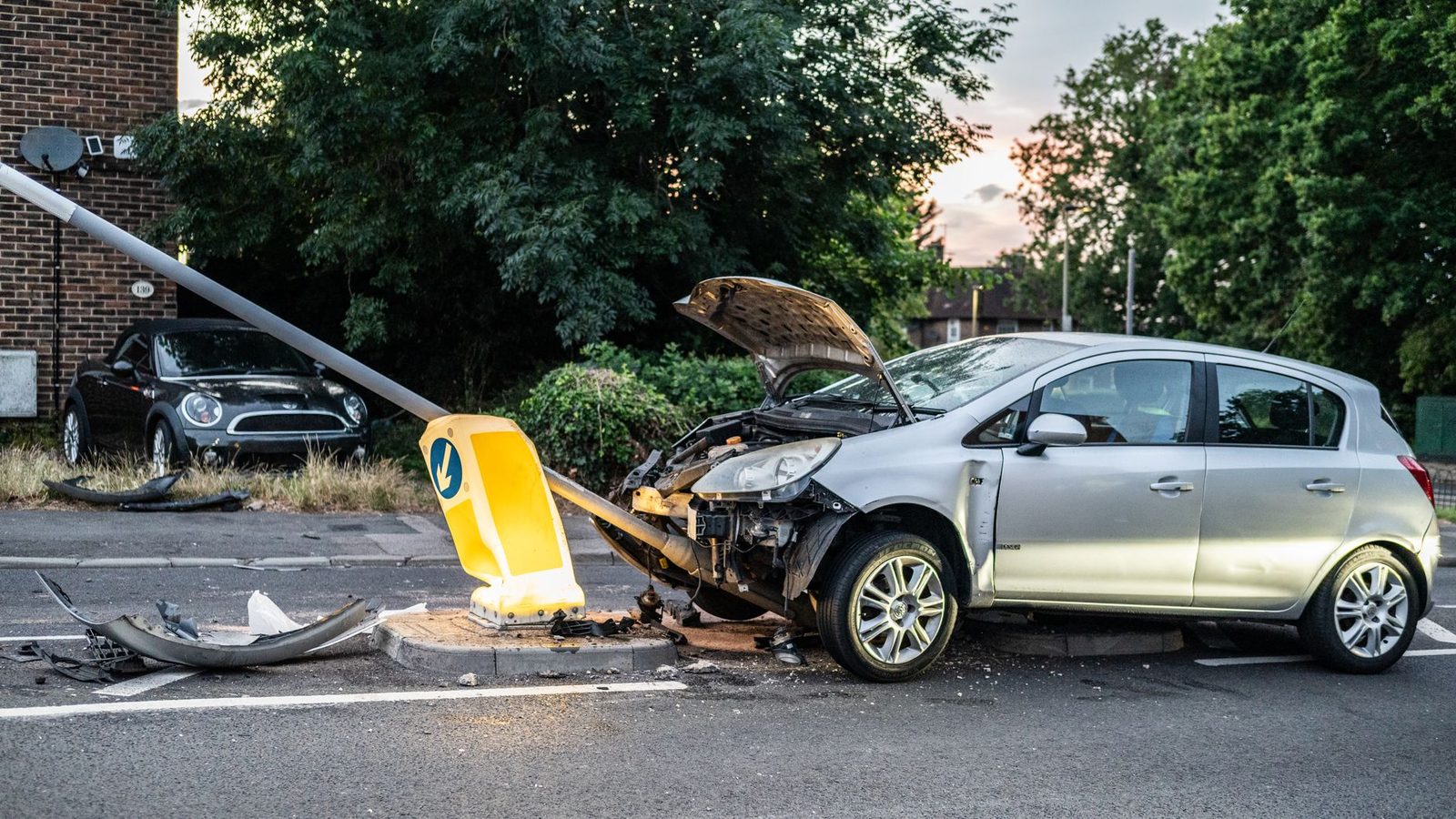
Think about what that means in practice. At highway speed, a car needs far more room to stop than most people expect. In stop-and-go traffic, the gap must be large enough for a sudden brake. On wet roads, stopping takes even longer.
Georgia law also sets a general standard of care. Under O.C.G.A. § 51-1-2, in general, ordinary diligence is that degree of care which is exercised by ordinarily prudent persons under the same or similar circumstances, and the absence of such diligence is termed ordinary negligence. A driver who follows too close and cannot stop in time is often judged against that standard.
The Georgia Department of Driver Services covers safe-driving rules, including distracted driving and hands-free phone use, in its DDS traffic laws chapter. A citation after a crash can be evidence. It is one piece to weigh, not the final word on fault.
Is a Rear-End Accident Always Your Fault?
No. A rear-end crash is not always the following driver’s fault. The driver in front can share or carry responsibility when that driver created the danger. Here are common examples.
A sudden stop with no traffic reason. If the lead driver braked hard when the road and traffic did not call for it, the driver behind may have had no time to react. The key question becomes why the car stopped.
Brake lights that did not work. If the lead car’s brake lights were out, the following driver may have had no warning that the car was slowing.
A sudden lane change or merge. A car that cuts in front, leaving too little room to stop, can make a crash hard to avoid for the driver behind.
Reversing into traffic. A vehicle that backs into the path of an approaching car can put the rear driver in a spot they could not escape.
Brake failure in the following vehicle. This cuts the other way. The question becomes whether the driver knew about the problem or should have fixed it.
If your crash happened in Jonesboro or elsewhere in Clayton County, these same Georgia rules apply. Aggressive driving also matters. The Georgia Department of Driver Services lists tailgating as an example of aggressive driving, which can bear on fault.
How Fault Is Proven: The Evidence That Decides the Question
Fault is proven with evidence that shows what each driver did in the seconds before impact. The strongest proof usually combines several sources, not one driver’s account.
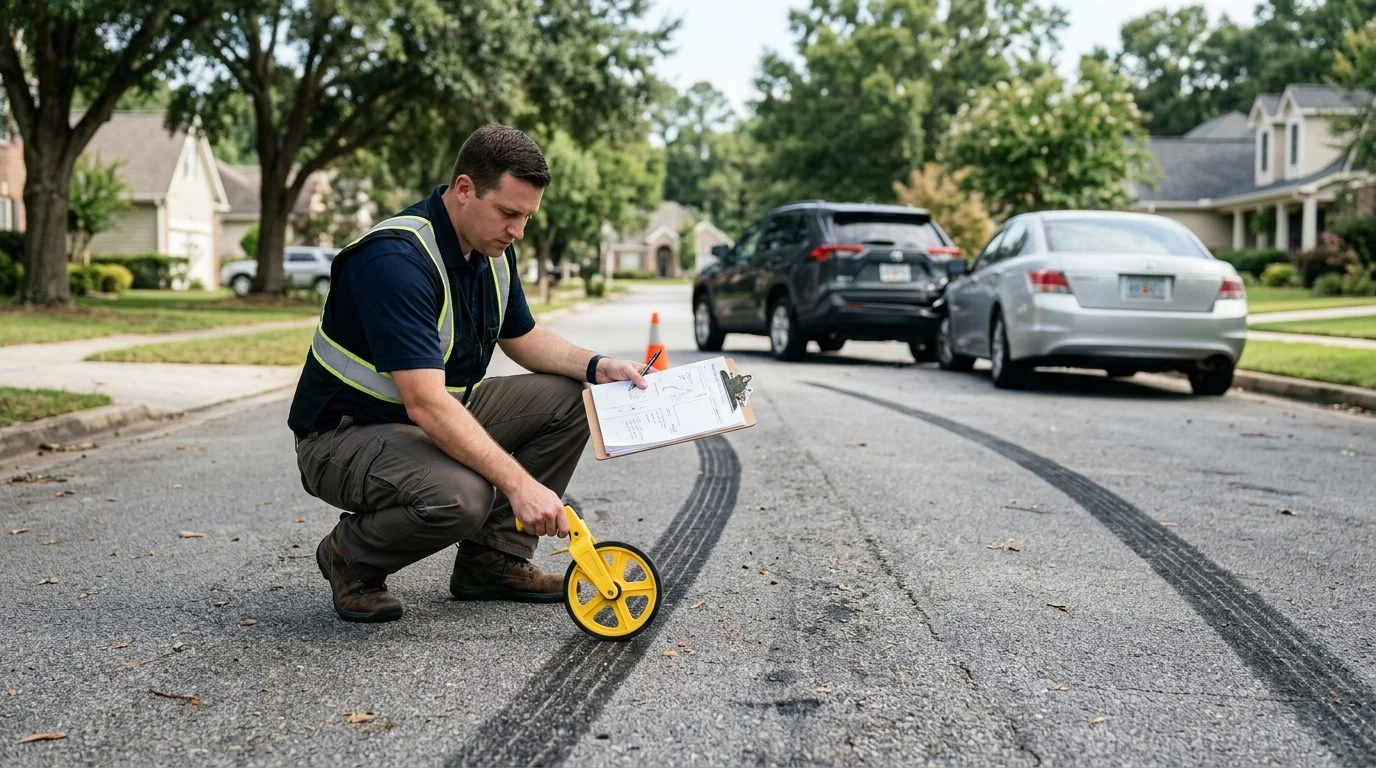
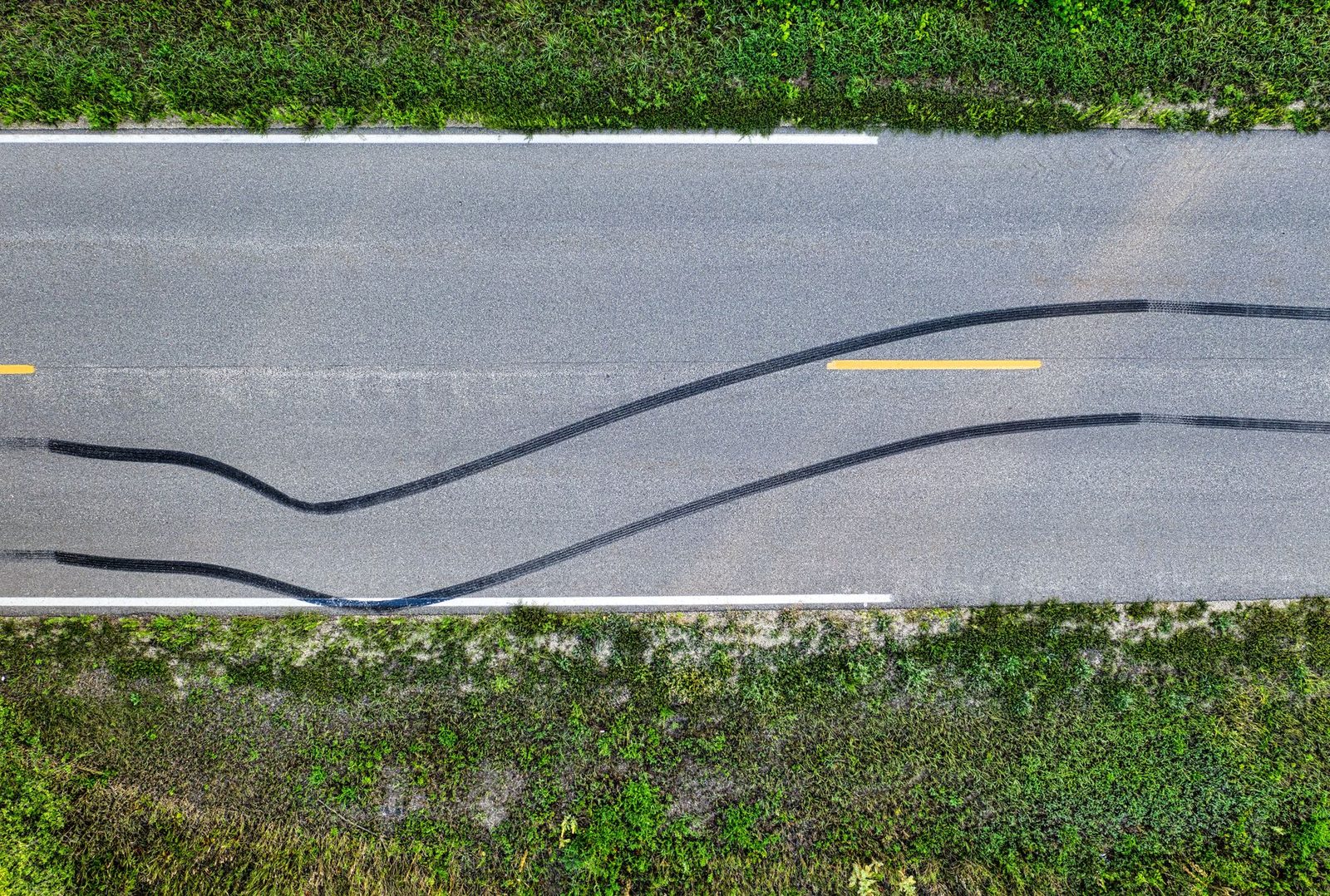
Start with the police report, photos of both vehicles and the scene, and the pattern of damage. Where the cars made contact tells a story. Skid marks, final resting positions and the order of events can show whether the lead driver braked suddenly or changed lanes. Dashcam and traffic camera footage can settle a close dispute when it exists. Witness statements add a neutral account.
Distraction matters too. The Georgia Department of Transportation’s safety materials on fault and evidence state that texting while driving impairs attention and reaction ability in a crash. If either driver was on the phone, that fact can carry weight.
Medical records connect your injuries to the impact. Georgia law sets rules on which medical expenses can be recovered in an injury claim, and how those rules apply depends on the facts of each case. Keep every bill and record in order.
Comparative Fault in Georgia: When Both Drivers Share Blame
Georgia uses modified comparative fault, a shared-blame rule (O.C.G.A. § 51-12-33; Quynn v. Hulsey (2020)). A jury or judge can split fault between drivers, and the injured person’s award shrinks by their share.
The rule works in steps. Under O.C.G.A. § 51-12-33, the trier of fact decides the injured person’s percentage of fault. The judge then reduces the damages in proportion to that percentage. If the injured person is 50 percent or more responsible, the same statute bars any damages.
Here is a simple illustration with round numbers. Say total damages come to $100,000, and the injured driver is found 20 percent at fault. The award drops by 20 percent, to $80,000. Now say the injured driver is found 50 percent at fault. That driver recovers nothing. This is only an illustration, and real cases depend on the facts.
The statute also apportions each liable person’s share. Those shares are not joint, and the trier of fact shall consider the fault of all persons or entities who contributed to the alleged injury or damages, regardless of whether the person or entity was, or could have been, named as a party to the suit; a nonparty’s fault shall be considered if the plaintiff entered into a settlement agreement with the nonparty or a defending party gives notice not later than 120 days prior to the date of trial that the nonparty was wholly or partially at fault. A separate rule, the avoidance doctrine, can bar recovery when the injured person could have avoided the harm with ordinary care, although the rule has exceptions.
Is Georgia a No-Fault State for Car Accidents?
In a Georgia injury claim, fault decides how much you can recover. The apportionment statute ties damages to each person’s percentage of fault for the injury. That means the crash facts drive the amount.
Each at-fault person’s share is their own liability. Damages apportioned under the statute are not joint, and they are not subject to contribution. A claim is measured by each person’s part of the fault. That is why the evidence about each driver’s actions matters so much.
Keep your focus on the facts of your crash. Who braked, who changed lanes, who had a clear view and who had time to stop all shape the percentages. Those percentages then shape the claim.
Not sure what your next step is?
Talk it through with our team — the first consultation is free, confidential, and carries no obligation.
What Not to Tell Your Insurance Company After a Rear-End Crash
Stick to the facts you know, and avoid guessing about fault. The Office of the Commissioner of Insurance and Safety Fire’s Georgia auto claim tips advise promptly notifying police and your insurer. The same guidance warns against statements about fault.
In practice, you can say where the cars were, roughly when the impact happened, and what symptoms you can see. Don’t guess at speed or following distance. Those numbers are easy to misstate, and a guess can be used against you later.
Think carefully before any recorded statement. Read anything you’re asked to sign. Review what was said before agreeing to an early offer. Keep the claim number, the adjuster’s contact details and copies of every medical bill and record.
Reporting the Crash and Georgia’s Filing Deadline
Report the crash to police and your insurer promptly. A police report is often a central piece of evidence in rear-end disputes. It records the scene, the vehicles and the statements made at the time.
For most injury claims, Georgia’s general deadline is two years. Under O.C.G.A. § 9-3-33, actions for injuries to the person “shall be brought within two years after the right of action accrues.” The same statute sets different periods for some other claims. Loss of consortium claims, for example, get four years.
Don’t let the clock run without a plan. Timing depends on the facts of your claim, so the sooner you review them, the better.
Talk With Terance Madden About Your Rear-End Crash
If you were rear-ended and can’t yet tell who the insurer will blame, or you’re still treating injuries while an adjuster asks for a recorded statement, you don’t have to sort out fault alone. Our team at T. Madden & Associates, P.C. can review the facts of your crash with you.
You can reach out through our contact page for a free first consultation. The first consultation is confidential and carries no obligation to continue. The firm works on a no-fee-unless-we-win basis, but you may still be responsible for court costs and case expenses.
Frequently asked questions
Who is at fault when someone rear-ends you in Georgia?
The driver behind is often examined first. Sudden stops, lane changes and reversing can shift some or all of the blame to the driver in front.
Can I still recover if I was partly at fault?
Possibly. Under Georgia’s shared-fault rule, damages are reduced by your share. At 50 percent or more, you recover nothing (O.C.G.A. § 51-12-33; Quynn v. Hulsey (2020)).
How long do I have to file an injury claim in Georgia?
For most injury claims, two years after the right of action accrues. O.C.G.A. § 51-12-33 (Quynn v. Hulsey (2020)) is Georgia’s apportionment statute: it reduces damages in proportion to the plaintiff’s percentage of fault and bars any damages if the plaintiff is 50 percent or more responsible for the injury or damages claimed.
Should I give a recorded statement to the other insurer?
Think before you do. Stick to the facts you know, and review anything before you agree.
This page is general information, not legal advice. Responsible lawyer: Terance Madden, T. Madden & Associates, P.C., practicing since 1999, with offices in Jonesboro, Atlanta, Decatur, Macon and Augusta, Georgia. Contact: https://www.tmaddenlaw.com/contact/
Steps That Can Help Protect Your Claim
Get Medical Care
Even if you feel fine after a rear-end impact, see a doctor promptly. Some injuries, such as neck and back strain, can appear later.
Document the Scene
Photos of both vehicles, the roadway, traffic signals and visible damage can preserve details that fade quickly.
Keep Your Records
Save repair estimates, medical bills, prescriptions, and notes about missed work and daily limitations.
Talk With Us Before Recorded Statements
Insurance adjusters may ask questions that affect your claim. Our team can help you understand what to say and what to hold off on.
Why Injured Georgians Contact Our Firm
Free First Consultation
Your initial consultation is free, confidential and carries no obligation to continue.
No Fees Unless There Is a Recovery
Our fee is contingent on a recovery. You may still be responsible for court costs and case expenses, which we will explain before you decide.
Lawyers Who Are Easy to Reach
Terance Madden and Shenia Madden, along with our team, focus on clear communication about your case from start to finish.
Offices Across Georgia
Meet with us in Jonesboro, Atlanta, Decatur, Macon or Augusta, depending on where you are.
Don't Assume Who Is at Fault
Being hit from behind does not settle who is responsible. Fault in a rear-end crash depends on the facts, including how each driver was operating and what happened before impact. Don't accept a quick conclusion from anyone, including an insurance company, before the facts are reviewed.
Talk With T. Madden & Associates About Your Rear-End Collision
Related practice areas
- Car Accident Lawyer in Clayton County
- What is the definition of personal injury?
- Car Accident Lawyer I-675 Clayton County GA | T. Madden & Associates, P.C.