

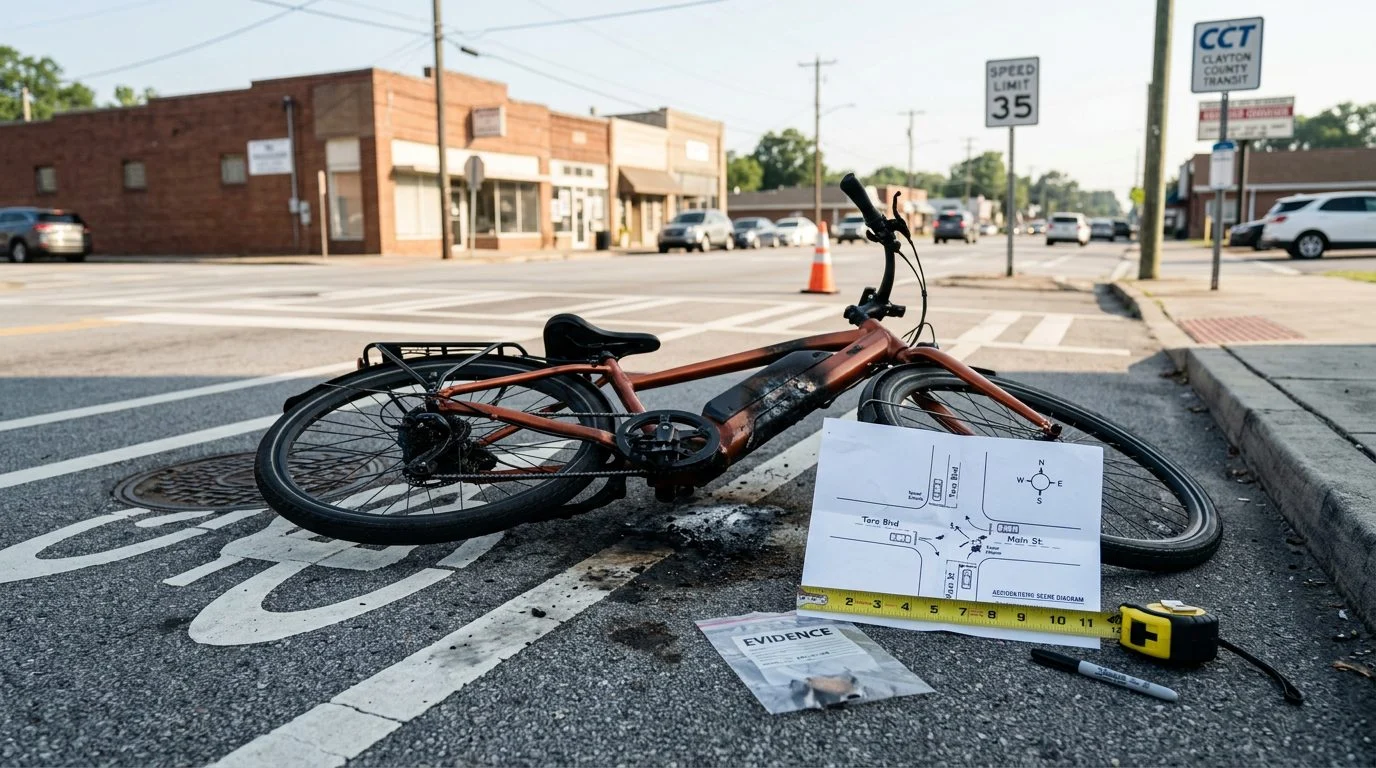
E-bike battery fires | Georgia
Think a defective e-bike battery started your fire? Find out what happened.
A fire can destroy the evidence that shows why it started. Here is how to protect that evidence and get answers from people who know how to read it.
By Terance Madden · Published November 26, 2026
Your home is smoke-damaged. Your e-bike is a melted frame. Now you need to know what started the fire.
The short answer: investigators find where the fire began first. Then they test the battery and everything near it before they name a cause. The burn pattern points to the starting area. It does not name the cause on its own.
The Fire Left Clues. Here Is How to Read Them.
The cause of a fire is a conclusion. Investigators reach it by testing evidence, one piece at a time. They do not reach it from the first photo or the first news story.
Early clues matter most. Water, cleanup and time can wipe out the marks that show where a fire started. A scene cleaned too soon can make the cause harder to prove.
Expect the cause question to take time. A quick answer that skips the testing is not a reliable answer. That is why the first weeks matter. Choices made then shape what can be proved later.
What a Burn Pattern Is and What It Shows
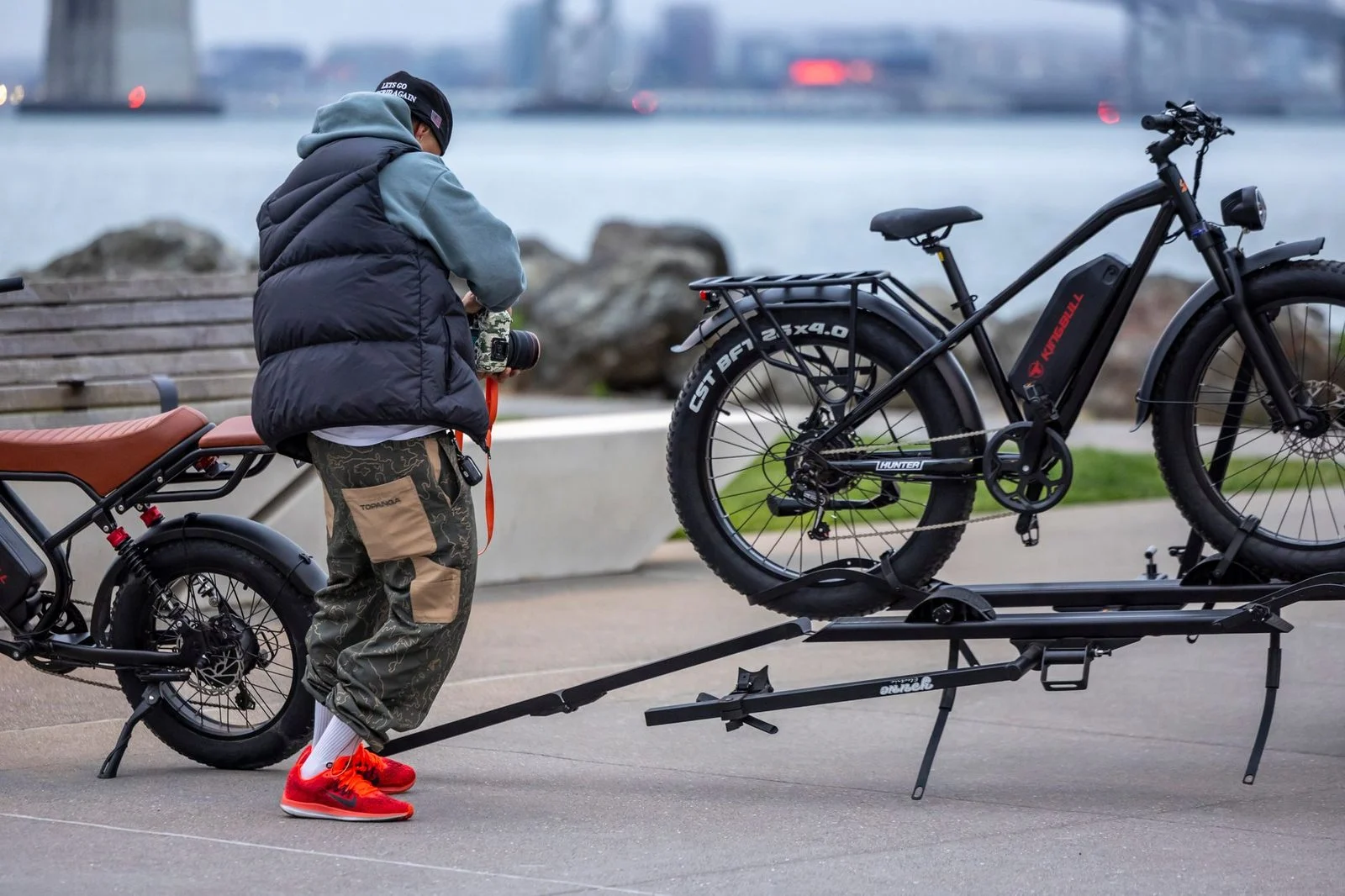
A burn pattern shows where a fire began and how it moved. It does not, by itself, show what started it.
A burn pattern is the mark that heat and flame leave on walls, floors, the bike frame and nearby objects. Fire moves up and out. The heaviest damage and the deepest char often sit closest to where the fire began. Investigators call that spot the area of origin (the place the fire started).
Investigators also read the direction of the heat. They look at how soot settles, how surfaces are scorched and which way the flames reached. They study the area of origin before anything else, because everything else is measured from that point.
Then they ask what sat in that spot. It could be a battery, a charger, a cord, a power strip or a pile of paper.
Here is the limit. A burn pattern can point to a battery sitting in that area. It cannot tell you the battery failed. That takes testing.
Why the Battery Is a Suspect, Not a Verdict
A battery at the area of origin is a suspect. It is not proof.
A lithium-ion battery is a rechargeable pack built from many small cells. When a cell is damaged, shorted or overheated, it can enter thermal runaway (a condition where a cell heats itself faster than it can cool, and the heat feeds on itself).
Investigators do not stop at the battery. They look at the charger and charging cable, the wiring, the bike’s electrical system and any heat source or open flame nearby. They work to rule each one in or out.
Parts matter too. An off-brand charger, a swapped battery or a modified pack can change how the system behaves. Which parts were in use is part of the cause picture.
Terance Madden trained as an electrical engineer. He went on to law school. That training shapes how he works a battery case. He asks what the cells, the charging circuit and the certification marks on the pack actually show. He also works the origin-and-cause evidence to trace where the fire started, then decides which records must be preserved.
The Evidence That Gets Lost First
The battery, charger, cable and bike frame are the evidence most likely to be lost first.
Keep these items in one safe place, away from the home if you can:
- The battery pack, even if it looks ruined
- The charger and charging cable
- The bike frame and any parts that came off in the fire
- Photos and video of the scene, taken as soon as it is safe
Do not throw these items away, clean them or try to repair them. A cleaned or altered scene can make the cause harder to prove.
Paperwork helps too. Gather the original box, manuals, receipts, order confirmations and any warning or recall notice tied to the battery. These records show what was used and where it came from.
If you are the one handling this for your family, you are the one who keeps the list. Write down what you remember. Note when the bike was last charged, where it was plugged in, and what you heard or smelled. Memory fades. A note written soon after the fire is worth more than one written months later.
Who Else Can Be Liable When a Battery Fails
More than one company can share responsibility for a battery fire. The cause work decides which ones.
Product liability is the legal responsibility of the people who design, make, sell or supply a product that causes harm. Under Georgia’s product liability statute, a manufacturer can be liable to a person hurt by a product that was not fit for its intended use when sold.
Georgia treats sellers differently. Under the same statute, a product seller is not treated as a manufacturer for strict liability purposes. In Alltrade, Inc. v. McDonald, the Court of Appeals explained that a company that only labels a product as its own, with no input into its design or making, is a product seller.
The Supreme Court of Georgia held that this limit does not bar a claim that a maker negligently failed to warn of a danger it knew or should have known about, in Chrysler Corp. v. Batten.
A cause investigation may point to several parties. These include the battery pack maker, the cell maker, the charger maker, the bike maker, the seller and any repair or modification shop. Each one may carry its own insurance. That can mean more coverage is available to pay a claim. The firm looks at every party and every coverage layer.
What Big Insurance Will Argue About the Cause
Big Insurance often argues that the owner caused the fire. That argument can shrink what it pays, or stop payment altogether.
Expect these moves:
- The blame story: the charging habits, the charger used or a “modified” battery.
- The early recorded statement, taken before anyone understands the evidence.
- The quick, low offer, made before the cause is known.
- The delay, with the claim “still being looked at” for months.
- The claim that the damage was minor or that the battery was not the source.
Keep three points in mind. The insurer is not on your side. A first offer is rarely what a claim is worth. The firm can look at what the evidence supports and pursue the claim.
Georgia’s fault rules matter here. The cause question can decide the case.
The response is to look at every coverage layer. That includes liability policies, homeowner or renter policies, umbrella or excess policies and the product maker’s coverage. For a serious injury or a death, the claim must account for lifetime damages, not just the first bills.
Common Questions About E-Bike Battery Fires
How do I tell if an e-bike battery is bad?
Swelling, heat, odd smells and a cracked case are warning signs. Stop charging and using the battery, and keep it away from living space.
Are lithium batteries a cause of fires?
Yes. A lithium-ion battery can start a fire when a cell is damaged, shorted or overheated. Carroll County’s battery safety guidance covers warning signs and safe practices.
Is it okay to leave an e-bike battery charging overnight?
Unattended charging carries more risk. Berkeley’s fire guidance on lithium batteries recommends charging precautions, and you should follow the manufacturer’s instructions for your battery.
What to Do Next If the Battery May Have Started the Fire
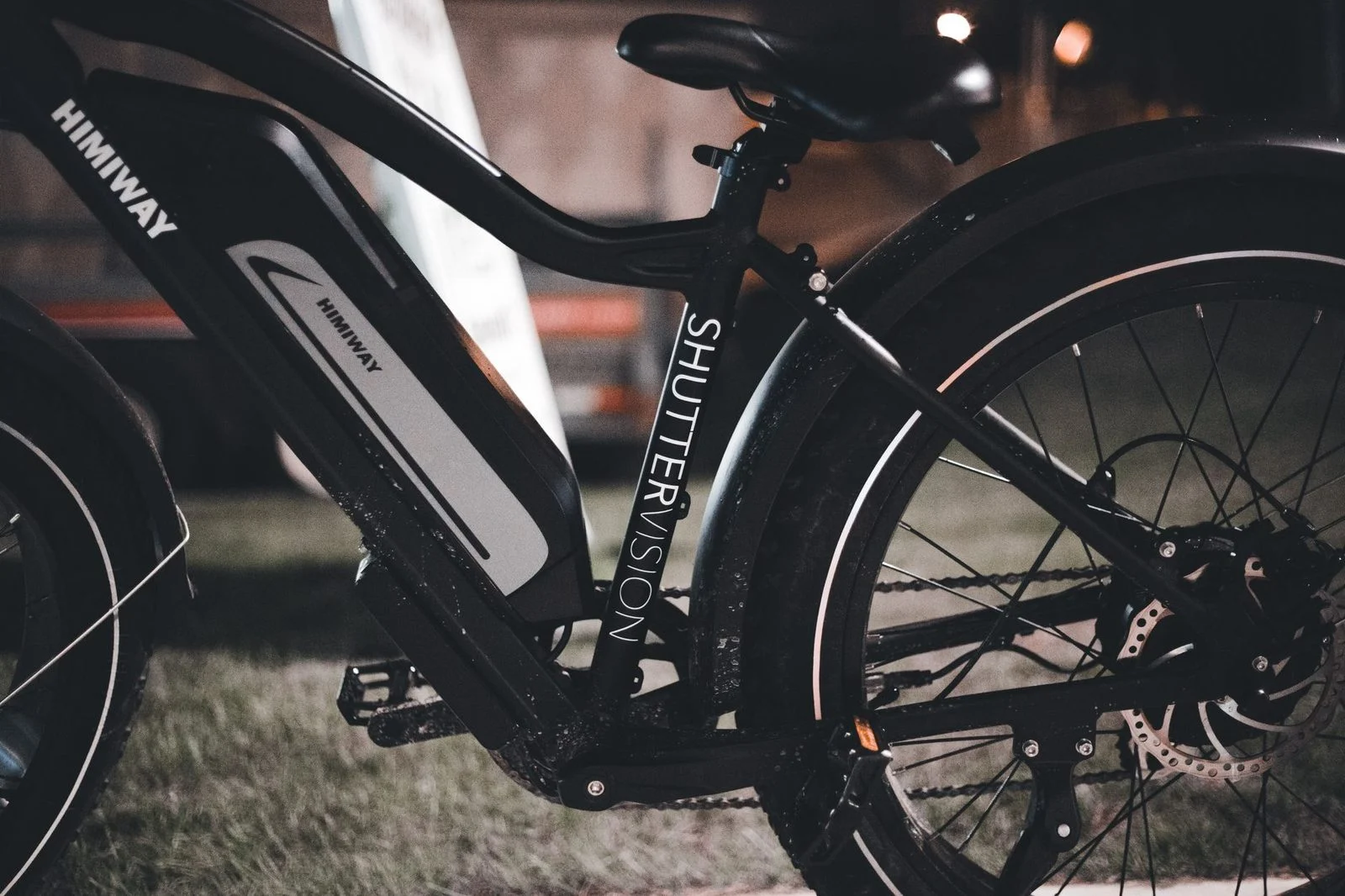
If the battery may have started the fire, your next decisions involve evidence, statements and deadlines.
Under § 9-3-33, a personal injury suit generally must be brought within two years after the right of action accrues, except one year for injuries to reputation and four years for actions involving loss of consortium. Actions for injuries to personal property have a four-year deadline under § 9-3-31 in the same code title.
Three decisions come first. Decide whether to keep the battery and the charger. Decide whether to give a recorded statement to anyone. Decide whether the battery’s maker or seller belongs in the claim.
Terance Madden has practiced law since 1999. If a battery fire hurt you or someone in your family, or a family member died in one, the firm can walk through the evidence and the claim with you. Start a free case evaluation. The initial consultation is free, confidential, and carries no obligation to continue. La consulta inicial es gratuita, confidencial y sin compromiso de continuar.
Related practice areas
- E-Bike Accident Lawyer in Georgia
- E-Bike Accident Lawyer in Clayton County
- E-Bike Accident Lawyer in Jonesboro
- Who’s Responsible for an E-Bike Battery Fire in a Rental?