

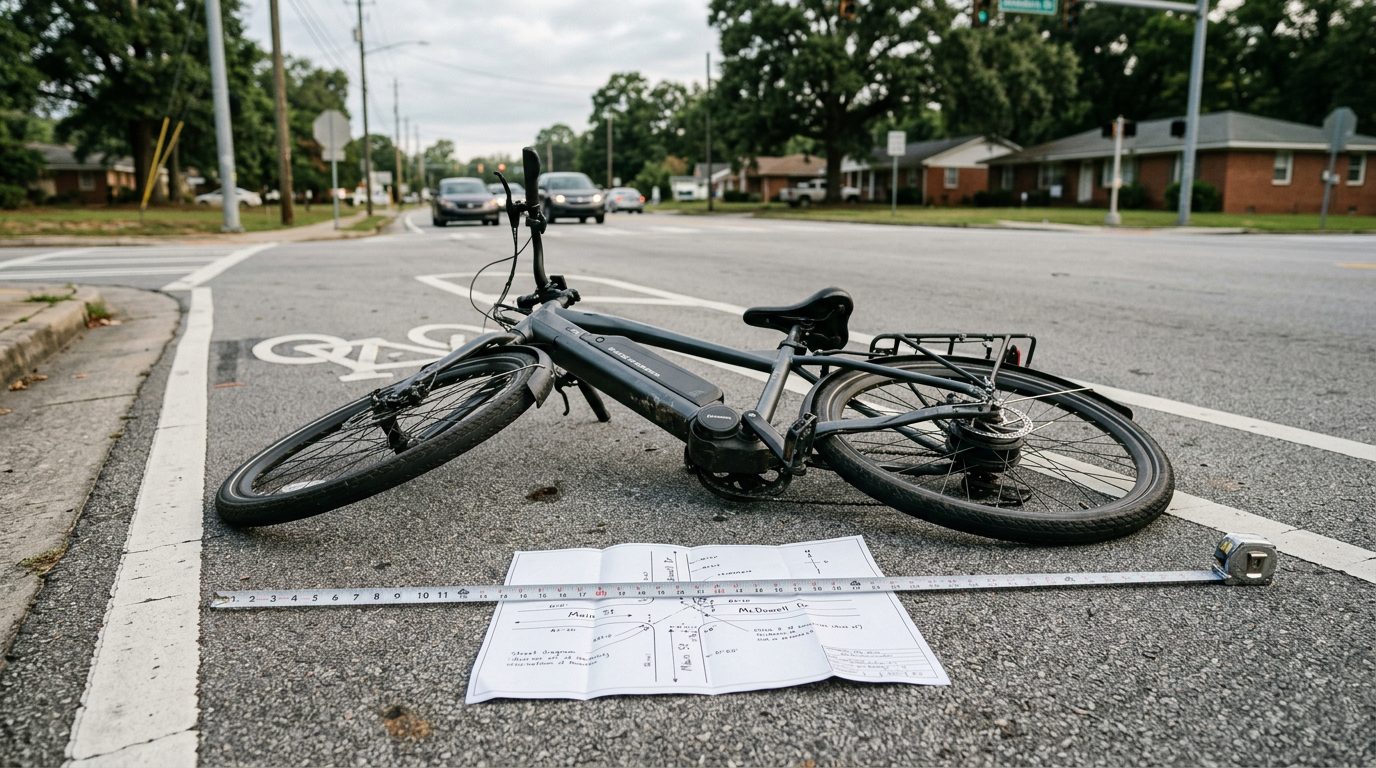
E-Bike Crash Lawyer | Jonesboro, Atlanta, Decatur, Macon & Augusta
Hurt on an e-bike in Georgia? Whether you wore a helmet does not decide whether you can seek recovery.
T. Madden & Associates, P.C. has represented injured Georgians since 1999, and the first consultation is free.
The firm at a glance
1999
Year the firm began practice
5
Georgia offices
24/7
Phone line for injured clients
$0
Free first consultation, no obligation
By Terance Madden · Published November 12, 2026
You were hurt on an e-bike, and now someone is asking whether you wore a helmet. That question can feel like a trap. It is often the first thing Big Insurance raises.
Here is the short answer. Not wearing a helmet does not automatically end an e-bike claim in Georgia. It becomes a question of fault and damages, and the facts of your crash decide how much it matters.
A Missing Helmet Is Not an Automatic Bar
A missing helmet does not, by itself, bar an e-bike injury claim in Georgia. The real questions are who caused the crash and how much the injury depended on the helmet choice. For the bigger picture, read our Georgia e-bike claim guide.
If you are the spouse, mother or adult daughter keeping the files, you are carrying this too. Keep copies of every letter, bill and call log. Those papers matter later.
Hurt in an e-bike crash caused by someone else, and the helmet question is already on the table? You may have a claim, and our team offers a free first consultation to talk it through. Talk it through with our team — the first consultation is free, confidential, and carries no obligation.
How Georgia Fault Works in an E-Bike Crash
Georgia assigns each person a share of fault, and a rider who is 50 percent or more at fault cannot recover. Fault means responsibility for the crash. The trier of fact (the jury, or the judge when there is no jury) sets each share. Under Georgia’s apportionment statute, the award drops by the rider’s percentage. A rider at 50 percent or more gets nothing.
Each liable person pays only their own share. The fault of every person who contributed counts, even someone never named in the suit.
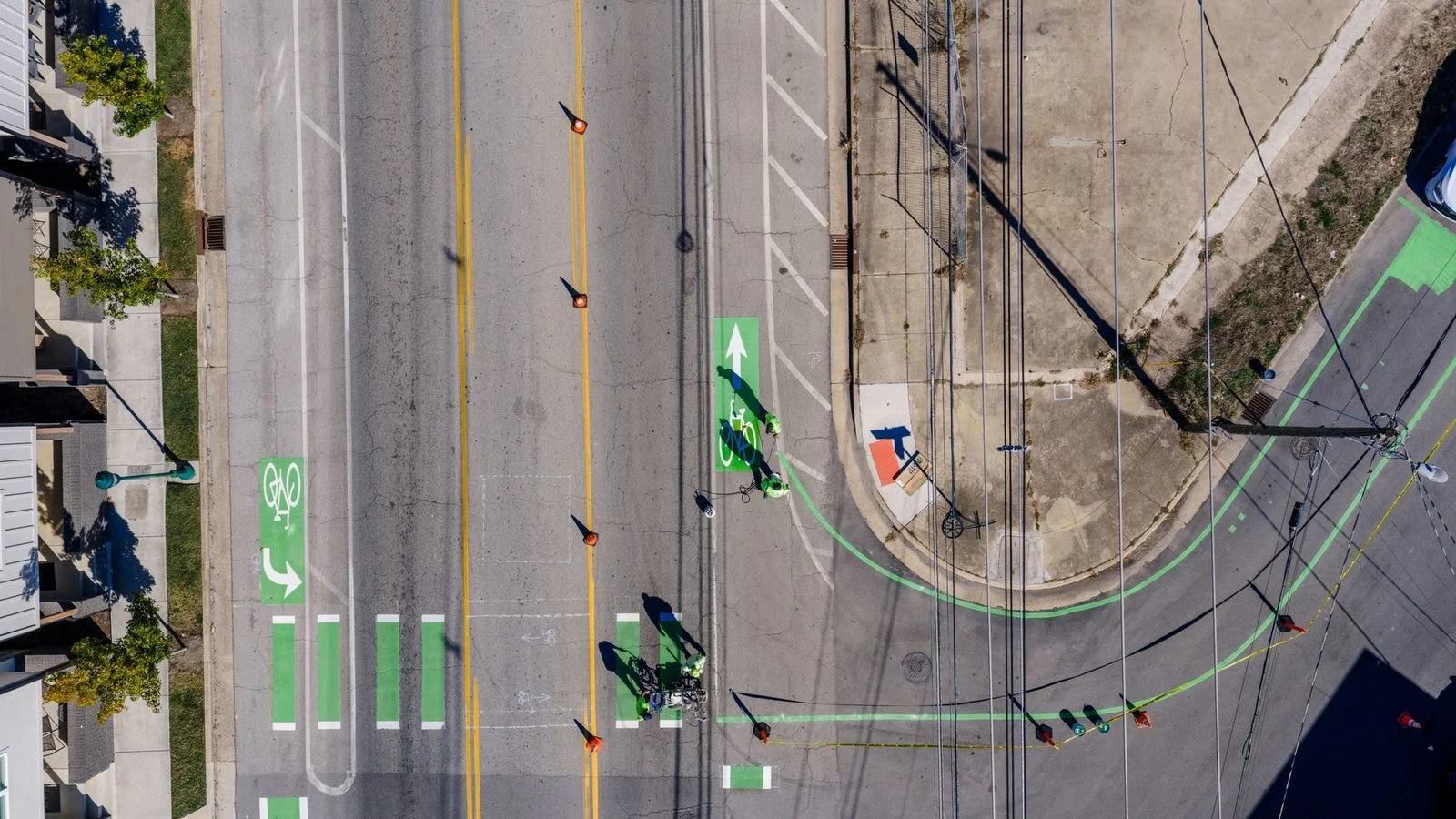
A driver who turns left in front of a rider, or opens a door into a bike lane, can carry its own share of fault.
Georgia also has an avoidance rule. If a plaintiff by ordinary care could have avoided the consequences of the defendant’s negligence, the plaintiff cannot recover. In other cases, the defendant is not relieved just because the plaintiff contributed. Georgia’s avoidance rule is one place a helmet argument can show up.
The helmet rule in Georgia’s motorcycle headgear statute is written for motorcycle helmet standards riders. On an e-bike, the helmet point is a question of fault and damages.
Why Big Insurance Brings Up the Helmet
Big Insurance raises the helmet early because it can lower the value of a claim on paper. Expect a few tactics.
Expect a quick call asking for a recorded statement, which is an audio record of your answers that can be used later. Slow down before you give one. Expect a lowball offer, a low first number meant to close the file cheaply. Expect the ‘it would not have mattered’ argument, which claims a helmet would not have changed the injury. Expect delays in approving treatment and a fight over whether the head injury came from the crash at all.
An insurer’s first offer is rarely what a claim is worth. Georgia law also sets rules for written settlement offers in motor vehicle injury claims. Georgia’s settlement offer statute requires the offer’s payment date to be at least 40 days after it is received. The recipient may ask for clarification in writing, and that request is not a counteroffer.
Before anyone responds to an offer, it should be checked against the medical records and every coverage layer.
What the Evidence Shows: Helmet, Speed and Impact
The helmet question gets answered by evidence, not by assumptions.
Terance Madden trained as an electrical engineer before law school. He starts a case by asking what the evidence shows and how the crash happened. That habit shapes how the firm reads an e-bike file, down to the data.
The useful evidence is concrete. It includes the bike’s battery and controller data, and any phone app records of speed, if they exist. It includes scene photos, marks on the road, and damage to the bike and the other vehicle. It includes the other vehicle’s speed and path. Each piece answers a physics question: what struck what, how fast, and from which direction.
Whether a helmet would have changed the injury is a medical question as much as a physical one. The answer comes from the medical records and the treating doctors’ notes, not from an insurer’s say-so. Keep the bike, the helmet if you still have it, and every photo. Evidence that disappears early is hard to get back.
Damages a Claim Can Still Cover
A claim can cover far more than the first medical bills.
General damages are losses the law presumes, such as pain and suffering. They can be recovered without proof of any amount. Special damages are losses that must be proved, such as medical bills and lost pay. Georgia’s damages statute draws that line. Medical bills are limited to the reasonable value of medically necessary care, under Georgia’s medical expense statute.
Future needs are handled differently. Under Georgia’s present value statute, the trier of fact may reduce future losses to present value, which is what future money is worth today. It may use a 5 percent rate or another rate it finds appropriate. That is why a serious head injury is valued on future care, not only the first bills.
The clock matters too. For injuries to the person, Georgia’s time limit statute says actions generally must be brought within two years after the right of action accrues, except for actions for injuries to the person involving loss of consortium, which shall be brought within four years after the right of action accrues.
If you are managing a recovery, records are part of the work. Under Georgia’s medical records statute, a provider must furnish a requested record within 30 days. The request needs a HIPAA authorization and a signed written authorization. If the patient has died, the request order runs through the executor or administrator, then a surviving spouse, then a surviving child, then a parent.
Every Coverage Layer Gets Looked At
Every insurance layer that might apply should be checked, not just the first policy.
Start with the at-fault driver’s liability coverage, which pays for harm that driver caused. Then check your own coverage. Georgia’s uninsured motorist statute requires insurers to offer uninsured motorist coverage on auto policies, and a policyholder may reject it in writing. That coverage can pay when the at-fault driver has no insurance. Underinsured motorist coverage can help when the at-fault driver’s limits are too low. Umbrella policies (extra liability coverage above the usual limits) and excess policies can add more. If a business owns the vehicle or property involved, corporate coverage may apply.
Other liable parties can include a maker of the bike or battery, a repair shop, or a property owner. Each one can mean more insurance, and each one needs its own review.
Not sure what your next step is?
Talk it through with our team — the first consultation is free, confidential, and carries no obligation.

If You or Your Loved One Was Hurt on an E-Bike
A missing helmet is one question among many, and it can be answered with facts.
Can I still recover money after an e-bike crash if I wasn’t wearing a helmet in Georgia?
Possibly. The helmet is a question of fault and damages under Georgia’s comparative fault rules, not an automatic bar.
Does not wearing a helmet reduce my settlement in Georgia?
It can, if the evidence ties the helmet choice to your share of fault or to your injuries. The facts decide how much it matters.
How long do I have to file?
For injuries to the person, the deadline is generally two years, under O.C.G.A. § 9-3-33, the time limit statute cited above.
Terance Madden and the firm have practiced since 1999. The firm has offices in Jonesboro, Atlanta, Decatur, Macon and Augusta. The firm works on a no-fee-unless-we-win basis, but you may still owe court costs and case expenses.
If a crash left you or someone you love hurt, and the helmet question is already on the table, you do not have to face it alone. Start with a free first consultation, which is confidential and carries no obligation to continue.