

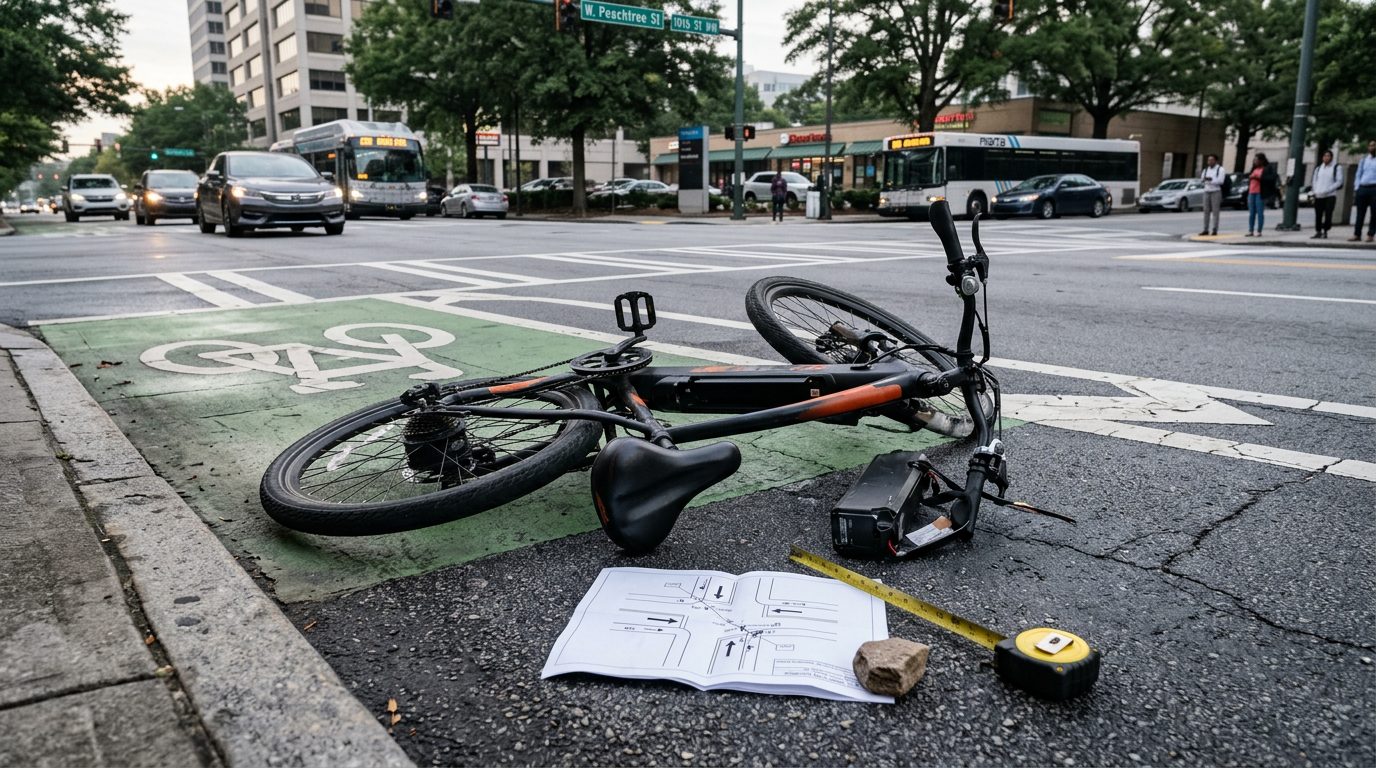
E-bike crash claims in Georgia
Hurt on an e-bike? Talk to a lawyer before you hand over your phone data.
Insurers sometimes ask for texts, app logins and ride records early. Here is what that request means and how to answer it.
T. Madden & Associates, P.C.
Since 1999
Representing injured Georgians
5
Offices: Jonesboro, Atlanta, Decatur, Macon and Augusta
24/7
Call us any time
By Terance Madden · Published November 12, 2026
You were hurt on an e-bike, and now an insurance adjuster wants your ride data. You need to know what it shows and how it will be used.
Yes, an insurer can ask for it, and it is often used to push your claim’s value down. The data is one piece of the case, not the whole story.
Short answer: yes, they can ask, and it is not the whole story
An insurer can ask for e-bike ride data, and that request is often a negotiating move. A request for data, phone access or app logins is not a routine form. Get advice before you hand anything over.
Raw numbers need context. A speed reading or a GPS dot on a map rarely shows how a crash happened. Liability means the legal responsibility for harm someone else caused. The questions that usually matter most in a bike crash claim are who was at fault and how the crash happened.
If you were hurt on an e-bike and an adjuster is asking for your ride data, you don't have to answer it alone. T. Madden & Associates offers a free, confidential first consultation with no obligation to continue. Talk it through with our team — the first consultation is free, confidential, and carries no obligation.
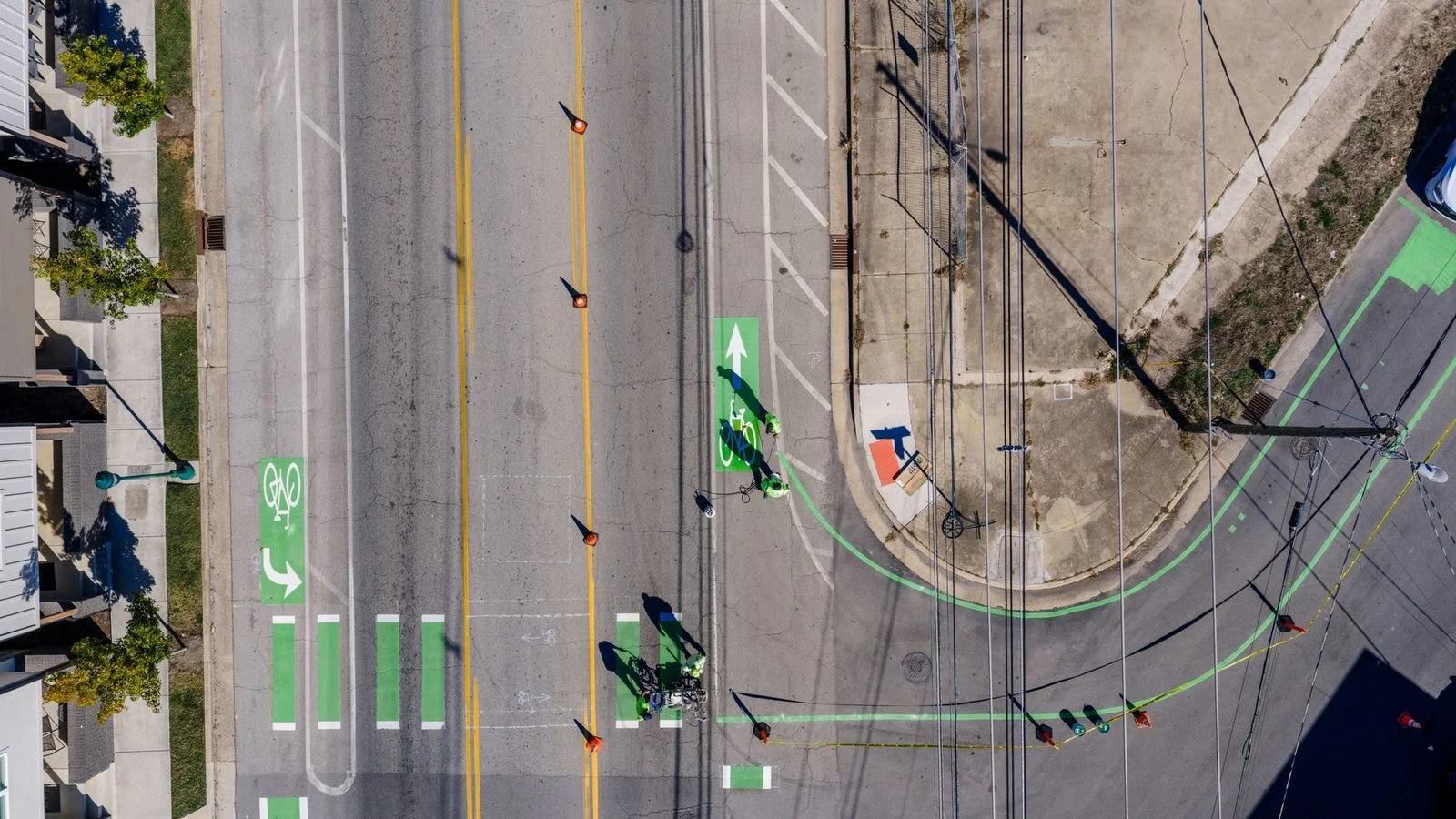
What e-bike ride data may exist
Some e-bikes log information. The motor controller, the battery management system or a companion app may record speed, power use, GPS trail and ride time. Whether your bike recorded anything, and what it captured, turns on the bike model, the app settings and the crash itself.
Other sources can matter too. Your phone may hold location history and app activity. Nearby cameras may have caught the crash. The other vehicle may have an event data recorder (EDR), a device that stores speed and braking data around a crash.
Protect the evidence now. Keep the bike, battery, charger and phone as they are. Do not delete apps, clear histories or repair the bike before the data is saved. Store the battery safely and leave it alone. Your own app data can help your claim as well as hurt it, so it should be read in full, not guessed at.
How Big Insurance uses ride data to lower a claim
Big Insurance adjusters often open with a low offer. They may pick a speed number that looks high on paper and argue the crash was not serious. The goal is to shrink the claim before your injuries are fully known.
Watch for four common moves. The first is the recorded statement. A short call can cause problems when you guess at speed, timing or what you were doing. The second is a demand for full phone data, app history or years of ride logs that go far beyond the crash. The third is delay. The fourth is the “low impact” argument, which uses a small speed change to claim your injuries are small. Some will also dispute whether your treatment was needed.
Here is the response. A first offer is rarely what a claim is worth. Do not accept it, and do not sign a release before you have the full picture.
What the data does not decide: how the crash happened and who is responsible
Terance Madden trained as an electrical engineer before he went to law school. Before law school, he trained as an electrical engineer. He starts a case by asking what the evidence shows, how the crash happened, and which records exist and must be preserved. With ride logs, he checks when each number was recorded and whether it matches the path of the bike and the other driver’s movements.
A speed reading is one number. The path of the bike, the point of impact, the braking and the other driver’s movement tell the story. That is why a single figure rarely decides a claim.
Georgia uses a modified comparative fault rule, which means shared fault. Under O.C.G.A. § 51-12-33, the judge reduces damages by the rider’s percentage of fault. A rider who is 50 percent or more responsible recovers nothing. Each liable person owes its own share, not a joint liability.
Other parties may be liable too. The motor vehicle driver, a rental company, a maintenance vendor, or a maker of a battery or brake part may each carry its own insurance. Each one can add a coverage layer.
Protecting the claim: the steps for the person managing the recovery
Often the person handling the calls, paperwork and appointments is a spouse, mother or adult daughter. That person needs a simple system. Keep one notebook or one email thread for every insurer contact. Write down the crash details while they are fresh: time, place, weather and what the rider saw.
Save photos, every medical record and bill, and the messages about the ride. Keep a plain log of symptoms, appointments and missed work. It shows what the injury took from daily life. Hold off on recorded statements until you have advice.
Also watch the calendar. For most personal injury lawsuits, Georgia’s deadline is generally two years from when the right to sue arises, under O.C.G.A. § 9-3-33. Do not treat a long timeline as a reason to wait.
Every coverage layer is worth checking
Pursuing what is owed means checking every layer of coverage. Start with the at-fault driver’s liability coverage. Georgia law sets out that coverage in O.C.G.A. § 33-7-11. Check any umbrella or excess liability policy too, because the uninsured motorist coverage that O.C.G.A. § 33-7-11 requires excludes umbrella or excess liability policies unless affirmatively provided for in such policies or in a policy endorsement, and check corporate coverage when a company is responsible.
Homeowners and renters policies come up in e-bike claims often. Whether one applies turns on the policy wording. Check it instead of assuming it covers the crash.
Big Insurance tends to focus on the first bills. A serious injury can cost for years, through future care, lost work and daily help. The firm looks at the full lifetime cost of the injury. It prepares every claim as if it will go to trial, even when talks start with a settlement offer.
Not sure what your next step is?
Talk it through with our team — the first consultation is free, confidential, and carries no obligation.
Talk with T. Madden & Associates before the insurer sets the value
If you are the one on the phone with the adjuster, you are carrying a lot. The rider is hurt, the bills keep coming, and an insurance company wants data nobody in the house fully understands.
Can the insurer make me hand over my phone?
Get advice before you give phone access or app logins. A request like that is a negotiating step, not a routine form.
Does Georgia still pay if I was partly at fault?
Georgia may still allow a recovery, reduced by your share of fault (O.C.G.A. § 51-12-33; Quynn v. Hulsey (2020)). At 50 percent or more at fault, you recover nothing.
Before you give any statement or data to the insurer, start a free case evaluation with T. Madden & Associates, P.C. The first consultation is free, confidential and comes with no obligation to continue. The firm takes injury claims on a no-fee-unless-we-win basis, but you may still be responsible for court costs and case expenses.