

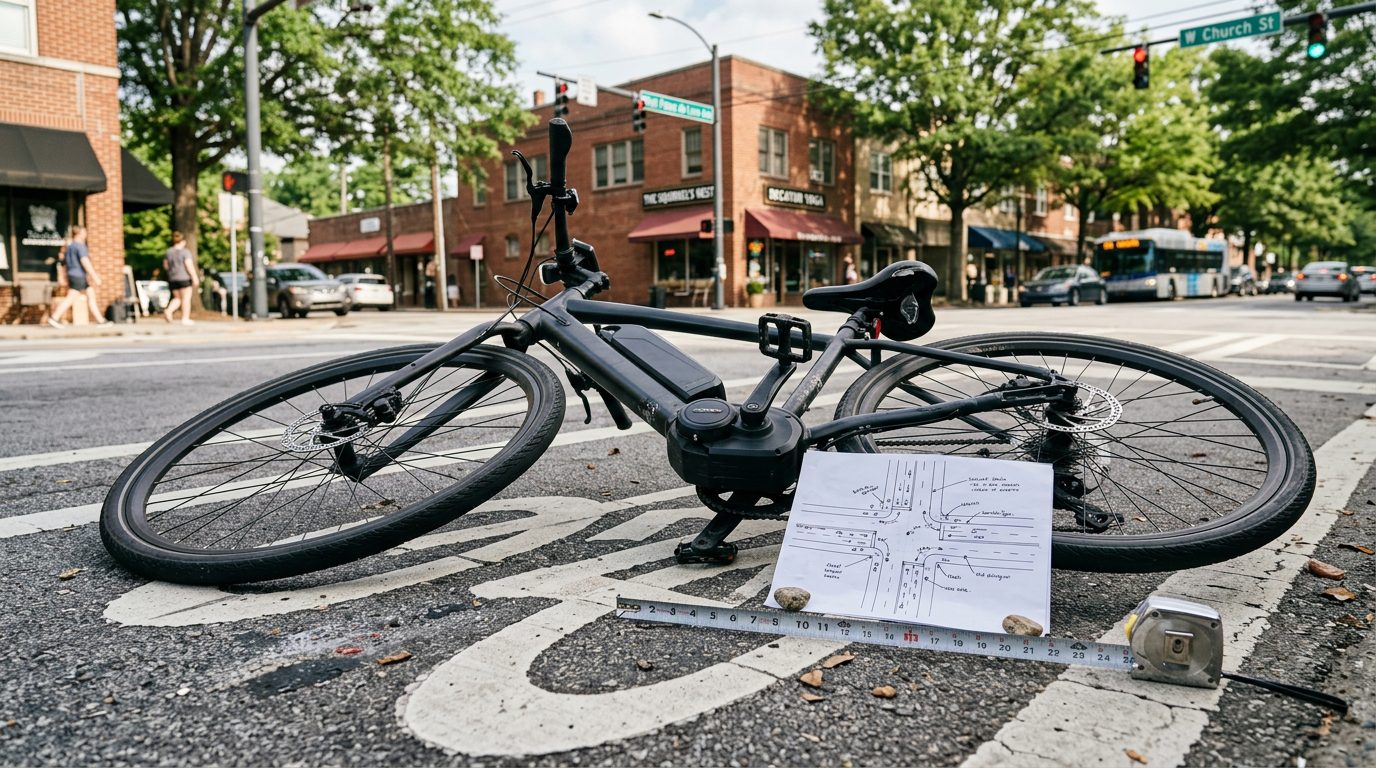
E-bike crash lawyer | Georgia
Missed work after an e-bike crash? Start with your lost wages.
A crash can cost you your paycheck as well as your health. Terance Madden has helped Georgia families sort out those losses since 1999.
T. Madden & Associates, P.C.
1999
Practicing law in Georgia
5
Offices in Georgia
24/7
Ways to reach the firm by phone
By Terance Madden · Published November 15, 2026
If an e-bike crash has you off work, the lost paychecks can hurt as much as the injury. Many families are sorting pay stubs and doctor’s notes while the rider is still healing.
To prove lost wages after an e-bike crash in Georgia, you need records. Those records must show what you earned before the crash, the time the injury kept you from working, and the money you lost because of it.
Why Lost Wages Need Proof, Not Just a Pay Stub
Pay stubs and a letter from your employer can help show the income you lost because of the injury. Lost wages are income you didn’t earn because the crash kept you from working. Lawyers call this a special damage, meaning a loss that actually flows from the crash. O.C.G.A. § 51-12-2 says special damages “must be proved in order to be recovered.”
General damages work differently. The law presumes they flow from a wrong, and they can be recovered without proof of any amount. Lost pay sits on the other side of that line.
Often, a spouse, mother or adult daughter ends up gathering this file. That person does it while the rider is in pain, scheduling appointments and taking calls. You don’t need legal training to start. You need a clear plan.
The proof is built from several records that tell the same story. Each one can be checked against the others. When the dates and dollars line up, the claim is much easier to support.
If an e-bike crash has your loved one off work and the paperwork is piling up, our team can review the file with you. Talk it through with our team — the first consultation is free, confidential, and carries no obligation.
Start With the Medical Record That Ties the Crash to Time Off Work
Your doctor’s notes are the link between the crash and the days you missed. Ask the provider to state that the injury came from the crash, the dates you were off work, and any limits on your job, such as no lifting or long shifts on your feet. Vague notes like “unable to work” leave room for doubt. Specific notes close it.
Gaps in care are the next weak spot. Big Insurance may argue that a long wait for treatment means the time off came from something else. Keep every appointment you can. If you miss one, write down why.
The police or sheriff’s crash report helps too. It fixes when and where the crash happened, so the medical timeline has a fixed starting point. It doesn’t tell the whole story, but it anchors it.
Before law school, Terance Madden trained as an electrical engineer, with a B.S. in Electrical Engineering. He starts a case by asking what the evidence shows and how the crash happened. On an e-bike claim, that means matching the scene, the report, photos and the care timeline against the work dates, one record at a time. An engineer’s habit of checking every link in a chain helps show that the missed days follow from the crash.
Employee Records: Pay Stubs, W-2s, and the Employer Letter
Your employer’s records prove what you earned and what the crash took away. Start with recent pay stubs, your W-2 forms for the last few years, your tax returns, and your work schedule or timesheets from before the crash.
Next, ask your employer for a letter. It should confirm your job, your pay rate, the dates you missed, and any lost overtime, bonuses or benefits. Ask HR or a supervisor to write it, and ask early, while memories and files are fresh.
Check every number before the file goes out. If the W-2, the pay stubs and the letter don’t match, Big Insurance will point to the gap. A small mismatch can turn into a long fight over credibility.
Keep copies of leave requests, sick-day and paid time off records, and texts or emails about covering shifts. They show the time off was real, requested and tied to the injury.
Self-Employed and Gig Riders: Proving Income Without a Paycheck
If you work for yourself or drive for an app, your proof comes from your business records. No pay stub exists, so the file has to tell the income story another way.
Gather invoices, bank deposits, Form 1099 forms from clients or platforms, business ledgers, booking or route history, and prior tax returns. Those show what you typically earned before the crash.
A steady history matters most. A pattern across months or years makes it easier to show what the crash took away. A sudden drop with no earlier pattern is harder to explain.
Track what changed after the crash. Cancelled jobs, lost routes, and clients who moved on are part of the proof. Write each one down with a date and the reason. Keep your numbers consistent with what you filed on your tax returns.
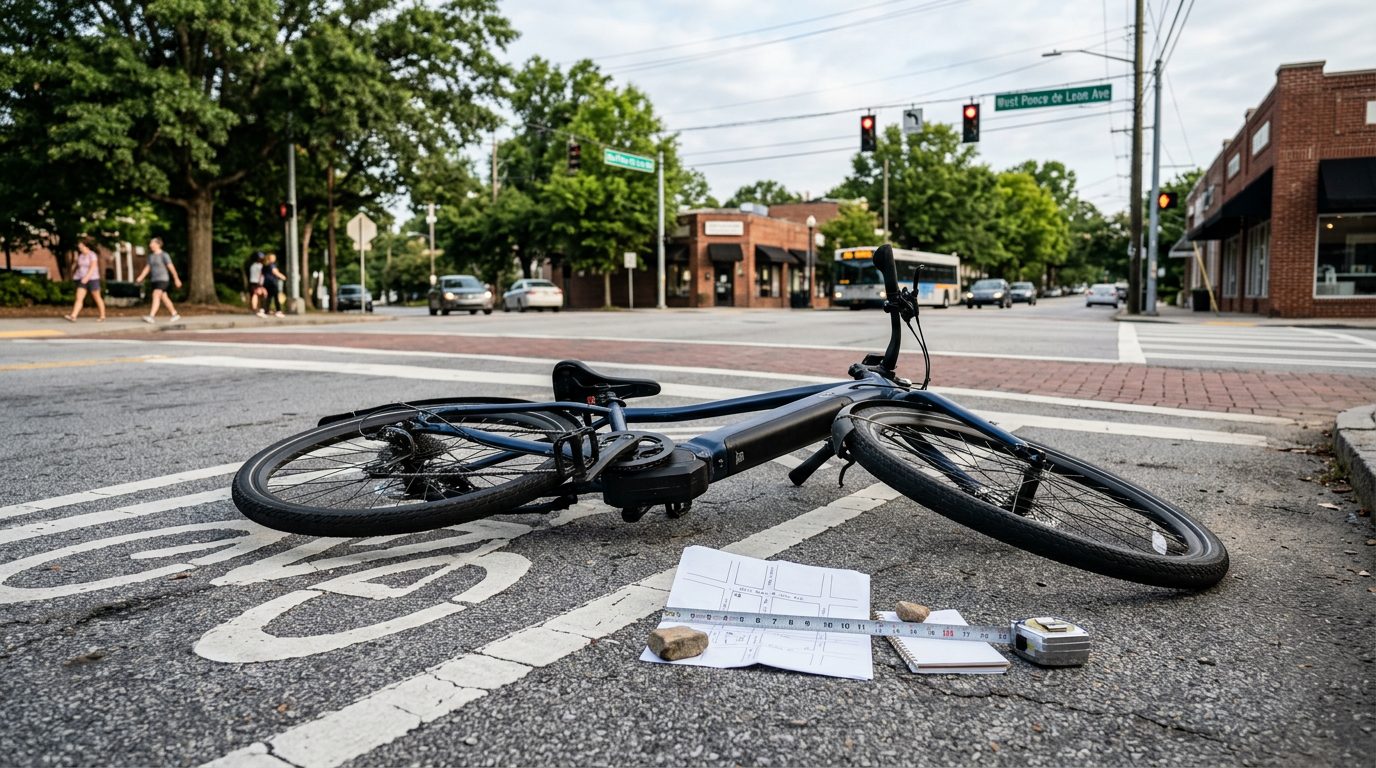
What Big Insurance Does With Lost-Wage Claims
Big Insurance is not on your side, and a first offer is rarely what a lost-wage claim is worth. Expect fast requests for pay records and early calls asking for a recorded statement. Those words can be used against you later.
Other tactics are common. Expect questions about gaps in work history. Expect the “light duty is available” argument, which says you could have worked another job, so the missed pay isn’t the crash’s doing. Expect delays and disputes over treatment.
The response is a complete file. Get written work limits from the doctor. Keep the proof current as the injury changes. Prepare the claim as if it may go to trial.
Every coverage layer may matter. Georgia requires an auto liability policy issued in the state to include an uninsured motorist endorsement, which covers certain injuries caused by an uninsured driver. Umbrella, excess and corporate coverage can also come into play. The firm pursues what is owed under each one.
Lost wages can include future income if the injury cuts your ability to earn. Big Insurance may also argue you share the blame. Under Georgia law, a plaintiff who is 50 percent or more responsible recovers no damages, as the Quynn v. Hulsey decision explains.
Keeping a Simple Recovery Paper Trail
Keep one folder or digital file, and update it every week. Put in doctor visit summaries, pay records, travel receipts for appointments, and every insurance letter.
Keep a dated log. Write down missed shifts, pain levels, and tasks you can’t do. That log ties each missed day to the injury in plain words.
Log every call too. Write the date, the name of the person you spoke with, and what was said. Notes made the same day are easier to defend than memory weeks later.
Records take the right paperwork. Georgia law lets a person authorized under a durable power of attorney for health care ask for a complete, current copy of the patient’s record. The provider must furnish a requested record within 30 days once the request comes with the required signed authorization.
Before giving a recorded statement or signing a release, the injured person should talk with a lawyer. A release can close the claim before the lost income is known.
Not sure what your next step is?
Talk it through with our team — the first consultation is free, confidential, and carries no obligation.
When the Lost-Wage Question Needs a Lawyer’s Review
Whether your lost wages can be recovered depends on the facts of the crash, the injury and your work history. The file should be reviewed with those facts in view, and sooner is better.
T. Madden & Associates, P.C. has practiced in Georgia since 1999. The firm represents people hurt in e-bike crashes and works on a no-fee-unless-we-win basis, though you may still be responsible for court costs and case expenses. The initial consultation is free, confidential, and carries no obligation to continue. The firm has offices in Jonesboro, Atlanta, Decatur, Macon and Augusta, and Terance Madden is the responsible lawyer for this page.
If an e-bike crash has your loved one off work and the paperwork is piling up, the firm can review the file with you. Start a free case evaluation when you’re ready.
Frequently Asked Questions
Can I recover lost wages after an e-bike crash in Georgia?
You may be able to. Lost wages are the pay you missed because of your injuries, and they can be part of a claim against the person or company whose fault caused the crash.
What proof do I need for lost wages after an e-bike crash?
Keep pay stubs, your work schedule, and a letter from your employer showing the days you missed and your pay rate. Your doctor’s notes showing you could not work are also key evidence.
How long do I have to file a lost wages claim in Georgia?
Georgia generally allows two years from the date of injury to file a personal injury lawsuit under O.C.G.A. § 9-3-33. Lost wages are part of that claim, so acting early protects your options.
What if I was partly at fault for my e-bike crash?
Georgia uses modified comparative fault, which reduces your recovery by your percentage of fault. Under O.C.G.A. § 51-12-33, you are barred from recovering if you are 50% or more at fault. Call T. Madden & Associates, P.C. for a free consultation to talk through how the facts of your crash may apply.