

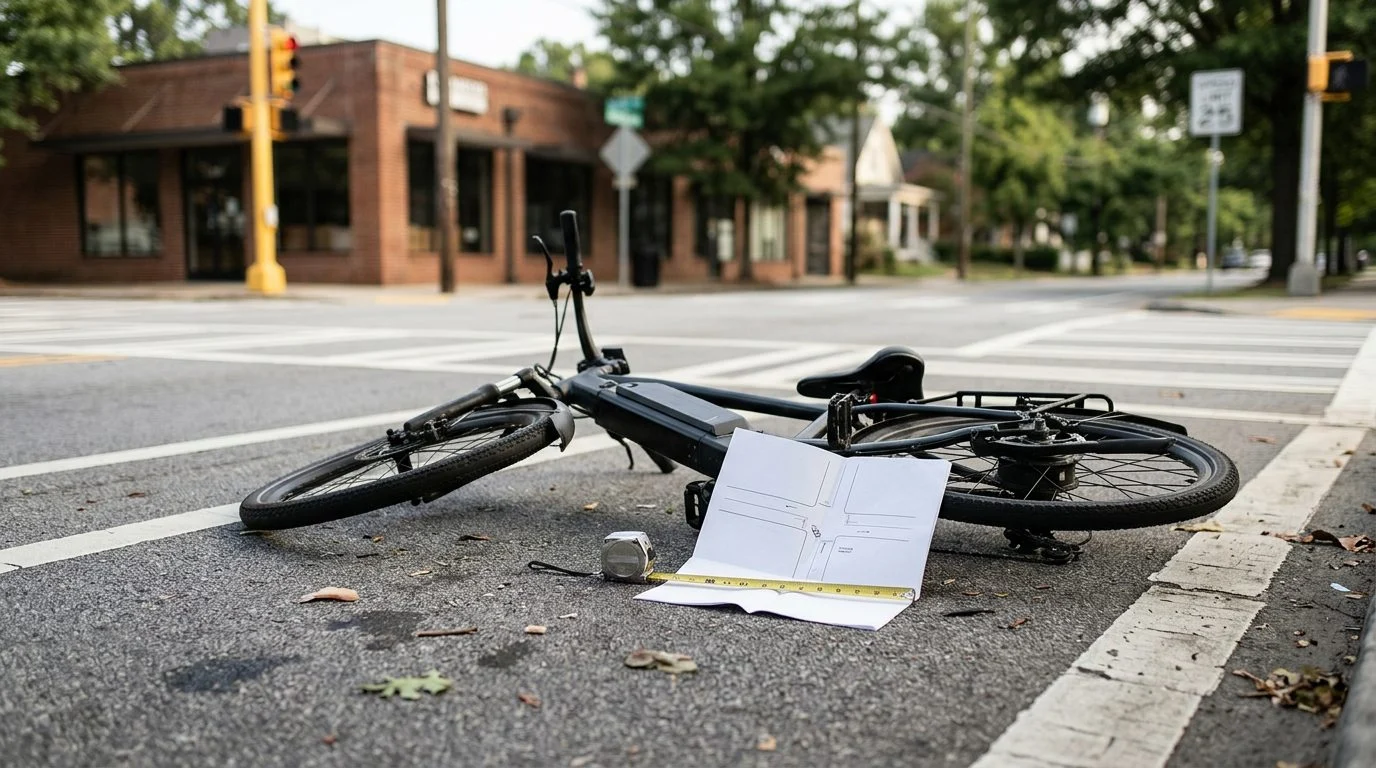
E-Bike Crash Lawyer · Georgia
Your Teen Was Hurt on an E-Bike. Here Is What to Do Next.
Parents often have questions in the first hours and days. Here is a clear plan, and a team ready to answer your calls around the clock.
Serving Georgia families
1999
Year the firm began practice
5
Georgia offices: Jonesboro, Atlanta, Decatur, Macon and Augusta
24/7
Phone line open around the clock
By Terance Madden · Published November 11, 2026
Your teen came home hurt after an e-bike crash, and now you’re the one keeping track of everything. The first days matter most.
Get medical care first, make sure the crash is reported, protect the bike and the evidence, and keep records before you talk to any insurance company.
This guide walks through each step for a Georgia family. It’s a plan you can follow while the rest of life keeps moving.
Get Your Teen Checked Out First
Medical care comes first, even if your teen says they feel fine. Teens often say they’re okay in the moment, especially with friends watching.
Ask the doctor to check for head and internal injuries, even when nothing looks broken. Some symptoms show up hours or days later, so watch your teen closely at home.
Tell the doctor exactly how the crash happened. Say how fast the bike was moving, what your teen hit and whether a car was involved. The doctor’s notes become part of the record of what happened.
Keep every visit record, discharge paper and prescription in one folder. Save the name of each provider too. You’ll need those details when the bills arrive.
If your teen was hurt in an e-bike crash someone else caused, you don't have to sort out the insurance calls alone, and the firm offers a free first consultation with no obligation to continue. Talk it through with our team — the first consultation is free, confidential, and carries no obligation.
Call 911 and Get the Police Report
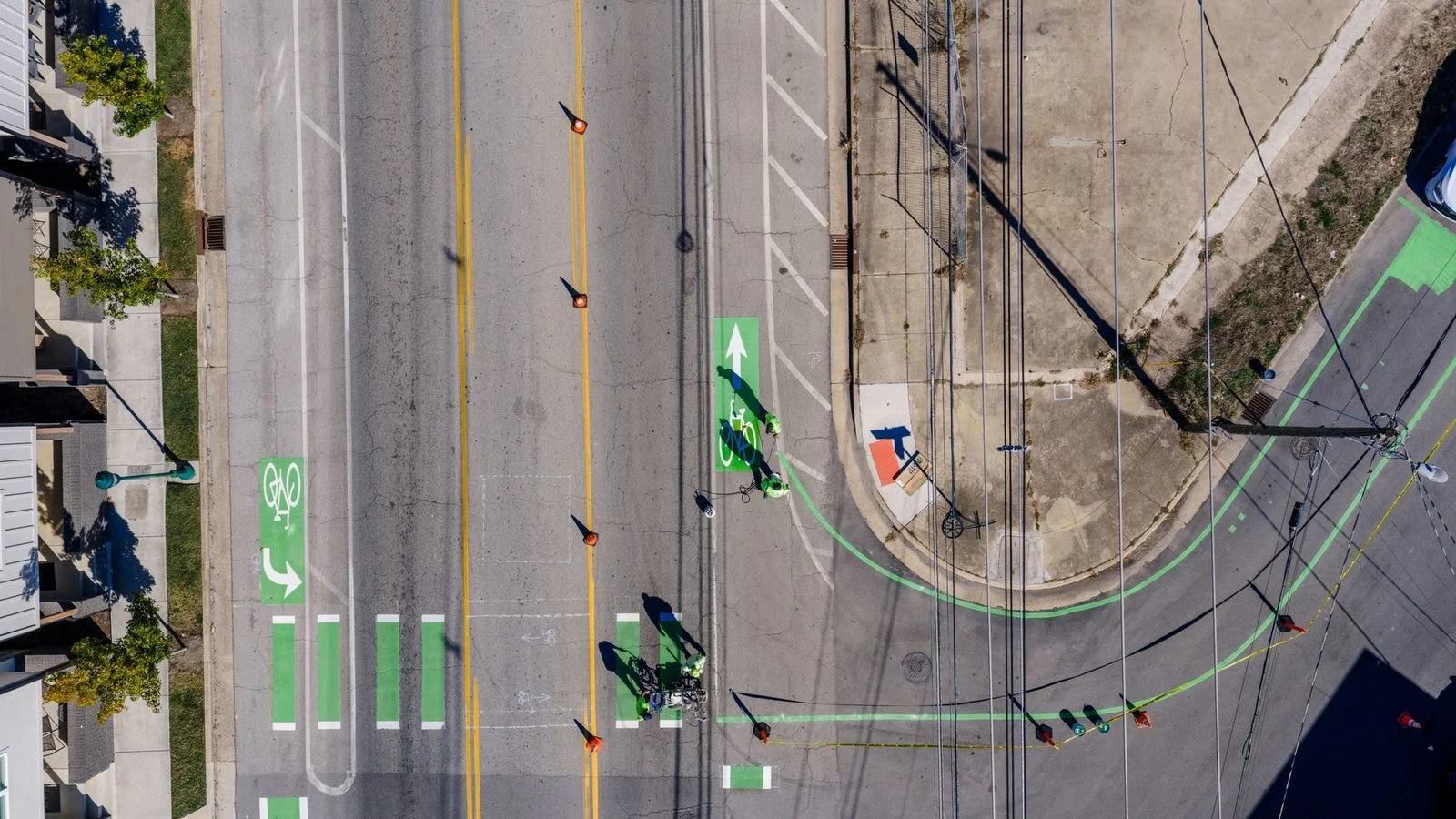
Call 911 from the scene when your teen is hurt, and ask an officer to write a report.
Georgia law requires the driver in a crash involving injury to give notice right away. The driver must notify local police, or the county sheriff or state patrol outside a city, by the quickest means available. The duty is set out in O.C.G.A. § 40-6-273. The same duty applies to a crash causing property damage of $500.00 or more.
Get the officer’s name, badge number and the report number. Write down the names and phone numbers of every driver and witness before they leave.
Write down what your teen remembers while it’s fresh. Let your teen say what they recall, and don’t fill in details for them. Ask how to get a copy of the report once it’s filed.
Preserve the Evidence Before the Bike Is Repaired or Sold
Keep the bike and its battery as they are until the facts are reviewed. A repair, a quick resale or a trip to the dump can erase the proof.
Photograph the bike, the helmet, the damage, the road, traffic signs and the spot where the crash happened. Take pictures from several angles, and again a few days later. Save texts, social media posts and messages about the crash, with dates showing.
Here’s what the hardware can show. A lithium battery, a motor controller and a brake system each leave signs of how they were working. Damage patterns can point to impact speed. Brake and controller condition can show whether a part failed or was never maintained. Those answers can point to other liable parties, such as a battery seller, a brake or repair shop, or the bike maker. More liable parties can mean more insurance.
He reads technical evidence like this himself and explains what the parts show in plain words.
Track Every Cost and Missed Day
Keep a running log of every bill, receipt and missed day, starting the first week.
Georgia law treats necessary expenses from an injury as a legitimate part of the damages estimate. O.C.G.A. § 51-12-7 says so in plain terms. Medical costs are limited to the reasonable value of medically necessary care, under O.C.G.A. § 51-12-1.1.
Ask every provider whether your teen was treated under a letter of protection (a promise to be paid from a later settlement or judgment). The law makes those arrangements relevant and discoverable, so write down who referred your teen.
Log the date, what happened, who you spoke with, what it cost and what your family gave up. Include rides to therapy, school days missed and time you took off work to care for your teen.
Some harms must be proved with records. The law treats them as special damages, and O.C.G.A. § 51-12-2 draws that line. Your log is the proof.
Before Anyone From Big Insurance Calls You
Big Insurance is not on your family’s side, and a first offer is rarely what a claim is worth.
Expect tactics. An early low offer may arrive before your teen’s treatment is finished. A caller may ask for a recorded statement, which can be used later. Claims may stall, treatment may be disputed, and a crash may be called “low impact” to shrink its value. Your teen’s real injuries may not be fully known yet.
Don’t give a recorded statement or sign a release until you’ve talked to a lawyer.
Georgia has a specific rule for written settlement offers on motor vehicle claims. The statute lists the material terms of such an offer as the only material terms, and they include a date to accept that is at least 30 days from receipt, the claims to be released, a payment date that is at least 40 days from receipt, and a sworn statement about the recipient’s insurance unless the offeror waives it. The offer must be sent by certified mail or statutory overnight delivery, return receipt requested. The same statute says a written request for clarification is not a counteroffer, but seeking to modify the terms under paragraph (1) of subsection (b) of this Code section shall not be deemed a clarification. Keep every letter, email and call note.
Which Insurance May Be Available
More than one policy may pay, so look at every layer, not just the first one offered.
Liability coverage comes from the at-fault driver or the property owner. Your family’s own auto policy may include uninsured or underinsured motorist coverage. O.C.G.A. § 33-7-11 requires an endorsement for bodily injury caused by an uninsured motor vehicle’s owner or operator. Under O.C.G.A. § 33-7-11(b)(1)(B), the term “insured” also covers the named insured’s spouse and relatives who live in the same household. Whether that coverage applies to a given crash depends on the facts.
Umbrella and excess policies can add to the limits. Other parties, such as a battery seller or a maintenance shop, may carry their own coverage.
Fault can also be shared. Under O.C.G.A. § 51-12-33, a judge reduces damages in proportion to the injured person’s share of fault. If that person is 50 percent or more responsible, no damages are recoverable. Each at-fault party pays its own share, not a joint share.
Not sure what your next step is?
Talk it through with our team — the first consultation is free, confidential, and carries no obligation.
How Technical Evidence Shows What Happened
Technical evidence can show speed, power and whether a part failed, and an engineer can explain it in plain words.
Crash physics matters. How fast a rider and bike are moving changes how hard they hit. Scuff marks, bike damage and where things came to rest can help estimate that speed.
A lithium battery, a motor controller and a brake system work together. Reading them takes training in electrical systems. Terance Madden’s B.S. in Electrical Engineering is that training, and he uses it when a claim turns on what a machine did.
Keep the battery and controller with the bike, not in a separate box. Tell the firm what you have, where it is and who has touched it since the crash.
Talk to the Firm About Your Teen’s Case
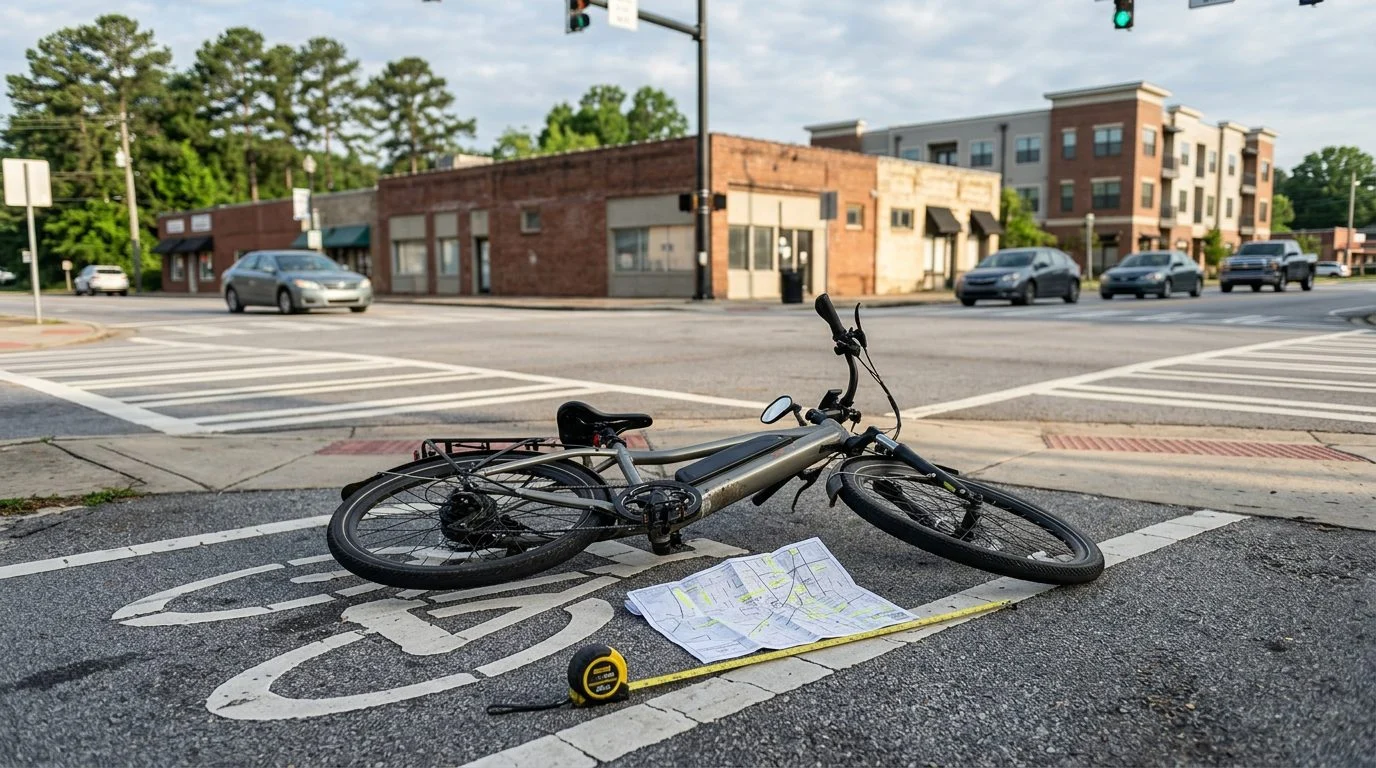
If another driver or a property owner caused your teen’s crash, the next step is a conversation with T. Madden & Associates, P.C.
For e-bike crash cases, the firm works on a no-fee-unless-we-win basis, but you may still be responsible for court costs and case expenses. The first consultation is free, confidential and carries no obligation to continue.
Bring the medical records, the police report number, your photos and your expense log. The firm has practiced since 1999 and has offices in Jonesboro, Atlanta, Decatur, Macon and Augusta.
What should I do first after my teen’s e-bike crash?
Get your teen medical care first, then make sure the crash is reported to police. Keep the bike and battery as they are.
Does Georgia require an e-bike crash to be reported?
Georgia law requires the driver in a crash involving injury to give notice right away. The duty is set out in O.C.G.A. § 40-6-273.
Can an insurance company ask my teen for a recorded statement?
An insurer can ask. Don’t give one until you’ve talked to a lawyer about your teen’s injuries and claim.
Hurt in a crash that someone else caused? Your family doesn’t have to face the insurance calls alone. You can request a free case evaluation with T. Madden & Associates, P.C.
Related practice areas
- E-Bike Accident Lawyer in Georgia
- E-Bike Accident Lawyer in Clayton County
- E-Bike Accident Lawyer in Jonesboro
- E-Bike Crash Data: Controller and App Evidence in Georgia