

Lithium battery fire lawyer · Georgia
Your phone exploded. Here is what to do next.
Get safe first, protect the evidence, then talk with a Georgia lawyer who reads the facts of a fire like an engineer would.
T. Madden & Associates, P.C.
1999
In practice since
5
Georgia offices: Jonesboro, Atlanta, Decatur, Macon, Augusta
24/7
Call us anytime
By Terance Madden · Published November 14, 2026
Your phone just hissed, swelled or started smoking, and you need to know what to do right now. Get everyone away from it and call 911 first.
After the fire is out, the next steps protect your health, your evidence and your options. Here’s what to do, in order.
Get Everyone Away From the Phone and Call 911
Move people and pets away from the phone, then call 911.
If you can do it from a safe distance, set the phone on a hard, non-flammable surface like tile or a metal sink. Keep it away from couches, beds, curtains and paper. Don’t hold it, pocket it or carry it around the house.
Don’t fight a battery fire with guesswork. Get outside or into another room, close the door, and let the fire department handle it.
Then check everyone for burns, trouble breathing and smoke exposure. Smoke can hurt a person even when the flames look small, so get checked by a doctor, even if no one looks badly hurt.
If a phone battery fire has left someone you love hurt, you don't have to sort out the calls and bills alone, and the firm can talk it through with you. Talk it through with our team — the first consultation is free, confidential, and carries no obligation.
Warning Signs a Phone Battery Is Failing
A swollen, hot or hissing phone is a failing battery, so stop using it at the first sign.
Watch for these:
- The screen lifts away from the frame, or the back bulges.
- The case won’t close, or the phone rocks on a flat table.
- The phone gets hot during normal use or while charging.
- It hisses, pops or gives off a sharp chemical smell.
- It shuts off on its own, charges slowly or runs hot while sitting idle.
Don’t wait to see if it gets worse. Stop using it, and stop charging it.
Why Phone Batteries Overheat and Swell
Heat, overcharging, physical damage and cheap chargers can make the cells inside a phone battery fail. A lithium-ion battery (a rechargeable battery that packs a lot of energy into tightly spaced cells) can overheat when those cells break down.
Common causes include:
- Leaving the phone on the charger for long stretches.
- Hot cars, direct sun and high heat.
- Charging under a pillow or blanket, which traps heat.
- Off-brand chargers and cables that send the wrong power.
- Drops, cracks and an aging battery.
Each of these causes leaves a trail, which is why the evidence matters later. If a fire has already started, read what happens after a battery fire for the next steps.
What a Punctured or Crushed Battery Can Do
A punctured or crushed battery can damage the cells inside and lead to a fire. Never puncture, bend, crush or pry at a battery, and never charge a damaged phone.
If the phone is swollen but cool, store it in a cool, dry spot away from anything that burns. Ask the fire department how to dispose of it safely, and follow what they tell you.
A bulging battery is a warning, not a cosmetic problem.
Save the Phone and Proof Before Anything Is Thrown Away
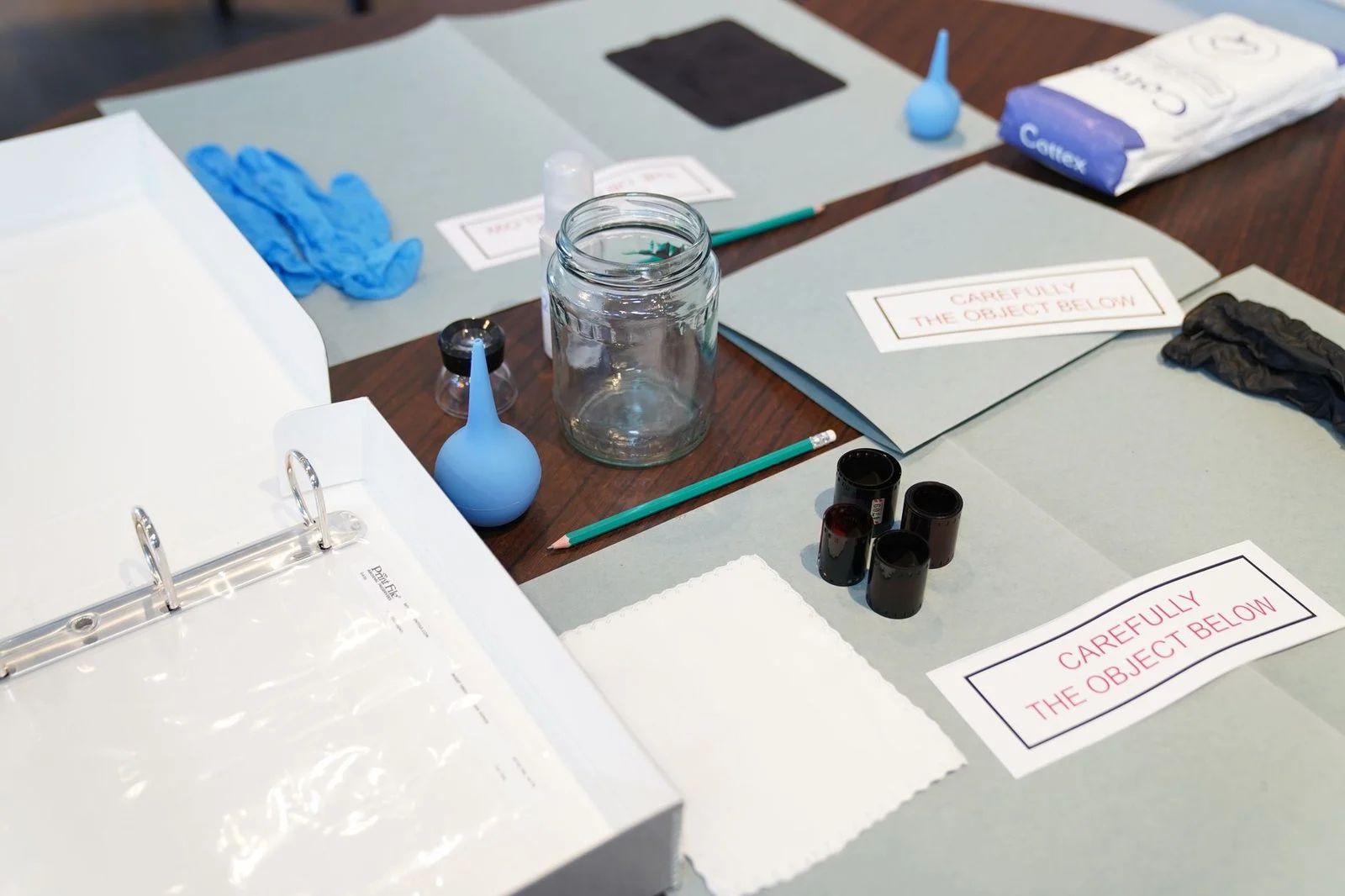
Keep the phone, charger, cable, box, receipts and photos, because they are the evidence of what happened. Don’t toss the phone in the trash, even if it looks ruined.
Write down:
- The date, time and place the fire or smoke happened, and what was plugged into the phone.
- Names of anyone who saw or heard it, and the fire report number if one was made.
- Every medical record, bill and note about missed work.
Georgia treats necessary expenses from an injury as a legitimate part of the damages estimate under O.C.G.A. § 51-12-7.
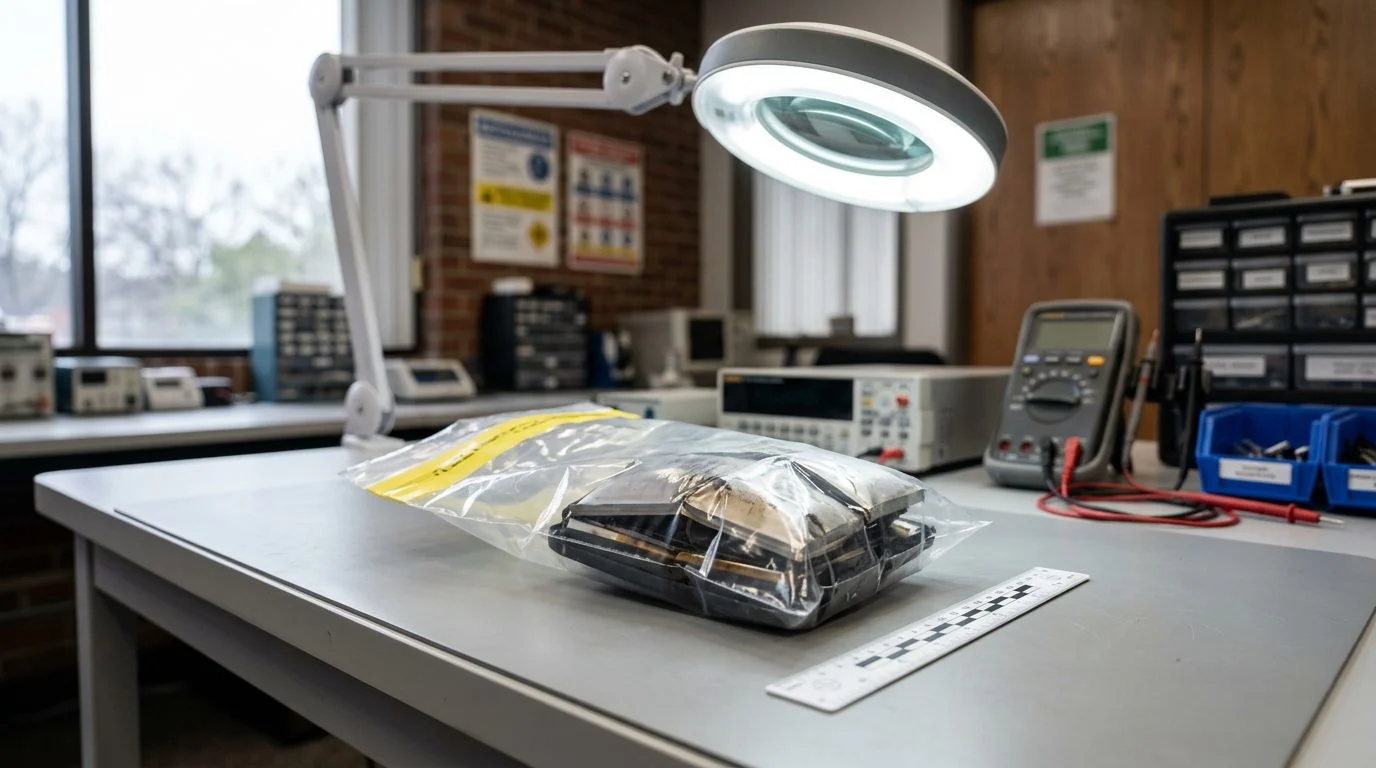
Terance Madden earned a B.S. in Electrical Engineering before he went to law school. He reads a battery case the way an engineer reads a failed circuit. He asks what the evidence shows: the cells, the charging circuit, the certification marks on the charger, and where the fire started. Those items need to be kept intact before anyone has a reason to lose them.
Georgia’s product liability law can reach more than one company. Under O.C.G.A. § 51-1-11, a manufacturer that sold a product as new can be liable in tort, even without privity, to a natural person who may use, consume, or reasonably be affected by the product and who suffers injury to his person or property because the product when sold by the manufacturer was not merchantable and reasonably suited to the use intended, and its condition when sold is the proximate cause of the injury. A seller is treated differently. Under O.C.G.A. § 51-1-11, the manufacturer of personal property sold as new shall be liable in tort, irrespective of privity (a direct contract between the parties), to any natural person who may use, consume, or reasonably be affected by the property and who suffers injury to his person or property because the property, when sold by the manufacturer, was not merchantable and reasonably suited to the use intended, and its condition when sold is the proximate cause (the legal cause) of the injury sustained, but no action under this rule can be started more than ten years after the date of the first sale for use or consumption of the product that caused the injury; under O.C.G.A. § 51-1-11.1(b), in a product liability action based in whole or in part on strict liability in tort, a product seller is not treated as a manufacturer and is not liable as one. Under O.C.G.A. § 51-1-11.1, this section applies to all causes of action accruing on or after July 1, 1987. The ten-year limit counted from the first sale of the product that caused the injury is in O.C.G.A. § 51-1-11, not this section.
Big Insurance is not on your side. Expect early requests for a recorded statement, a quick low offer, delays, and “it was only a small fire” arguments. An insurer’s first offer is rarely what a claim is worth. The firm pursues every coverage layer that applies, including liability, UM/UIM, umbrella, excess and corporate coverage, and it looks at the full lifetime cost of the injury, not just the first bill. Talk to the firm before you give any recorded statement.
Get Medical Care, Then Request the Records
Get medical care right away, and a family member may be able to request the records later under Georgia law.
If you’re the one making the calls and sitting by the bed, you didn’t choose this, and you’re carrying a lot. Under O.C.G.A. § 31-33-2, upon written request, a patient, or a person authorized through an advance directive, psychiatric advance directive, or durable power of attorney for health care, can get a complete and current copy of the record, but if the provider reasonably determines that disclosure to the patient will be detrimental to the patient’s physical or mental health, the provider can decline to hand over the record; in that case, upon the patient’s written request, the record must be furnished to any other provider the patient designates. If the patient has died, the request can come from the executor, administrator, or temporary administrator for the decedent’s estate if one has been appointed; if none has been appointed, from the surviving spouse; if there is no surviving spouse, from any surviving child; and if there is no surviving child, from any parent. The provider must furnish the record within 30 days when the request comes with the required authorizations.
How long do I have to file a claim in Georgia?
Georgia generally gives two years to bring an action for an injury to the person, under O.C.G.A. § 9-3-33 (Cameron v. JMP Pizza). Count from the date the right of action accrues, and don’t let that date slip while you wait on insurance.
Can I still recover if I was partly at fault?
Georgia reduces your damages by your share of fault. Under O.C.G.A. § 51-12-33, a plaintiff who is 50 percent or more responsible recovers nothing (Quynn v. Hulsey).
The firm works on a no-fee-unless-we-win basis, but the client may still be responsible for court costs and case expenses.
If a phone battery fire has left someone you love hurt, you don’t have to carry the calls and bills alone. The firm, led by Terance Madden and in practice since 1999, has offices in Jonesboro, Atlanta, Decatur, Macon and Augusta. Reach out any time, 24/7, to request a free case evaluation with the firm. The first consultation is free, confidential and comes with no obligation to continue.