

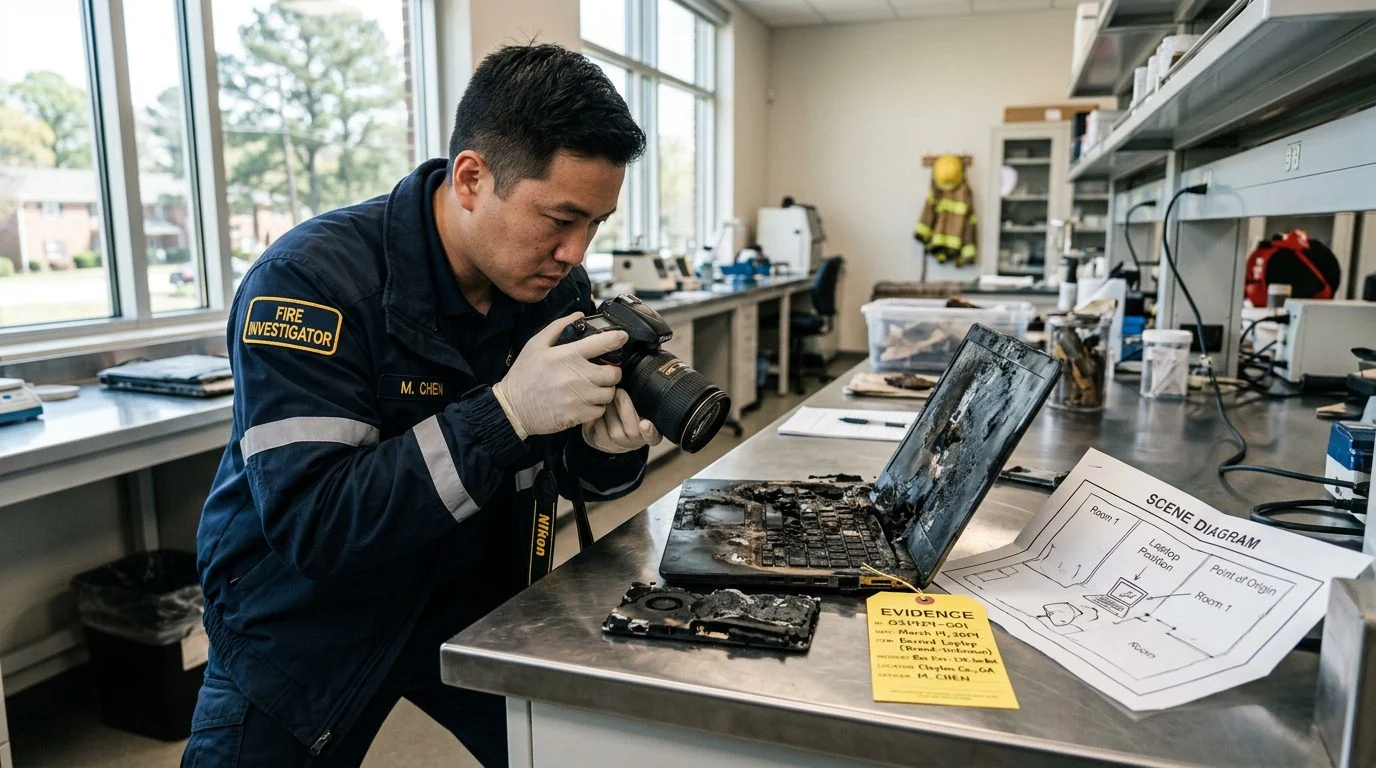
Lithium Battery Fires | Georgia
Hurt by a Battery Fire? Talk to a Georgia Lithium Battery Fire Lawyer
Fires from defective lithium-ion batteries are often underreported. Here is what we know, what we don't, and how a careful investigation can start.
T. Madden & Associates, P.C.
Since 1999
Representing Georgia families and injured people
Georgia
Offices in Jonesboro, Atlanta, Decatur, Macon and Augusta
24/7
Call us anytime
By Terance Madden · Published November 14, 2026
If a battery fire hurt someone you love, you may be asking how often these fires happen. The short answer is that the numbers come from different sources, and they count different things.
The short answer: no single yearly number covers every lithium battery fire
No single official total exists, so the answer depends on which count you read. The U.S. Consumer Product Safety Commission (CPSC) and the National Fire Protection Association (NFPA) both publish lithium-ion battery fire data, and each uses its own definitions.
A yearly count may include only reported fires. It may cover certain product types. Or it may track one device, such as an e-bike or e-scooter. These groups overlap only in part, so adding two totals together can give a wrong answer.
Yearly figures also change as new data comes in. Check the date and the definition behind any number you read, and treat it as a snapshot.
If a battery fire hurt someone you love, you don't have to sort out the claim alone; talk with our team about what happened, at no cost and with no obligation. Talk it through with our team — the first consultation is free, confidential, and carries no obligation.
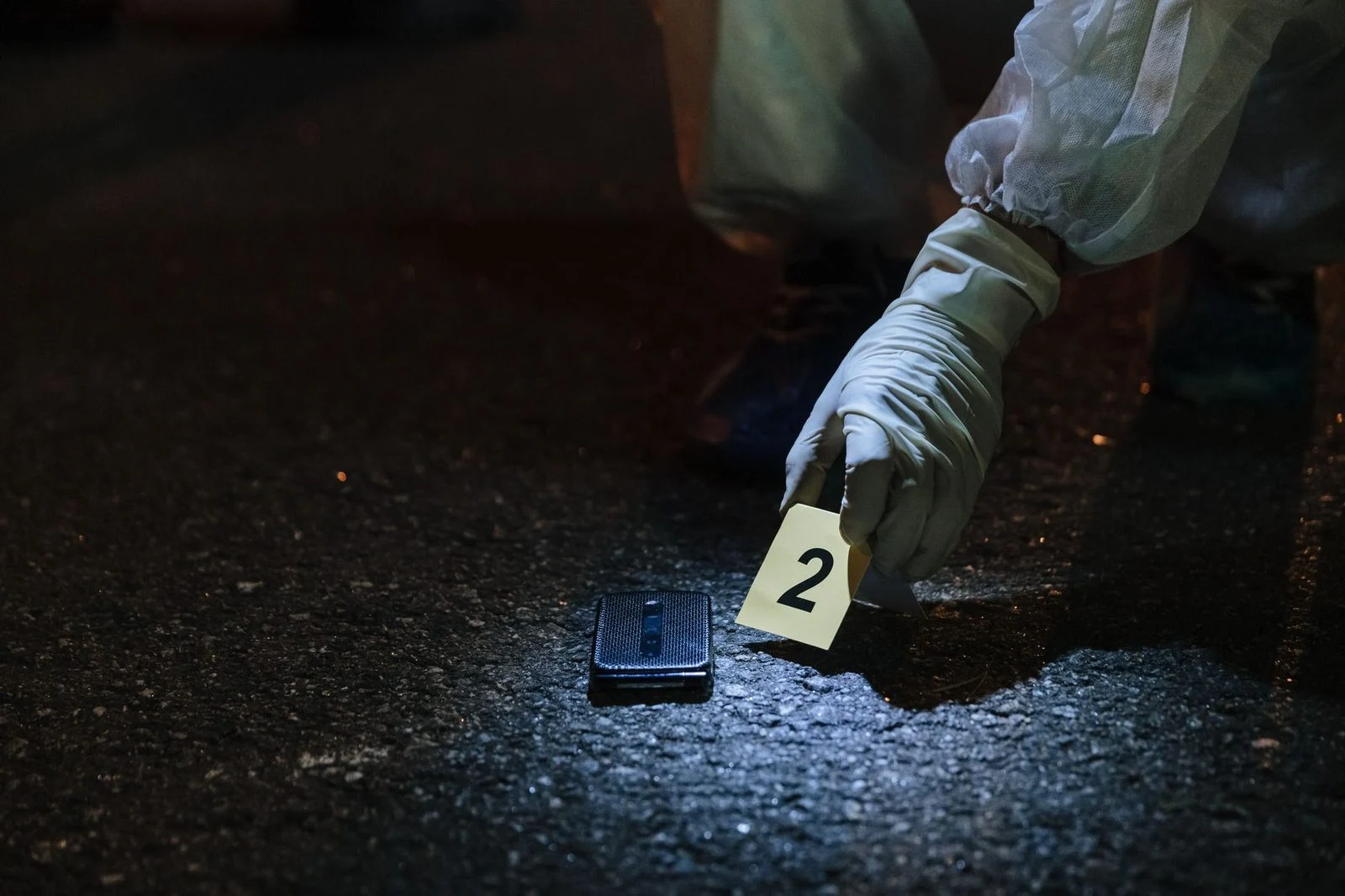
What the fire numbers actually count
Most counts include only fires where investigators named a battery as the cause or a likely cause.
A lithium-ion battery is the rechargeable battery inside phones, laptops, power tools, scooters, e-bikes and many electric vehicles. It packs a lot of energy into a small space, which is part of why a failure can burn so hot.
Many fires never get traced to a battery. A blaze can destroy the evidence, or the cause can be recorded as unknown. Those fires are missing from the count, so the totals can run low.
Device breakdowns differ by agency, so read the category labels closely. Some agencies list e-bikes and e-scooters on their own line. For a Georgia family, the number that matters most is the one for your fire, judged on its own facts.
How a lithium battery fire starts
A lithium battery fire usually begins with thermal runaway, a chain reaction inside the battery. One cell overheats, gives off heat faster than it can shed it, and sets off the cells beside it. The result is fast, hot smoke and flames that are hard to put out.
Common triggers include:
- A manufacturing defect inside a cell
- Physical damage, such as a battery that was dropped, crushed or punctured
- Charging with a mismatched or off-brand charger
- Heat exposure
Terance Madden holds a B.S. in Electrical Engineering and trained as an electrical engineer before law school. In a battery fire case, he starts by asking what the evidence shows. He looks at how the cells were built, how the charging circuit behaved and whether the battery was damaged. He also reviews certification marks and the origin-and-cause investigation that traces where the fire began. Those physical pieces matter most early, so the battery, charger and scene need to be kept intact.
What the numbers mean when your family is dealing with a real fire
A fire count tells you little about your own claim. Your claim turns on what happened to your family and what caused it.
Product liability is a legal claim against the company that made or sold a defective product that caused harm. The law applies even without a direct contract between the buyer and the maker.
A seller that did not make the product is treated differently. Under O.C.G.A. § 51-1-11.1, a product seller is not liable as a manufacturer for a strict liability claim. The statute keeps the right to seek payment from other responsible parties.
Time limits matter. Georgia’s general deadline for personal injury suits is two years, under O.C.G.A. § 9-3-33; injuries to reputation must be brought within one year and loss-of-consortium actions within four years. Under O.C.G.A. § 51-1-11, a strict liability claim may not be started more than ten years after the product’s first sale for use or consumption. The same ten-year limit applies to negligence claims against a manufacturer, except claims about negligence in manufacturing products that cause a disease or birth defect, or about conduct showing willful, reckless, or wanton disregard for life or property; and the limit does not relieve a manufacturer of its duty to warn of a danger from using a product once the manufacturer knows of that danger.
Georgia also splits fault. Under O.C.G.A. § 51-12-33, a recovery is reduced by the injured person’s share of fault. A person who is 50 percent or more responsible recovers nothing. Fault is assessed against every contributing party, named or not, but damages are apportioned only among the persons held liable, each paying its own share, and findings of fault do not subject nonparties to liability; so more than one insurance policy may be involved.
If a fire killed someone, a surviving spouse, or the children if there is no surviving spouse, may recover the full value of the life, as shown by the evidence, under O.C.G.A. § 51-4-2. When a death results from a crime or from criminal or other negligence, the personal representative of the deceased may recover funeral, medical and other necessary expenses under O.C.G.A. § 51-4-5.
Big Insurance adjusters often open with a low offer. That first number is rarely what a claim is worth. Expect recorded statements early, slow decisions and arguments that your treatment was not needed. Our response is to document the fire, preserve the product and prepare the claim as if it will go to trial. The firm pursues every coverage layer that may apply, including the maker’s and seller’s liability insurance and any umbrella or excess policy. It also looks at the full lifetime cost of the injury, not just the first bills.
If a battery fire hurt someone you love, you do not have to sort this out alone
You don’t have to work out the fire, the claim and the deadlines all at once.
Many families are living this right now. Someone is managing a recovery, a damaged home or a loss that is still under investigation. That might be a phone or scooter battery that failed, a fire that started while a device charged, or an e-bike battery that burned in a garage.
If that’s your situation, keep the battery, the charger, the cord, photos and every medical and repair record. Those items often hold the answer to how the fire started.
The firm has practiced since 1999 and has offices in Jonesboro, Atlanta, Decatur, Macon and Augusta. If you’re the person coordinating this claim, you can start a free case evaluation. The firm offers a free first consultation, which is confidential and comes with no obligation to continue. You can also call 24/7. For the full picture on battery fire claims, read the firm’s lithium battery fire lawyer page.
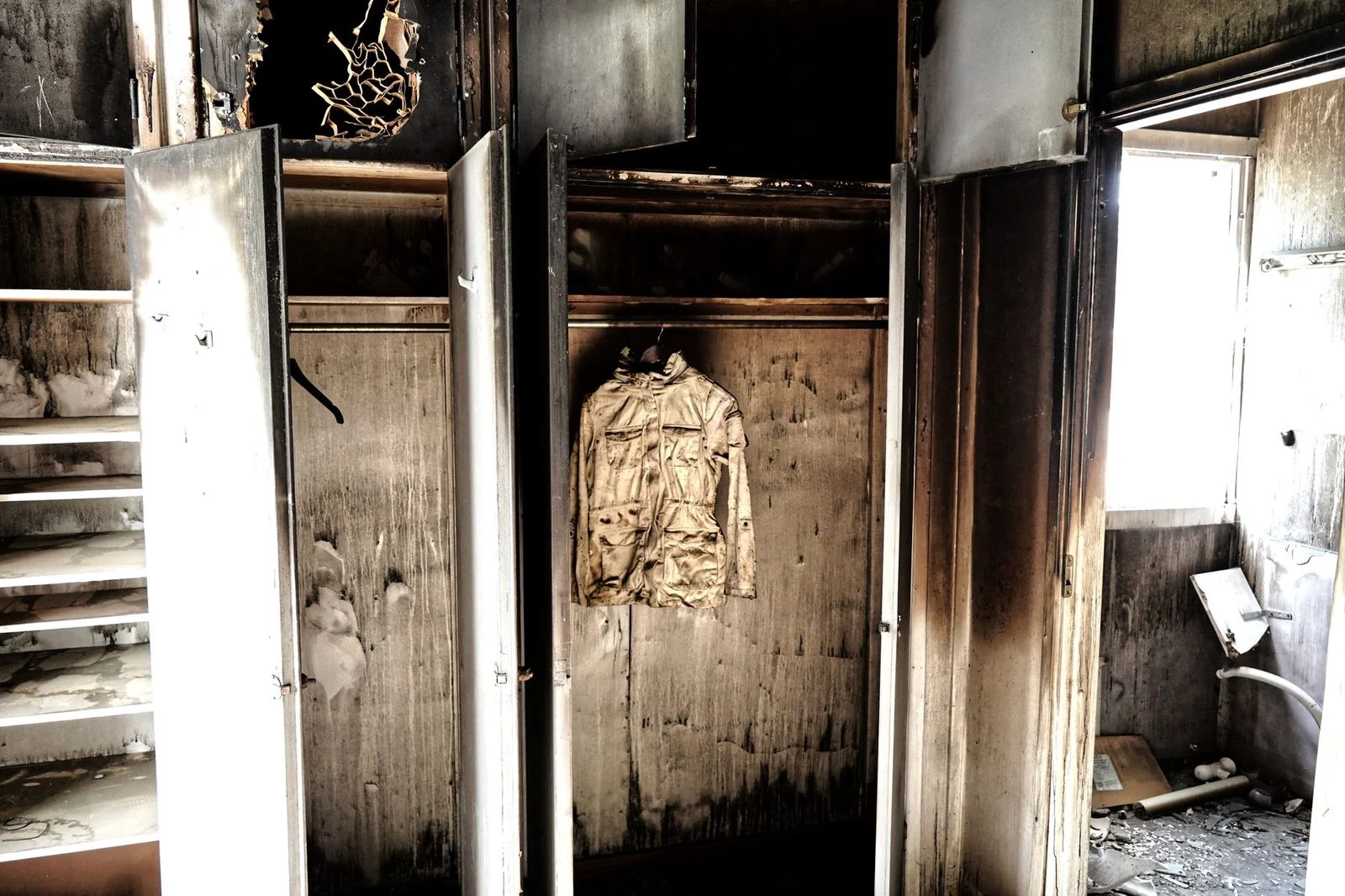
Frequently Asked Questions
Is there an official count of lithium battery fires each year?
No single, complete national count exists. Many battery fires are never reported, and some are recorded with an unknown cause, so official numbers likely understate the problem.
Which products are most often tied to lithium battery fires?
Safety regulators have linked lithium-ion batteries to fires in e-bikes, electric scooters, hoverboards, phones, laptops, and power tools. E-bikes and scooters appear often in fire reports because they use large batteries that are charged frequently.
Are off-brand or uncertified batteries more dangerous?
They can be. Batteries without independent safety testing may have defects in their cells, wiring, or charging circuits that raise the risk of fire, especially during charging.
What should I do if a battery fire hurt my family?
Keep the damaged battery, charger, and any receipts, photos, and fire reports, and do not throw them away. A product liability claim, which is a legal claim against the maker or seller of a defective product that caused harm, may be possible. T. Madden & Associates, P.C. offers a free first consultation, which is confidential and comes with no obligation to continue.