

Lithium battery fire lawyer | Georgia
Hurt by an Exploding Phone Battery? Talk to a Georgia Lawyer Today
A phone battery that swells, overheats or bursts can cause burns, lost property and, sometimes, a death. Here is how T. Madden & Associates, P.C. looks at these cases.
T. Madden & Associates, P.C. at a glance
1999
Year the firm began practice
5
Georgia offices: Jonesboro, Atlanta, Decatur, Macon and Augusta
24/7
Phone line open around the clock
By Terance Madden · Published November 14, 2026
Can I sue if a phone battery exploded? If it burned or hurt you, you may have a claim. The companies behind the battery and the device can be held responsible when a defect causes injury. Whether a specific claim holds up depends on the facts.
This page covers the questions people often ask after a serious injury: who may be responsible, what evidence can help, and how insurance companies often respond. It is written for you, and for the family member handling your recovery.
Yes, You May Have a Claim. Here Is What Decides It.
You may have a claim against the companies responsible for a phone battery that burned or hurt you. Lawyers call this a product liability claim. Product liability is a legal claim that a product was defective and caused injury. It can reach the maker, the seller and others who got the product to you.
Whether a claim holds up turns on the facts. What failed? Who made and sold the battery? How was the phone charged and used? What injuries followed? Those answers shape the case from the start.
Most phones run on a lithium-ion battery, the rechargeable kind that packs a lot of energy into a small space. When it fails, the damage can be serious and fast.
The firm handles lithium battery fire and product liability matters in Georgia. That includes fires and explosions caused by defective lithium-ion batteries and off-brand products. Each case turns on its own facts.
If a phone battery hurt you or someone you love, you may have a claim, and our team can talk through the device and timeline with you. Talk it through with our team — the first consultation is free, confidential, and carries no obligation.
What to Do Right Now If a Phone Battery Exploded
Your first steps are safety, then medical care, then protecting the evidence.
Get away from the device. If there is fire or smoke, call 911 and move children and pets out of the room.
Get medical care for burns, smoke exposure and any other injury, even if it looks minor. Keep every record and bill. Write down what the doctor told you.
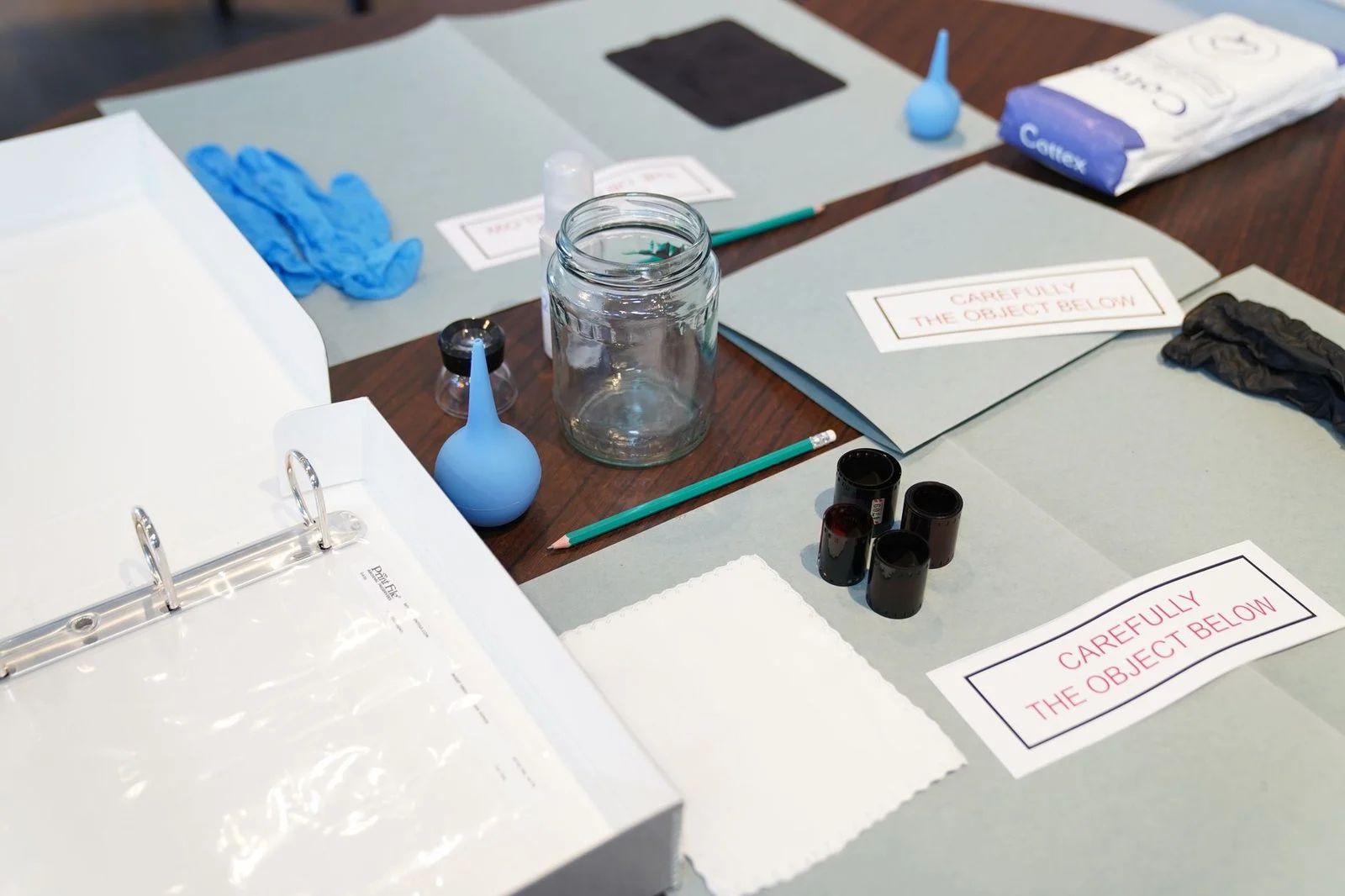
Do not charge, repair, fix or throw away the phone, the battery, the charger or the packaging. Put them somewhere safe, away from heat. Do not let anyone take them apart, because that can change the evidence.
Take photos of the burns, the device and any scorched surface. Write down the timeline while your memory is fresh. Save receipts, order confirmations, the store or carrier name, any recall notices and the brand printed on the battery or device.
Who Can Be Held Liable When a Phone Battery Fails
Several parties can be liable. These include the maker, the brand that sold the phone, a distributor or online seller, and a repair shop that replaced or altered the battery. Who fits depends on the facts.
Two main legal theories apply. The first is product defect. A design flaw, a manufacturing flaw or a failure to warn about a known danger can make a product defective. The second is negligence, which means failing to use reasonable care. Under O.C.G.A. § 51-1-2, ordinary negligence is the absence of the care an ordinarily prudent person would use in the same or similar circumstances.
A defective battery can support a negligence claim against the party that made, designed, assembled, sold or serviced it. The facts must show that party failed to use reasonable care.
Georgia law also makes a manufacturer of new personal property liable in tort, irrespective of privity, to any natural person who may use, consume, or reasonably be affected by the property, even without a direct contract with that maker, but no such action may be commenced with respect to an injury after ten years from the date of the first sale for use or consumption of the property. See O.C.G.A. § 51-1-11. The product must have been not merchantable and not reasonably suited to its intended use when sold, and that condition must have caused the injury. See O.C.G.A. § 51-1-11.
Sellers are treated differently. Under O.C.G.A. § 51-1-11.1, a product seller is not a manufacturer and is not liable as one in a strict liability claim. Strict liability means a claim based on the product’s defect, not on proof the maker was careless. So the facts about the store, distributor or repair shop matter.
Off-brand, counterfeit and unlabeled batteries raise a common question: who made it, and who sold it? Tracing the chain of sale answers that question. That tracing is part of the review.
What the Evidence Shows, and Why Engineering Training Matters
The battery and the device are the main evidence, so they must stay intact.
Before law school, Terance Madden trained as an electrical engineer, and he uses that training to evaluate the evidence in each case. Before law school, he trained as an electrical engineer. So he starts a battery case by asking what the evidence shows and how the failure happened. He looks at the cells, the charging circuit, the certification marks and the origin-and-cause investigation that traces where a fire began.
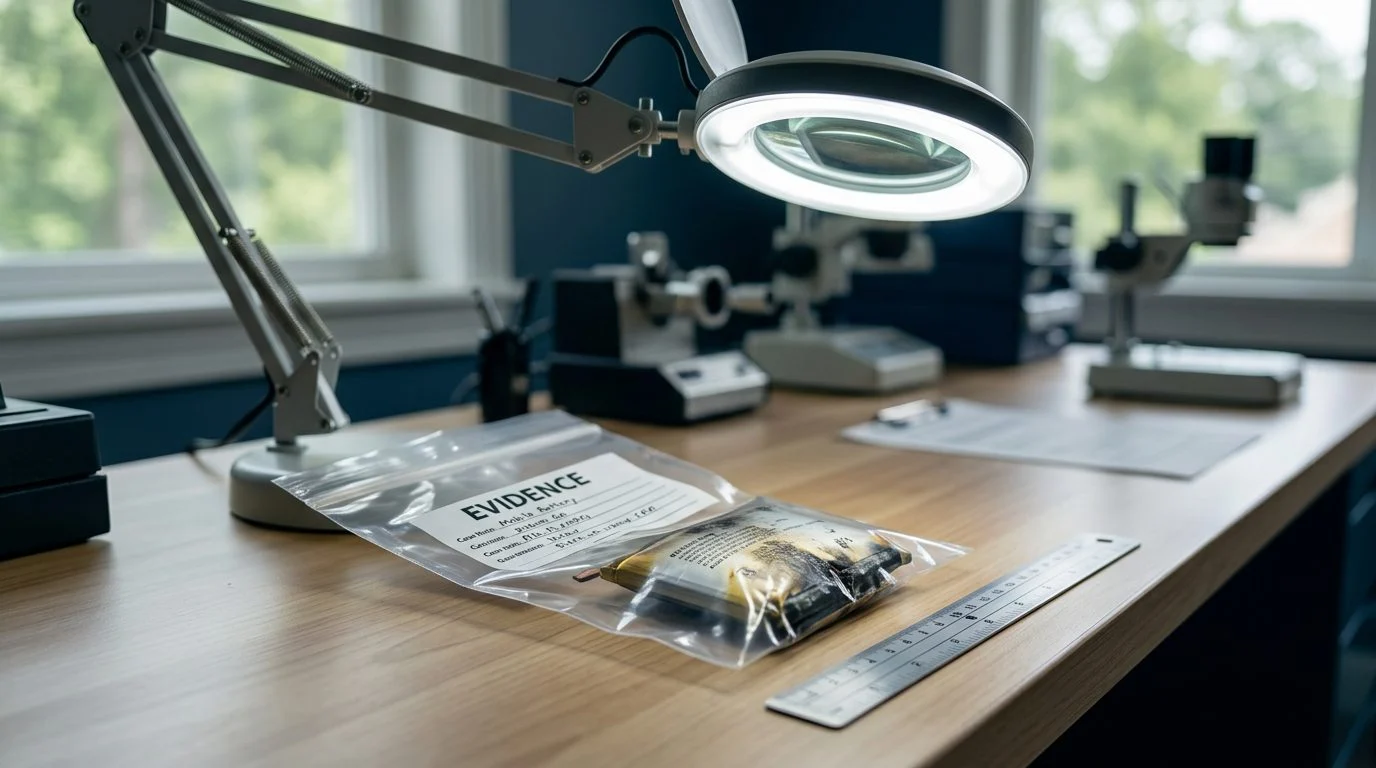
Heat and melt marks on the casing can show where the failure started. Swelling before the failure can suggest the cells were damaged. Damage to the charging port or cable may point to the charger. The markings on the cells and the charging history help show whether the battery was built and used as it should have been.
Do not test or open the battery yourself. Once it has been handled, cleaned or thrown out, marks that matter can be lost. Georgia’s duty to preserve evidence applies once litigation is reasonably foreseeable to the party that controls the evidence. Phillips v. Harmon explains that rule.
A review can also point to a component supplier or a repair vendor. Each may be another liable party. That can mean more insurance available to pay the claim.
Time Limits and How Big Insurance Responds
Under O.C.G.A. § 9-3-33, actions for injuries to the person must be brought within two years after the right of action accrues, except as otherwise provided in this article; injuries to reputation must be brought within one year, and actions for injuries to the person involving loss of consortium within four years. Do not wait to learn how that clock counts.
Strict liability claims against a manufacturer have a separate cap. Under O.C.G.A. § 51-1-11, no action on that subsection can be commenced for an injury after ten years from the date of the product’s first sale for use or consumption, and the same ten-year limit applies to negligence claims against a manufacturer, except claims for negligence in manufacturing products that cause a disease or birth defect or for conduct showing a willful, reckless, or wanton disregard for life or property; that limit on negligence claims does not relieve a manufacturer of its duty to warn of a danger from using a product once the manufacturer learns of that danger. Raise that timing question early.
Big Insurance is not on your side. Its adjusters often make a quick, low first offer. They ask for a recorded statement early. They slow the process, dispute the cost of burn treatment, or argue the damage was minor or “low impact.”
An insurer’s first offer is rarely what a claim is worth. Do not give a recorded statement or sign a release until someone has explained it to you.
Expect the argument that you shared the blame. Under O.C.G.A. § 51-12-33, damages are reduced by the plaintiff’s percentage of fault. A plaintiff who is 50 percent or more responsible recovers no damages. Medical costs have limits too. Under O.C.G.A. § 51-12-1.1, medical expense damages are limited to the reasonable value of medically necessary care.
The firm looks at every coverage layer that may apply. That includes the liability coverage of the party at fault, the maker’s and seller’s coverage, renter’s or homeowner’s coverage where it fits, and umbrella or excess policies. The firm also tracks the full cost of the injury, including future care, and prepares every case as if it may go to trial.
Burn Injuries Often Fall on the Family Member Who Is Managing Recovery
The person managing recovery usually carries the appointments, bills, medicines and time off work. That person needs a simple system.
If you are the spouse, mother or adult daughter handling this, you are carrying a lot. You did not choose it. It shows up in phone calls, pharmacy runs and stacks of paperwork.
Start one notebook or folder. Record each treatment date and provider. Log every out-of-pocket cost and each missed workday. Note daily limits the injury causes, such as trouble sleeping or using a hand.
Georgia treats necessary expenses from an injury as part of the damages. See O.C.G.A. § 51-12-7. Receipts you keep now make that proof easier later.
The firm aims for plain, direct updates. With the injured person’s permission, the family member managing recovery can take part in those conversations.
A hard situation is easier when someone keeps the record straight. You are doing that work, and the log is how you do it.
Not sure what your next step is?
Talk it through with our team — the first consultation is free, confidential, and carries no obligation.
If a Phone Battery Burned You or Someone You Love
If a phone battery burned you or someone you love, you may have a claim. You do not have to sort out the device, the bills and the deadlines alone.
The first consultation is free, confidential and carries no obligation to continue. The firm has offices in Jonesboro, Atlanta, Decatur, Macon and Augusta, and its phone line is available 24/7.
When you’re ready, start a free case evaluation. Bring the photos, the timeline and any receipts you have, and the team will go through them with you.
Frequently Asked Questions
Can I sue if my phone battery exploded and hurt me?
Yes, you may have a claim. A phone battery that overheats, swells, or bursts can be a defective product, and Georgia product liability law lets people hurt by defective products seek compensation from the companies that made them, and under O.C.G.A. § 51-1-11.1(b), a seller that is not the manufacturer is not liable as a manufacturer in a strict liability claim.
Who can be held responsible when a phone battery explodes?
A claim can name the phone maker, the battery maker, the seller, or the distributor. Off-brand or counterfeit batteries and chargers are often involved, so each company in the supply chain may be a possible party.
What proof do I need to sue over a phone battery explosion?
Keep the damaged phone, battery, and charger, and do not throw them away. Save photos, receipts, and medical records. Terance Madden trained as an electrical engineer before law school, so he looks closely at what the physical evidence shows about how the battery failed.
How long do I have to file a claim after a phone battery explosion?
In Georgia, the two-year deadline to file a personal injury lawsuit runs from when the claim accrues under O.C.G.A. § 9-3-33, the ten-year limit in O.C.G.A. § 51-1-11 can affect claims involving older products, and some claims against government entities have much shorter notice deadlines. Because deadlines can be missed, call T. Madden & Associates, P.C. soon for a free, confidential first consultation with no obligation to continue.