

Truck Accident Lawyer · Georgia
Spoliation Letters After a Georgia Truck Crash: What to Know
A spoliation letter asks the trucking company and its insurer to keep the evidence from your crash. Learn what the letter is, what it can cover, and how T. Madden & Associates, P.C. approaches it.
T. Madden & Associates, P.C.
1999
Serving injury clients since
5
Offices in Georgia: Jonesboro, Atlanta, Decatur, Macon and Augusta
By Terance Madden · Published October 26, 2026
If you’re looking into a spoliation letter truck crash Georgia case, start with the basics. A spoliation letter is a written request asking a trucking company to keep evidence from a crash. It tells the company the evidence may matter to a claim, so it should not be changed, erased, or thrown away. Many of the key records sit with the company, not the driver, and some have short minimum keep periods. Here is what the letter does and why timing matters.
What a Spoliation Letter Is
A spoliation letter is a formal written request to keep evidence. “Spoliation” means losing, destroying, or changing evidence that may matter in a legal claim. The letter is not a lawsuit. It is a notice, and it usually goes to the trucking company and its insurer. Sometimes it also goes to the driver.
The letter’s main job is to say exactly what to keep. A clear letter names the crash, the truck, and each type of record. That leaves the recipient little room to say later that it didn’t know what mattered. Each category should match a record the company actually keeps.
If a truck crash has you worried that important records could disappear, our team is ready to listen and talk through what you're facing. Talk it through with our team — the first consultation is free, confidential, and carries no obligation.

Why Evidence After a Truck Crash Is Different
A truck crash creates far more records than a typical car crash, and a business holds most of them. After a car crash, the evidence is often the vehicles, the scene, and the witnesses. A commercial truck adds a company behind it. That company keeps dispatch messages, driver logs, repair orders, inspection files, and hiring papers.
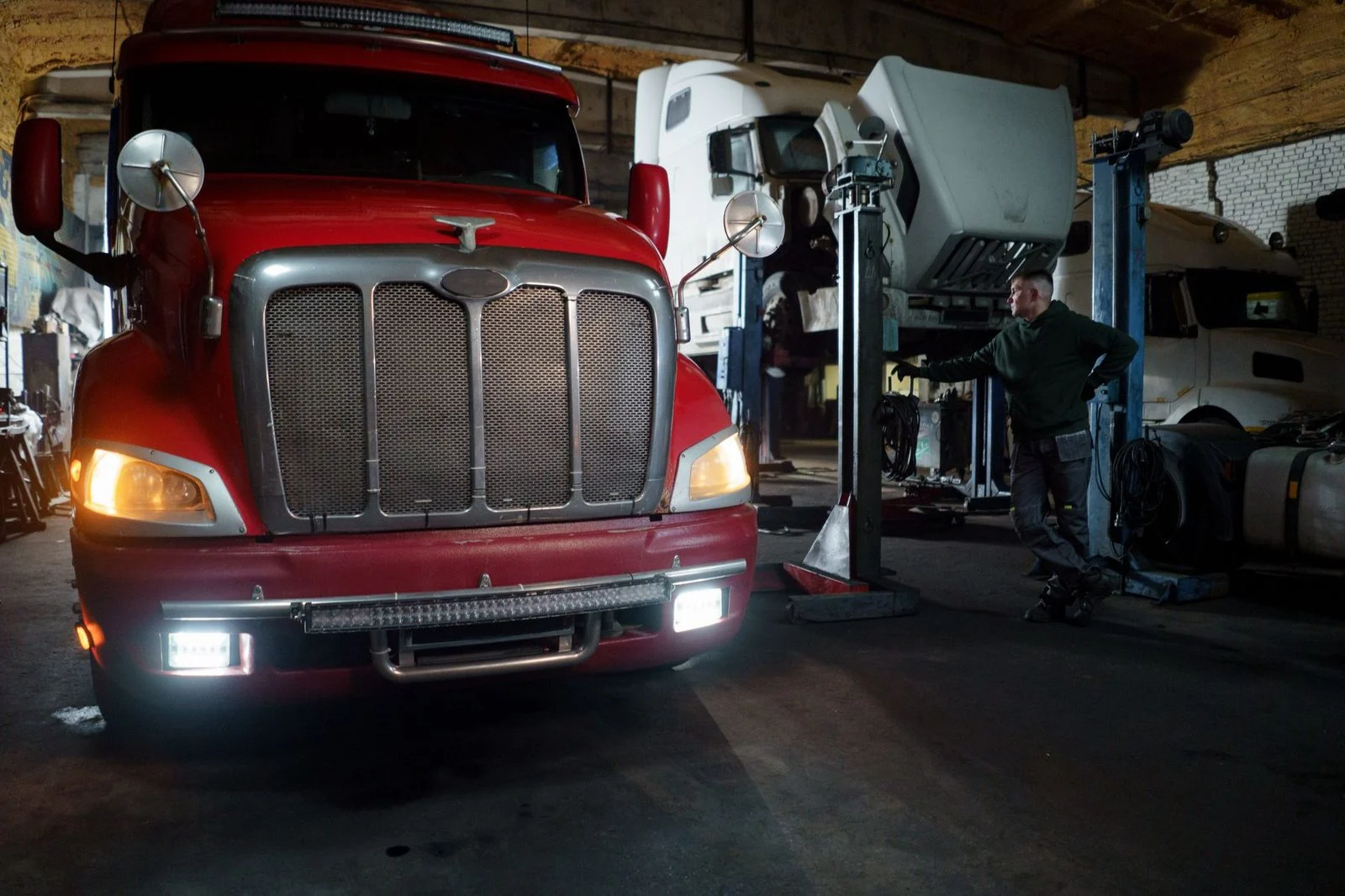
Routine business can remove evidence without anyone meaning harm. A truck may be repaired, and the old parts thrown away. A tractor may be sold or moved to another fleet. Camera and engine data may be overwritten while the truck keeps running. Those steps follow the company’s routine, not the timeline of your claim.
Federal rules set minimum keep periods for some records. A minimum is a floor, not a promise that the record will still exist later. That gap is why an early written request matters.
Trucking Company and Driver Records That Can Be Lost
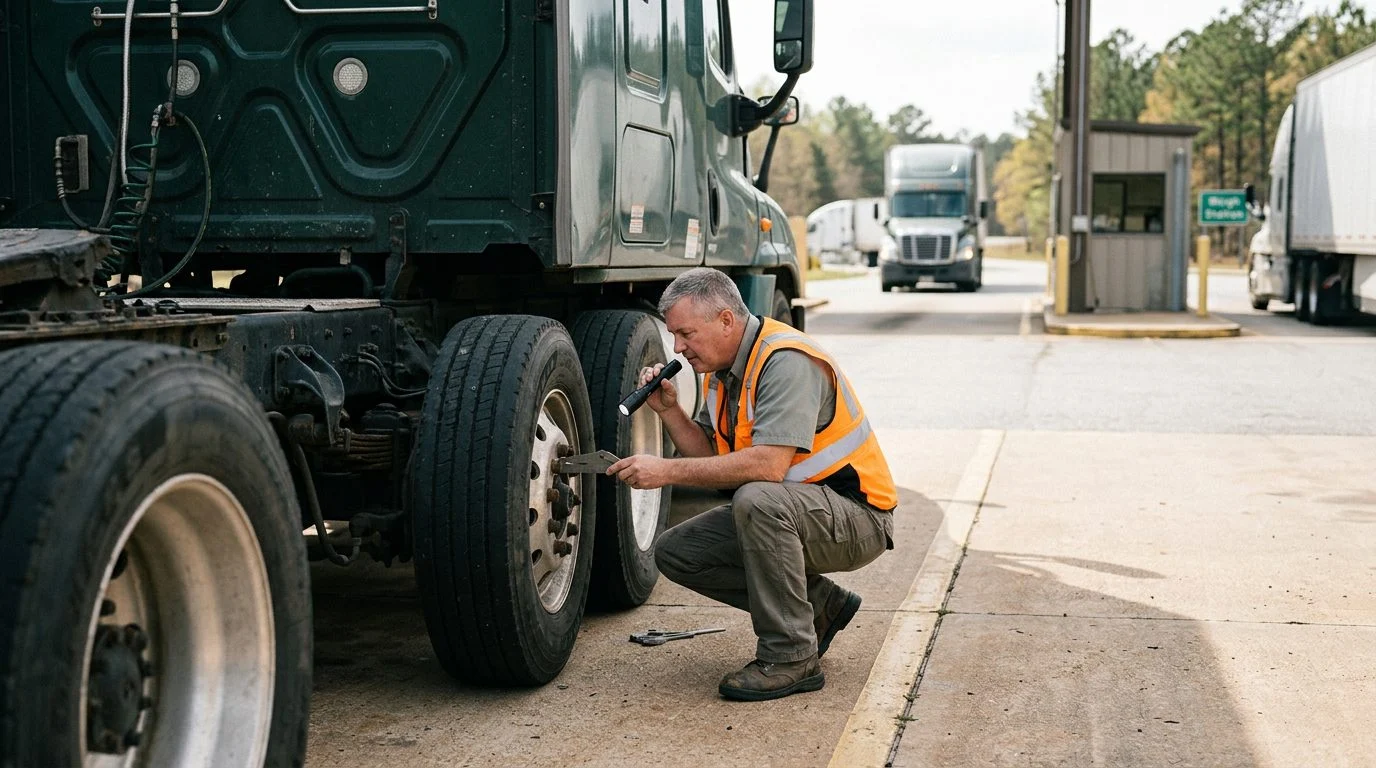
The records most at risk are driver logs and electronic logging device (ELD) data, maintenance files, and post-crash test records. Federal rules set a period for each one. The table shows the period in each rule.
| Record | Who keeps it | Period in the rule |
|---|---|---|
| Records of duty status and supporting documents | Motor carrier | Not less than 6 months from the date of receipt (49 C.F.R. § 395.8) |
| Original ELD and hours-of-service data | Motor carrier | Must not be altered or erased (49 C.F.R. § 395.30) |
| Driver qualification file | Motor carrier | Retained for as long as the driver is employed by that motor carrier and for three years thereafter (49 C.F.R. § 391.51) |
| Maintenance and repair records | Motor carrier | Retained for one year, with an additional six months after the motor vehicle leaves the motor carrier’s control (49 C.F.R. § 396.3) |
| Periodic inspection report | Motor carrier | Retained for a period of fourteen months, beginning on the date of the inspection report (49 C.F.R. § 396.21) |
| Negative drug test results | Employer | Kept for a minimum of one year (49 C.F.R. § 382.401) |
Federal rules also limit changes. No driver or carrier may make a false report about duty status.
Some trucks carry event data recorders that may capture technical vehicle, driver-input, and crash information (National Highway Traffic Safety Administration). Name that data in your request. Dashcam footage and dispatch messages are separate items, so list them too.
Evidence to Save at the Scene or Right After
The first evidence you can collect is photos, witness details, and the truck’s own identifying numbers. Photograph the truck, the trailer, the damage, skid marks, and the road. Wide shots and close-ups both help. Write down the company name, the DOT number, and the trailer number shown on the truck.
Get names and phone numbers from witnesses while they’re still nearby. Write down what you remember and when you remembered it. Keep medical records and bills together in one folder, since they document your injuries and costs.
The police crash report is separate from the company’s files. Ask for it directly, and keep the copy you receive. Company files are out of your reach, so your own early notes may be the only record of the scene from your side. For more early steps, read our guide on evidence to save after a truck crash in Georgia.
Why Georgia Timing Matters
Timing matters because some company records have short minimum keep periods. A written request also puts the company on notice. Georgia’s motor carrier safety statute requires that commercial vehicles be kept in safe condition at all times (O.C.G.A. § 40-1-8). It also refers to the federal hours-of-service and record-of-duty-status rules in 49 C.F.R. Part 395.
Georgia law lets an injured person recover for damage caused by breach of a legal duty, although no cause of action is given in express terms, when the law requires a person to perform an act for the benefit of another or to refrain from doing an act which may injure another (O.C.G.A. § 51-1-6). Whether a particular breach supports a claim depends on the facts. Losing a key record can make a claim harder to prove. Sending the request early helps keep records in place before routine deletion runs.
What a Spoliation Letter Should Ask For
A useful letter names the crash, the truck, and each category of record to keep. A practical list includes:
- The date, time, and place of the crash
- The driver’s name, the truck and trailer numbers, and the DOT number
- Original ELD and hours-of-service data, kept unaltered
- The driver qualification file
- Post-accident test records, including any record of why a test was not given
- Maintenance, inspection, and repair records, plus any parts removed
- Dispatch messages, phone records, and dashcam or engine data
- The truck itself, if the company still controls it
- Written confirmation that the company is keeping all of it
Ask that electronic records be kept in a form that can be accurately reproduced later. Federal rules allow records to be kept with any technology that accurately reflects the information and stays accessible (49 C.F.R. § 379.7). Send the letter promptly, before routine deletion runs.
Is a spoliation letter a lawsuit?
No. It is a written notice asking the recipient to keep evidence. It is a request, not a court filing.
Who receives a spoliation letter?
It usually goes to the trucking company and its insurer, and sometimes to the driver. The right recipients depend on the facts of the crash.
How soon should it be sent?
Send it as early as you can. Records can move toward disposal once their minimum periods run out.
Not sure what your next step is?
Talk it through with our team — the first consultation is free, confidential, and carries no obligation.
Talk With T. Madden & Associates, P.C. About Your Truck Crash
A truck crash can leave you handling injuries, bills, and paperwork you never expected. You may also be helping a relative who can’t manage this alone. You didn’t choose this situation, and the records you’re worried about are time-sensitive.
Terance Madden leads T. Madden & Associates, P.C., which has been in practice since 1999. The firm has offices in Jonesboro, Atlanta, Decatur, Macon, and Augusta. Your first consultation is free, confidential, and carries no obligation to continue.
To start, request a case evaluation through our contact page. You can also call us at any hour.
This page is general information, not legal advice. Responsible lawyer: Terance Madden, T. Madden & Associates, P.C. Contact: https://www.tmaddenlaw.com/contact/
How a Spoliation Letter Works in Your Case
It is a written request
A spoliation letter is a formal notice asking the recipient to preserve evidence. It is not a lawsuit or a court filing.
It puts the evidence on notice
The letter identifies the records, vehicles and data that matter to your claim so that the recipient knows what to keep.
It is sent to the right recipients
The trucking company, its insurer and sometimes the driver may each need a letter, depending on the facts of the crash.
It focuses on your recovery
Our team handles the paperwork so you can concentrate on your health and your family while the evidence is secured.
Do not wait to ask for the evidence
Trucking records and electronic data are kept under routine business practices and can be overwritten or discarded over time. Contact us early so a preservation request can be sent while the evidence still exists.
Evidence a Spoliation Letter Can Ask Them to Keep
Driver logs and electronic data
Hours-of-service records, electronic logging data and engine control module information can show speed, braking and driving time.
Maintenance and inspection records
Repair histories, inspection reports and parts records help show the condition of the truck before the crash.
Dash camera and GPS footage
Video and location data can capture the moments before, during and after the collision.
Driver qualification and training files
Hiring, training and disciplinary files may bear on how the driver and the company operated.
Talk with T. Madden & Associates about your truck crash. Your first consultation is free, confidential and comes with no obligation to continue. Fees are charged only if there is a recovery, and you may still be responsible for court costs and case expenses.
Related practice areas
- Truck Accident Lawyer in Clayton County, GA | Who Pays, Deadlines and Next Steps
- Personal Injury Definition in Georgia: Plain-Language Guide