

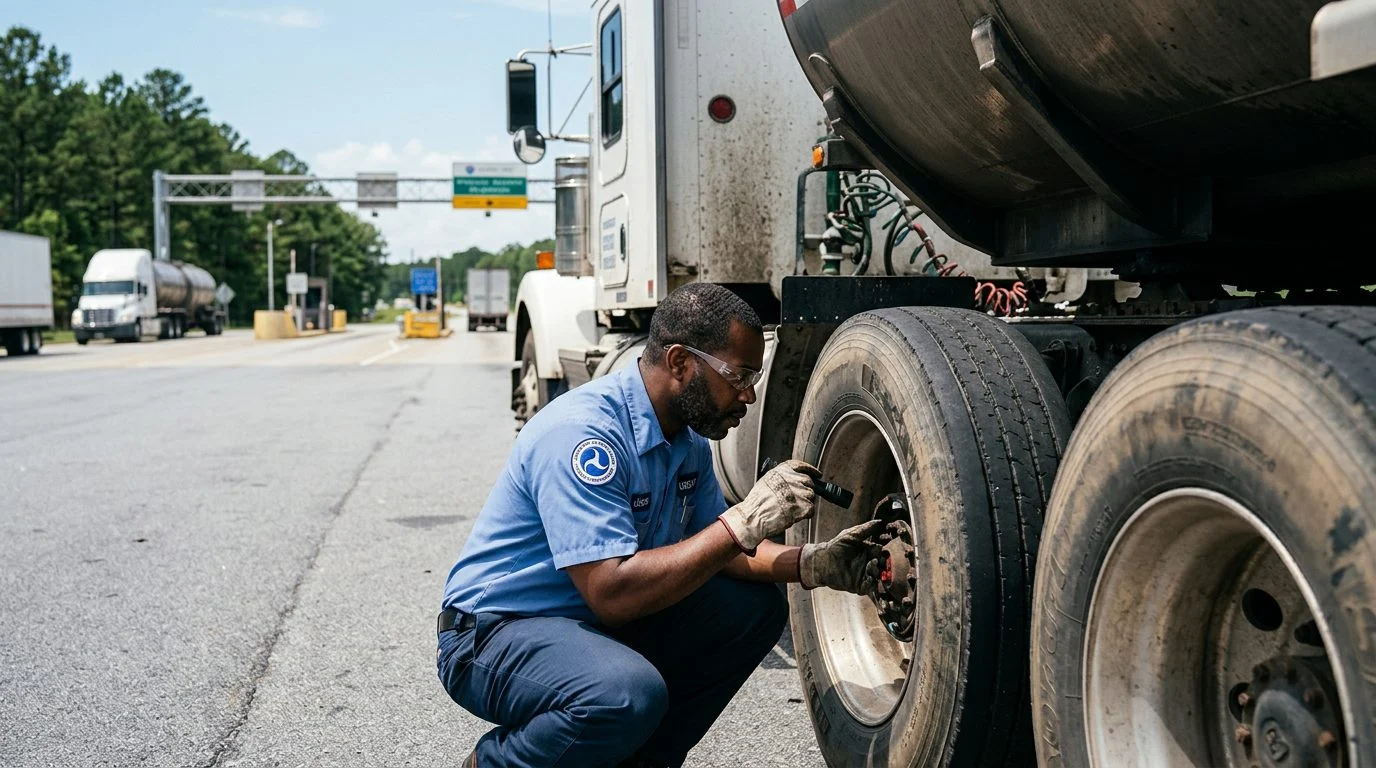
Tanker Truck Crashes | Jonesboro, Atlanta, Decatur, Macon & Augusta
Hurt in a tanker truck crash? Talk with a Georgia lawyer who takes your call.
Tanker crashes raise questions most people have never faced. T. Madden & Associates, P.C. answers calls around the clock and starts with a conversation about what you need.
The firm at a glance
1999
Representing injured people since
5
Georgia offices
24/7
Phone line open any hour
By Terance Madden · Published November 6, 2026
Need a tanker truck accident lawyer Georgia crash victims can call? This page explains what makes these claims different, what they can cover, and how the process works. T. Madden & Associates, P.C. represents people hurt in car and truck wrecks, and tanker truck claims are part of that work.
What a Tanker Truck Accident Case Involves
A tanker truck accident case is a claim for injury or death caused by a commercial truck that hauls liquid, gas, chemicals or other bulk cargo. It applies whether the tank is full, partly loaded or empty.
This page is written for people hurt in these crashes, including drivers, passengers, pedestrians and motorcyclists. It also helps families of someone killed in a tanker crash.
Tanker cases differ from standard car claims in four ways. More parties may share responsibility. Federal trucking rules apply. Insurance requirements can be higher for hazardous cargo. Key evidence can disappear quickly.
The first step is a free first consultation. It is confidential and carries no obligation to continue. You can start a free case evaluation here.
A tanker crash can leave you facing hospital bills and an insurance company you didn't expect. Reach out for a free case evaluation, and you won't have to sort it out alone. Talk it through with our team — the first consultation is free, confidential, and carries no obligation.
Why Tanker Crashes Cause Severe Injuries and Losses
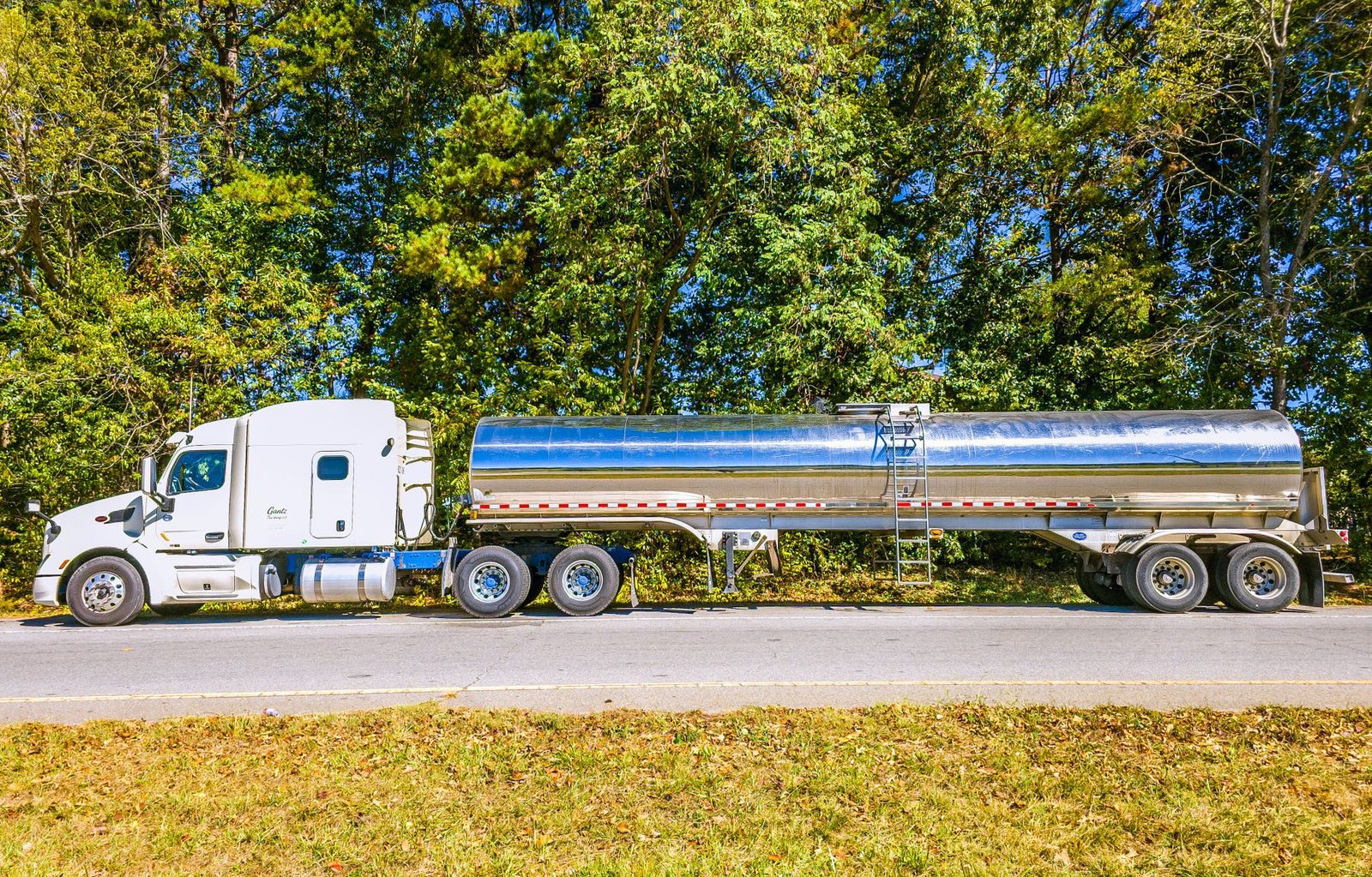
Tanker crashes can cause harm beyond the impact itself, because of what the truck carries. Common causes include rollovers on curves and ramps, jackknifing, following too closely, fatigue, speeding, unbalanced liquid loads, brake failure and driver distraction.
When cargo catches fire or leaks, the harm spreads. Fires, explosions, chemical releases and fuel spills can force road closures and environmental cleanup. They can also put first responders and nearby drivers at risk.
Injuries often include burns, chemical exposure, crush injuries, traumatic brain injuries, spinal cord injuries, fractures and amputations. When an injury is permanent or life-changing, the case may fall under catastrophic injury work.
A claim can address emergency and ongoing medical care, rehabilitation, lost wages, lost earning ability, property damage and pain and suffering. In a fatal crash, the claim may fall under wrongful death law, covered below.
Federal and Georgia Rules That Shape a Tanker Claim
Trucking rules set standards that carriers and drivers must meet. A violation can be important evidence in a claim.
Federal hours rules limit driving time. A property-carrying driver may not drive without first taking 10 consecutive hours off duty. The driver may not drive after 14 consecutive hours on duty following that rest, and may drive only 11 hours in that window (49 CFR 395.3).
Carriers must also inspect, repair and maintain their vehicles. Maintenance records must be kept 1 year where the vehicle is housed, and 6 months after it leaves the carrier’s control (49 CFR 396.3).
Hazmat drivers need knowledge of placarding, packaging, marking and reporting hazardous materials accidents to earn a hazmat endorsement (49 CFR 383.121). Georgia’s commissioner may also adopt safe-operation rules for motor carriers and hazardous materials (O.C.G.A. § 40-1-8).
For many carriers hauling hazardous substances in bulk cargo tanks, the federal minimum public liability amount is $5,000,000 (49 CFR 387.9).
Georgia’s general deadline for injury claims is two years after the claim arises (O.C.G.A. § 9-3-33).
Evidence That Must Be Preserved Quickly
Much of the key evidence sits with the trucking company, not with the injured person. Acting early helps protect it.
Important records include:
- Electronic logging device and engine data, which can show speed, braking and hours driven
- Driver logs, dispatch records and trip information
- Bills of lading, cargo manifests and shipping papers that identify the product and quantity
- Maintenance, inspection and repair records for the tank, brakes, tires and trailer
- Driver qualification files, prior violations and training records
- Dashcam video, scene photos, police reports and hazmat response reports
Testing after a crash also creates records. Federal rules require post-accident testing of each surviving driver who was performing safety-sensitive functions with respect to the vehicle after a crash involving a death; testing is also required when the CMV driver receives a citation for a moving traffic violation arising from the crash (within 8 hours for alcohol testing, 32 hours for drug testing) and the crash involved either bodily injury treated away from the scene or a vehicle disabled and towed away (49 CFR 382.303). If an alcohol test is not given within two hours, the employer must record why. Drug tests are generally due within 32 hours.
Maintenance records don’t have to be kept forever. A preservation request should go out early.
Who Can Be Held Responsible After a Tanker Crash
More than one person can share responsibility. The driver may be responsible for negligent driving, fatigue, distraction or impairment. The trucking company may be responsible for its driver, depending on the facts and the relationship between them.
Other parties can include maintenance contractors, tank makers, repair shops, cargo loaders and shippers, if their conduct contributed to the crash.
Georgia uses comparative fault. Damages are reduced by the injured person’s share of fault, and a person 50 percent or more responsible recovers nothing (O.C.G.A. § 51-12-33). The same section says each liable person pays only its own share, not a joint amount.
Georgia also limits when a motor carrier’s insurer can be added to a lawsuit. Joinder is allowed only in specific situations, such as when a carrier is insolvent or bankrupt (O.C.G.A. § 40-1-112).
Under Georgia law, a surviving spouse, or the children if there is no surviving spouse, may recover for the homicide of a spouse or parent the full value of the decedent’s life, as shown by the evidence; the recovery is then equally divided among the surviving spouse and the children per capita, with the spouse receiving no less than one-third (O.C.G.A. § 51-4-2).
How the Claim Process Works, Step by Step
A tanker claim moves in stages, from the first call through settlement talks or a lawsuit.
- Free first consultation. You describe the crash, your injuries and your questions. The consultation is confidential and carries no obligation to continue.
- Medical care and records. Get checked by a doctor and keep every bill, receipt and report. Speak with counsel before giving a recorded statement to any insurer.
- Investigation and preservation letters. The firm asks carriers and other record holders to keep key evidence.
- Damages review and demand. Medical, wage and property records are gathered, and a demand goes to the insurer.
- Negotiation and filing. If a fair resolution isn’t reached, a lawsuit must be filed within Georgia’s deadlines.
- Discovery and trial preparation. Records are exchanged, depositions are taken, and mediation or trial is considered.
Tanker cases often take longer than standard car claims. Carrier records and multiple parties add steps. The timing depends on the facts of each case.
Not sure what your next step is?
Talk it through with our team — the first consultation is free, confidential, and carries no obligation.
Why Work With T. Madden & Associates, P.C.
T. Madden & Associates, P.C. is a Georgia personal injury practice led by attorney Terance Madden, in practice since 1999. The firm has offices in Jonesboro (Clayton County), Atlanta, Decatur, Macon and Augusta.
Support staff, including assistants and office staff, help our team keep track of records, deadlines and communication for each matter.
The firm handles car and truck wrecks, motorcycle and e-bike crashes, slip and falls, nursing home abuse, medical malpractice, negligent security and wrongful death cases. Tanker truck claims, including catastrophic and fatal ones, sit alongside this work.
The firm works on a no-fee-unless-we-win basis. The client may still be responsible for court costs and case expenses. The free first consultation is confidential and carries no obligation to continue.
Questions About Tanker Truck Accidents, Answered
Can you sue a trucking company if its truck hits you?
Yes. A claim can name the driver and the company when the facts support it.
What is the deadline to file?
Georgia’s general deadline for injury claims is two years, under O.C.G.A. § 9-3-33.
Does my own fault matter?
Yes. Georgia reduces damages by your share of fault, and you recover nothing at 50 percent or more (O.C.G.A. § 51-12-33; Quynn v. Hulsey (2020)).
What should I avoid saying to an insurer?
Avoid recorded statements and guesses about fault. Talk with counsel before answering detailed questions.
Talk With Terance Madden About Your Tanker Crash
If a tanker truck left you hurt, or took a family member’s life, you may have a claim. You don’t have to sort out the insurance, evidence and deadlines alone. Reach T. Madden & Associates, P.C. through the contact page, or call the Jonesboro, Atlanta, Decatur, Macon or Augusta office. Phone lines are available 24/7.
Responsible lawyer: Terance Madden, T. Madden & Associates, P.C. Contact: https://www.tmaddenlaw.com/contact/. This page is general information, not legal advice for your case.