

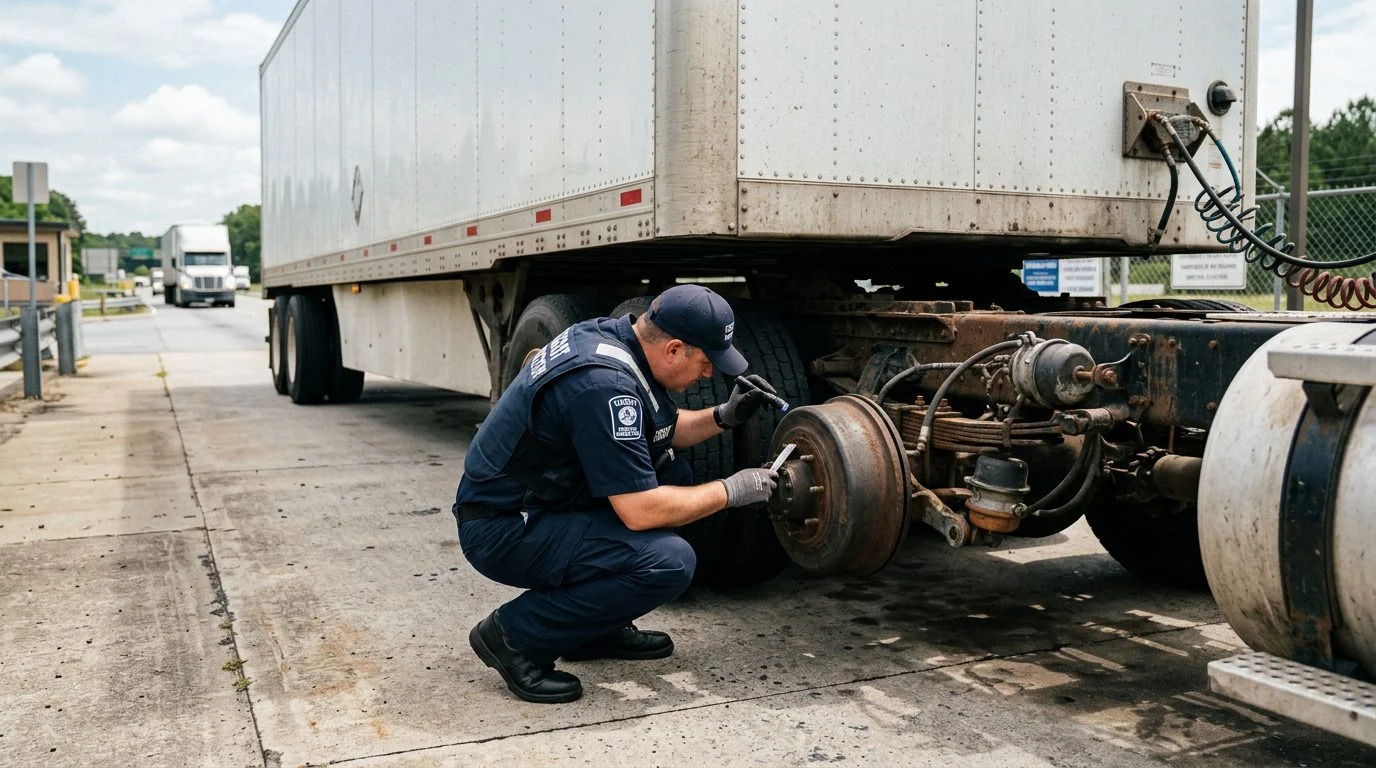
Truck Accidents | Georgia
Hurt by an Unsecured Load? Start With the Facts
Loose cargo can turn a highway into a hazard. Terance Madden and the team at T. Madden & Associates, P.C. have represented people hurt in Georgia crashes since 1999, from Jonesboro and Atlanta to Decatur, Macon and Augusta.
About T. Madden & Associates, P.C.
Since 1999
Serving injured Georgians
5
Offices across Georgia
Free
First consultation, no obligation
By Terance Madden · Published October 31, 2026
Yes, an Unsecured Load Can Cause a Truck Accident in Georgia
Yes. Cargo that is not properly secured can shift, roll, or fall onto Georgia roads and cause a crash. Federal rules require a commercial truck’s cargo to be secured so it does not leak, spill, blow, or fall from the vehicle on public roads, under 49 C.F.R. § 393.100.
A crash can involve the truck, the load, a passenger car, a motorcycle, or several of these. What came loose, and where it landed, decides who gets hit and how badly.
This page covers how loads come loose, the federal securement rules, the cargo and injuries most often involved, how fault is looked at in Georgia, and what to write down after a crash. If you’re reading this after a crash, you’re not alone in trying to make sense of it.
If a load came loose and changed your life, you don't have to sort out the crash alone, so reach out and we'll talk through the facts with you. Talk it through with our team — the first consultation is free, confidential, and carries no obligation.
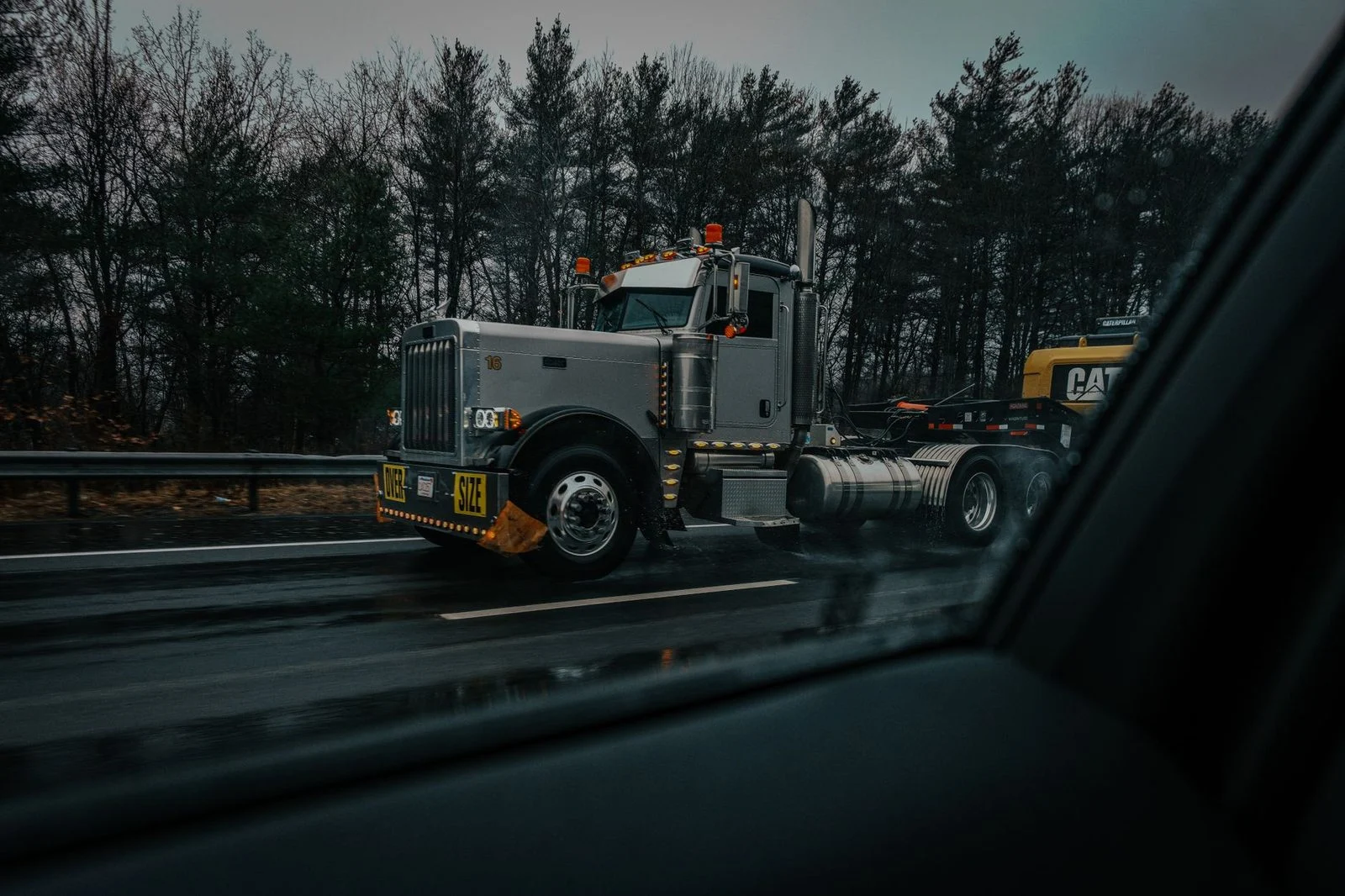
How Cargo Comes Loose and Causes a Crash
Loads come loose when forces act on them and the restraints don’t hold. Hard braking, sharp turns, lane changes, and sudden stops all push cargo forward, sideways, or backward. If the load isn’t blocked or tied down enough, it can move.
Shifting weight changes how the trailer sits and balances. Federal rules say cargo must not shift enough to hurt the vehicle’s stability or maneuverability, as § 393.100 explains. When that happens, a driver can lose control, or the truck can tip over.
Falling cargo is a separate danger. A bundle, coil, or piece of equipment that drops onto the lanes leaves other drivers little time to react. They may swerve, hit the debris, or strike the object itself.
Weak equipment adds to the risk. A cracked anchor point, a damaged strap, or a load heavier than its restraints can handle may all play a role. Investigators look at these conditions to work out what went wrong.
The Federal Cargo Securement Rules Truck Drivers and Carriers Must Follow
Cargo that is not properly secured can shift or fall from a truck and create serious hazards for other drivers. They set out how cargo must be held on commercial motor vehicles. Under § 393.106(b), cargo must be firmly immobilized or secured by structures of adequate strength, dunnage or dunnage bags, shoring bars, tiedowns, or a combination of these.
Tiedowns must have enough strength. The aggregate working load limit must be at least one-half the weight of the cargo, under § 393.106(d). Tiedowns can’t contain knots, per § 393.104(f). Tiedowns and cargo securement parts with damaged or weakened components, such as cracks or cuts that will adversely affect their performance, cannot be used to secure cargo, under § 393.104(b).
Length adds requirements.
Drivers have duties too. Under § 392.9(a), a driver may not operate a commercial motor vehicle unless the cargo is properly distributed and adequately secured. The driver must check it again during the trip, including after 3 hours of driving or 150 miles, whichever comes first, under § 392.9(b).
Types of Cargo Most Often Involved in Unsecured Load Accidents
Heavy, round, long, and bundled cargo each create different risks. Steel coils, lumber, pipe, and machinery all behave differently on a moving trailer. The same strap that holds a pallet may not hold a rolling coil.
The federal rules give some cargo its own standards. Metal coils weighing 5,000 pounds or more follow § 393.120. Bundles of dressed lumber and building products such as plywood and gypsum board follow § 393.118.
Shape and weight drive the risk. A heavy coil can roll if it isn’t chocked. Loose freight can slide when the driver brakes. Palletized freight that is poorly strapped can topple off its base and land in traffic.
Rolling cargo needs a real barrier. The rules require chocks, wedges, a cradle, or an equivalent means for articles likely to roll, under § 393.106(c)(1). That means the restraint must stay put while the truck is moving.
Common Injuries in Georgia Truck Accidents Caused by Unsecured Cargo
Falling cargo can crash through a windshield, crush a passenger car, or leave debris that starts a chain of collisions. Injuries from these events can range from minor cuts to serious harm that changes a person’s daily life.
Some injuries don’t show up right away. Getting checked by a medical provider soon after a crash creates a clear record of what happened. Waiting can make it harder to connect treatment to the crash.
Medical bills can affect a settlement. Medical bills and health insurance benefits tied to an accident can affect how a claim is handled, so it helps to raise these questions early. Terance Madden of T. Madden & Associates, P.C. can review your situation during a free, confidential initial consultation with no obligation to continue.
When injuries are severe or a crash is fatal, the case may call for a closer look at catastrophic injury or wrongful death issues. Each case is different.
Who May Be Responsible When Cargo Is Not Secured
More than one party can share responsibility. The driver, the motor carrier, the shipper or loader, and the company that arranged the load may each be involved. The answer depends on who secured the cargo and who controlled the loading.
Georgia law makes a person liable for torts committed by a servant in the prosecution and within the scope of the person’s business, under O.C.G.A. § 51-2-2. This can reach the company that employs the driver.
Fault is compared across the parties. Under O.C.G.A. § 51-12-33, damages are reduced in proportion to the injured person’s share of fault. A plaintiff who is 50 percent or more responsible for the injury recovers no damages.
Each defendant pays its own share. The statute says apportioned damages are not a joint liability among the persons liable, and they are not subject to any right of contribution.
Investigators look at loading records, bills of lading, securement equipment, driver logs, and inspection reports. The facts of each crash decide responsibility. The review often takes time because records must be requested and studied.
Not sure what your next step is?
Talk it through with our team — the first consultation is free, confidential, and carries no obligation.
What to Document After a Crash Involving a Load That Came Loose
Photos matter most. Take pictures of the scene, the trailer and cargo if it’s safe to do so, debris on the road, and damage to every vehicle involved.
Write down the truck company name and the DOT number if you can see them. Note the trailer or license plate information, the names of any witnesses, and the police report number.
Keep a file of medical visits, treatment notes, and out-of-pocket costs. That includes prescriptions, rides to appointments, and pay lost from work. Save receipts and write down the dates.
Early notes help because a later review looks at how the scene and the load looked when the crash happened. Memories fade, and a written timeline keeps the details straight.
Frequently Asked Questions About Unsecured Cargo Truck Accidents in Georgia
How much money can you get from a truck accident?
Compensation depends on the injuries, losses, and facts in each case. Georgia damages are given as compensation for injury, as O.C.G.A. § 51-12-4 describes.
How long does a semi-truck accident settlement take?
Timing depends on the investigation, medical treatment, and negotiations. Each claim moves at its own pace.
Is Georgia a no-fault state for auto accidents?
Fault still matters in Georgia. Under O.C.G.A. § 51-12-33, damages are reduced by the injured person’s share of fault, and the injured person receives no damages if they are 50 percent or more responsible for the injury or damages claimed.
What is the average settlement for a commercial vehicle accident in Georgia?
No single average applies to every case. The amount is shaped by the injuries, the losses, and how fault is shared.

Talk With T. Madden & Associates About a Crash in Clayton County or Elsewhere in Georgia
You may be reading this for a family member, a friend, or yourself after a crash you never chose. You might still be deciding what to do next, and that is a reasonable place to be.
If a load came loose, a truck crashed, and you’re trying to understand whether cargo securement played a role, a conversation can help sort out the facts. T. Madden & Associates, P.C., led by attorney Terance Madden and in practice since 1999, has offices in Jonesboro, Atlanta, Decatur, Macon, and Augusta.
The first consultation is free, confidential, and carries no obligation to continue. We work on a no fee unless we win basis, but you may still be responsible for court costs and case expenses.
If a load came loose and changed your life, you don’t have to sort out the crash alone. Reach out through our contact page and we’ll talk through the facts with you.
For more on truck crash claims, read our Georgia truck accident lawyer guide and our Clayton County page.
Disclaimer: This page is general information, not legal advice. Responsible lawyer: Terance Madden, T. Madden & Associates, P.C., Jonesboro, Georgia. Contact us through our contact page.
How We Can Help
Attorneys You Can Reach
Our lawyers, including Terance Madden and Shenia Madden, focus on people injured in truck and highway crashes across Georgia.
Careful Case Review
We look at the crash, the cargo, the truck and the paperwork to understand what happened on the road.
Fees Explained Up Front
Our fee is contingent, so there is no fee unless there is a recovery. You may still be responsible for court costs and case expenses.
A Free, Confidential Consultation
Your first consultation is free, confidential and comes with no obligation to continue.
Act Quickly to Protect Evidence
Photos of the scene, the vehicles, and any cargo that fell or shifted can be lost in the days after a crash. Keep your medical records, insurance letters, and any notes about the driver or company involved.
Key Facts About Unsecured Load Crashes
Why Loads Come Loose
Cargo can shift, fall or bounce off a truck when it is not properly strapped, chained, or braced for the trip.
Who Is Involved
A single crash can involve the driver, the trucking company, the cargo loader, and other drivers on the road.
What Injuries Look Like
Falling debris and sudden impacts can cause broken bones, head injuries, spinal damage and serious internal harm.
What to Bring to Us
The crash report, photos, witness names, medical bills and any messages from insurers help us understand your case.