

Georgia crash guide | Jonesboro, Atlanta, Decatur, Macon, Augusta
Hurt in a Georgia crash? Know what the police report can do for you.
Paperwork from the scene can shape your claim long after the tow truck leaves. Here is what to ask for, what to keep, and when to call a lawyer.
Serving Georgia since 1999
1999
Year the firm began practice
5
Georgia offices: Jonesboro, Atlanta, Decatur, Macon and Augusta
By Terance Madden · Published November 9, 2026
Someone you love was hurt in a crash, and now the paperwork and phone calls are piling up. Do you need to file a crash report, or did the police already handle it?
The answer depends on what the crash caused. If it led to injury, death, or property damage of $500 or more, Georgia law requires the driver to report it right away.
The short answer: when Georgia requires a crash report
Georgia law requires drivers to notify police, the sheriff, or the state patrol immediately when a crash causes injury, death, or property damage to the apparent extent of $500 or more. The driver must act immediately. The driver must give notice “by the quickest means of communication.” Inside a city, that means the local police department. Outside a city, it means the county sheriff or the nearest state patrol office. O.C.G.A. § 40-6-273
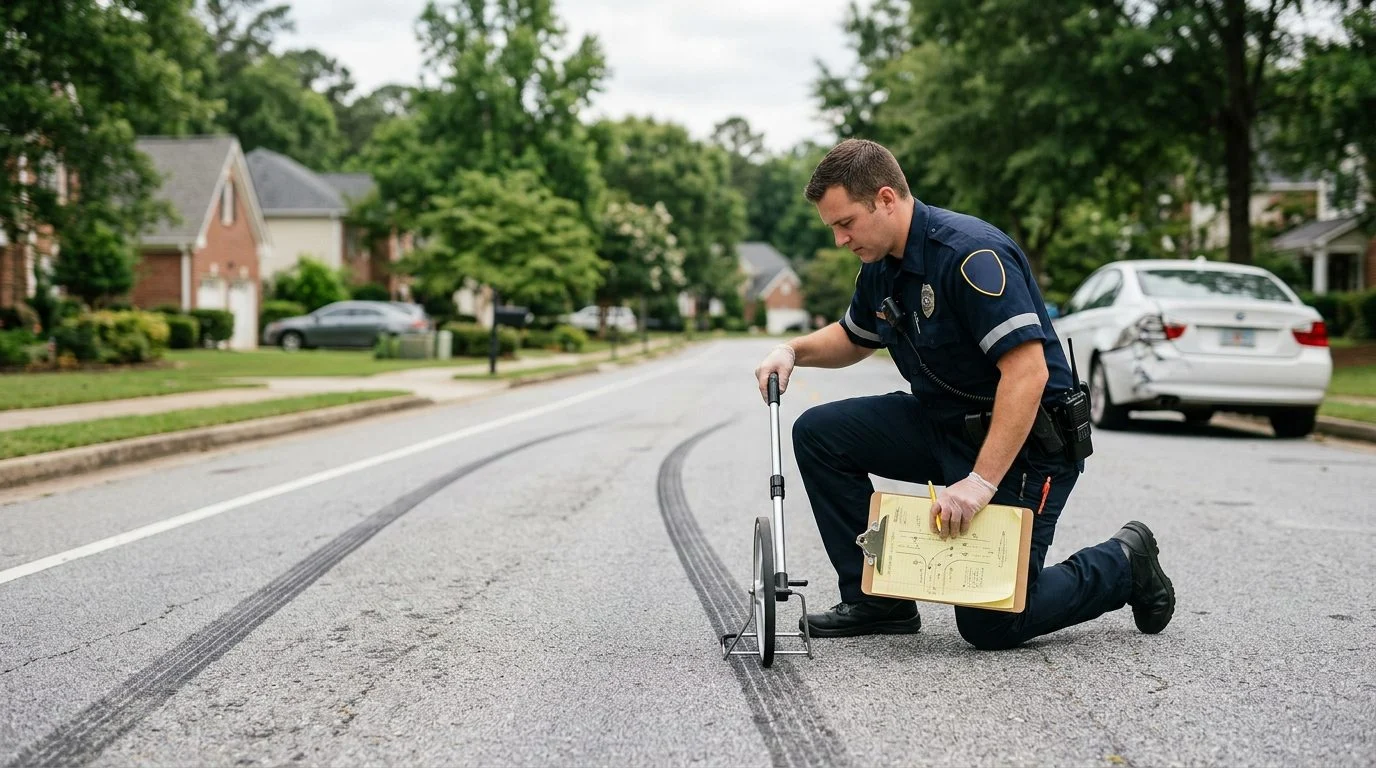
When an officer responds, the officer writes a police crash report, often called a crash report. It records what the officer saw, measured, and heard from the people involved.
A crash report is strong evidence, but it is not a final verdict. It does not decide, by itself, who was at fault. Liability (legal responsibility for harm) is decided on all the evidence, and the report is one piece of it.
If someone you love was hurt in a crash that someone else caused, you don't have to face the report and the insurance calls alone. Our team is ready to talk. Talk it through with our team — the first consultation is free, confidential, and carries no obligation.
Who files what, and when
The driver’s first job is to stop and help. The law spells out what that means.
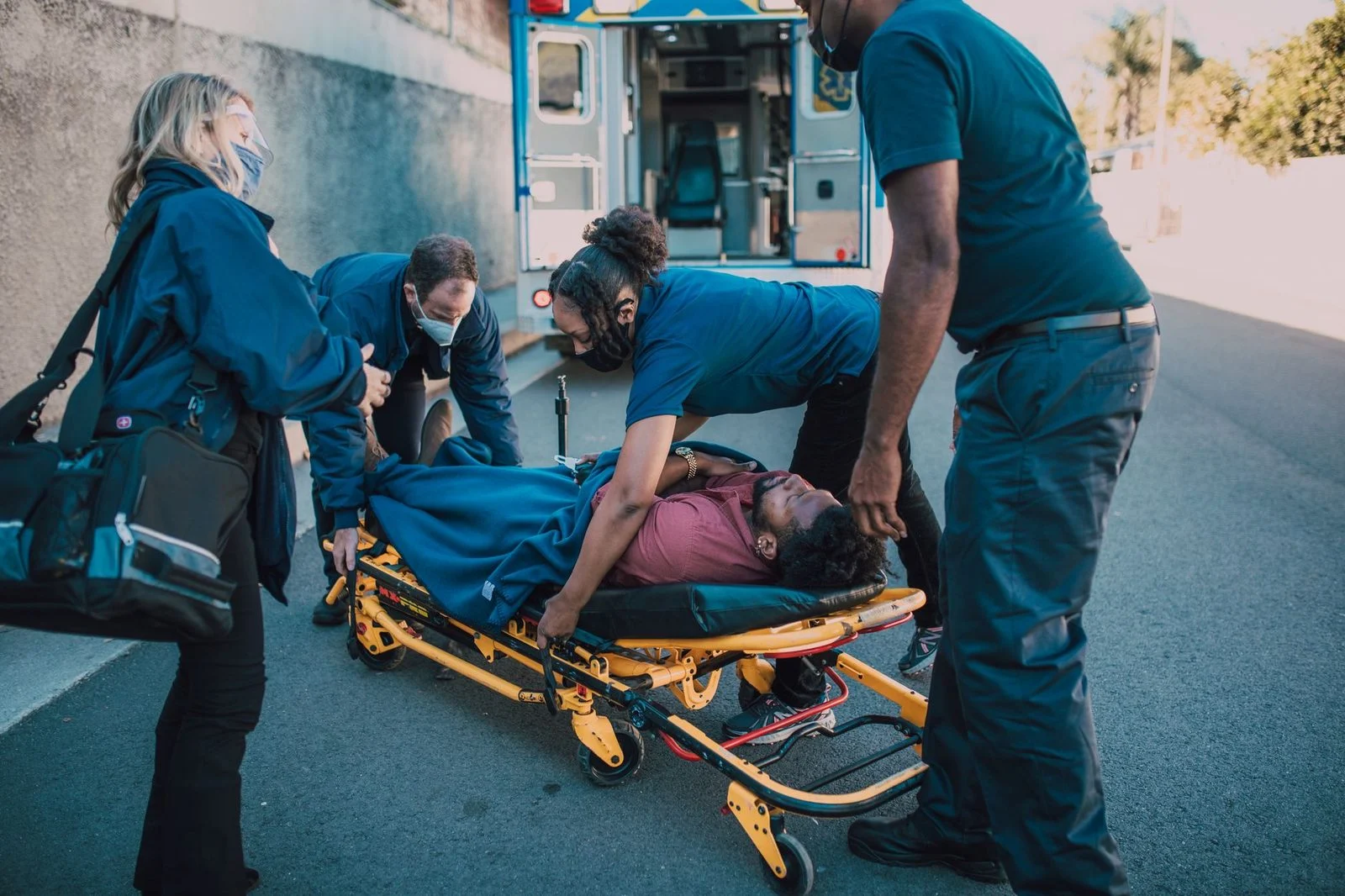
Under O.C.G.A. § 40-6-270(a), a driver in a crash that injures someone, or damages a vehicle that is driven or attended by someone, must stop at the scene or as close as possible. The driver must give a name, address, and vehicle registration number. On request, the driver must show an operator’s license if one is available. The driver must also give reasonable help to an injured person, including arranging a ride to a doctor or hospital when treatment looks necessary or the injured person asks for it. If someone is unconscious, appears deceased, or is otherwise unable to communicate, the driver must make every reasonable effort to ensure emergency medical services and local law enforcement are contacted, and must stay until those duties are met.
Where the crash causes death or serious injury, a driver who knowingly fails to stop and comply with the duties at the scene commits a felony, and upon conviction is punished by imprisonment for not less than one nor more than five years under O.C.G.A. § 40-6-270. For other injuries or damage to a vehicle, a knowing failure to stop is a misdemeanor. A first conviction carries a fine of not less than $300 nor more than $1,000, which cannot be suspended, stayed, or probated, or up to 12 months in jail, or both.
Every case turns on its own facts.
If a report has an error, raise it in writing with the agency that wrote it as soon as you spot it.
What the report does for an injury claim
The report gives the basic facts of the crash, and Big Insurance reads it closely. It usually lists the date, time, and place. It lists each driver and vehicle, insurance details, witness names, and the officer’s diagram and notes.
Big Insurance looks for anything that suggests the crash was minor or that the injured person shares the blame. Georgia uses comparative fault (shared fault). Under O.C.G.A. § 51-12-33(a), a judge reduces the damages in proportion to the injured person’s share of fault. Under § 51-12-33(g), a person who is 50 percent or more responsible is not entitled to receive any damages.
This is where an engineer’s eye helps. Terance Madden holds a B.S. in Electrical Engineering, and he reads diagrams and measurements the way an engineer does. He checks the officer’s diagram against the vehicle damage, the skid marks, and where the vehicles came to rest. If those facts don’t match the report, that gap is worth raising.
How Big Insurance uses the report and early calls
Big Insurance is not on your side, and a first offer is rarely what a claim is worth. Expect early calls from the insurer. An adjuster may ask for a recorded statement, an audio interview the company keeps and can use later.
Expect a quick, low offer made before the medical picture is clear. Expect delays in paying bills, arguments about whether treatment was needed, and “low impact” claims that say small vehicle damage means small injuries. A crash can look minor and still cause real harm.
A deadline set by the other side is not automatically a fair one.
Before you give a recorded statement or sign a release (a signed document that ends the claim), understand the injuries and the coverage.
A claim may draw on more than one source of coverage. That includes the at-fault driver’s liability policy (the coverage that pays what that driver owes), your own uninsured or underinsured motorist coverage (protection when the at-fault driver has too little or no insurance), any umbrella or excess coverage (extra policy limits above the primary policy that pay after it runs out), and corporate coverage where a company is responsible.
For the person managing the recovery
If you’re keeping the report, the calls, and the appointments, you’re holding a lot together. You may be a spouse, a mother, or an adult daughter. A simple system makes the next months easier.
Keep these items in one folder:
- A copy of any crash report.
- Photos of the scene, the vehicles, and visible injuries.
- Names and phone numbers of witnesses.
- A log of every insurer call: the date, the person’s name, and what was said.
- Every medical bill, receipt, and visit note.
Keep the injured person’s own forms together, too. Don’t sign anything on their behalf, and read every page before you sign. Special damages (those that actually flow from a tortious act and must be proved) depend on that paper trail, per O.C.G.A. § 51-12-2.
Put a date on the calendar. Under O.C.G.A. § 9-3-33, a lawsuit for injuries to the person generally must be brought within two years after the right of action accrues. Georgia appellate opinion on deadline Deadlines depend on the facts of the case.
Talk with the firm before the next call comes in
If someone you love was hurt in a crash caused by another driver, a short conversation can help you choose your next step. Maybe a family member is still in treatment, a report needs follow-up, and the insurance calls have already started. You don’t have to sort all of that out alone.
Start a free case evaluation with T. Madden & Associates, P.C. The first consultation is free, confidential, and carries no obligation to continue. Terance Madden is the responsible lawyer for this page. The firm has practiced since 1999, with offices in Jonesboro, Atlanta, Decatur, Macon, and Augusta.
Not sure what your next step is?
Talk it through with our team — the first consultation is free, confidential, and carries no obligation.

Frequently Asked Questions
Do I need to file an accident report after a crash in Georgia?
Often, yes. Georgia law generally requires drivers to report a crash to police when it causes injury, death, or property damage. Ask the investigating officer how to get your report.
Do I still need a police report if I was hurt in a crash?
Yes, if police responded to the scene, ask the officer for the report number before you leave. That record gives your insurance claim and any lawsuit a starting point for what happened.
Should I give the other driver’s insurer a recorded statement?
Not before you talk to a lawyer. Big Insurance adjusters often ask for a recorded statement early, and a few offhand words can be used to shrink your injury claim or blame you for the crash.
What if the crash report is wrong or incomplete?
Ask the agency that wrote it to correct the mistake, and keep photos, notes, and medical records. Hurt in a crash that was someone else’s fault? Call T. Madden & Associates, P.C. for a free, confidential first consultation with no obligation to continue.
Note for reviewer: I added five links from the approved list (Georgia Uniform Vehicle Accident Report, Georgia Department of Public Safety handout, Quynn v. Hulsey, and the Georgia appellate opinion). The existing legis.ga.gov statute links were already in the article and were left unchanged, but they are not in the approved source list and should be verified against it.