

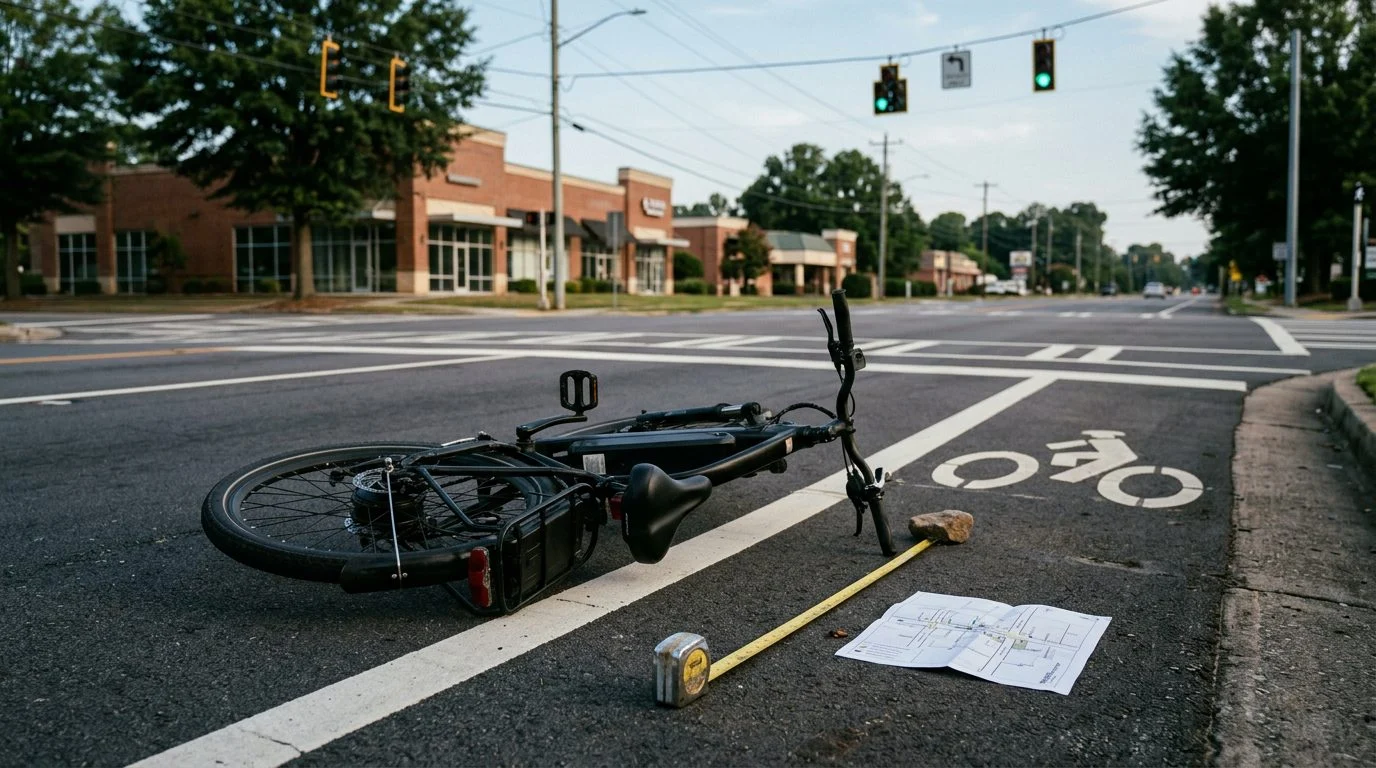
E-bike crashes in Georgia
Hurt on an E-Bike? Get Clear Answers Before You Decide Anything.
Georgia's rules for e-bikes are easy to misread, and the wrong assumption can cost you. Terance Madden has represented injured people in Georgia since 1999.
Serving Georgia from five offices
1999
Year Terance Madden began practicing law in Georgia
5
Offices in Jonesboro, Atlanta, Decatur, Macon and Augusta
By Terance Madden · Published November 20, 2026
You asked whether you need a license to ride an electric bike in Georgia. Maybe you’re buying one for yourself. Maybe you’re planning for a son, a spouse or a parent who wants to ride.
Here’s the short version. Georgia sorts e-bikes by motor and speed, and that build decides which rules apply.
The short answer for Georgia riders
Start with the bike’s build, because Georgia’s rules follow it.
Georgia’s motor vehicle code, Title 40 of the Official Code of Georgia Annotated (O.C.G.A.), covers electric bicycles. The City of Brookhaven’s e-bike safety guidance says the state classifies e-bikes by motor and speed.
Three points shape your answer: the bike’s class, insurance and traffic laws. If you’re buying for someone else, ask the seller for the motor and top speed in writing before you pay.
If someone you love was hurt in an e-bike crash or battery fire, you don't have to figure out the next steps alone. Start a free case evaluation with T. Madden & Associates, P.C. Talk it through with our team — the first consultation is free, confidential, and carries no obligation.
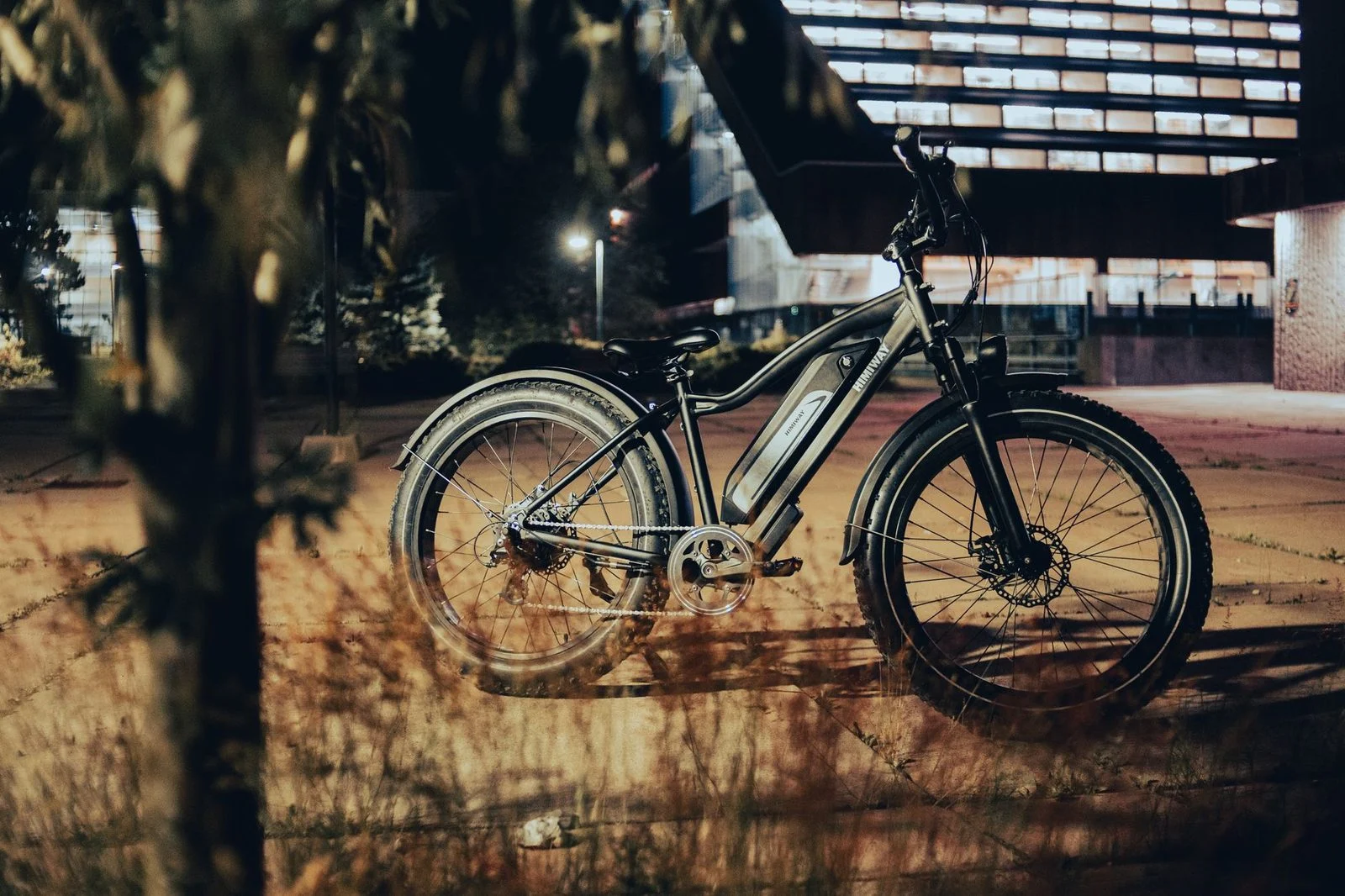
How Georgia law sorts electric bikes
Georgia sorts e-bikes by motor and speed, so the bike’s build sets the rules you follow.
Path use is one rule that depends on what the bike is.
A bike changed to go faster, or fitted with a different motor, may no longer match the state’s definition. When that happens, the rules that apply can change too.
Keep the bike as the maker built it, and keep the paperwork that lists its motor and top speed. Those records are the first thing to check if a question comes up.
Rules that still apply once you’re on the road
Under O.C.G.A. § 51-1-2, ordinary diligence is the care an ordinarily prudent person takes in similar circumstances. Missing that care is called ordinary negligence.
Fault is often shared. Under O.C.G.A. § 51-12-33, damages are cut by the injured person’s share of fault. A person who is 50 percent or more responsible recovers nothing.
The law also splits fault among everyone who contributed. Each liable person pays only its own share.
Under O.C.G.A. § 51-11-7, if you could have avoided the harm caused by the other side’s negligence by using ordinary care, you can’t recover for it; otherwise, the other side is not let off just because you may have contributed in some way.
A driver who breaks a traffic rule may owe damages. O.C.G.A. § 51-1-6 lets an injured person recover for breach of a legal duty that causes damage.
When the question comes after a crash or battery fire
If you’re asking after a crash, the license answer does not decide who was at fault.
A careless driver and a defective battery are different problems. A battery, charger or motor defect can point to the maker or the seller of the product.
A product seller is a business that sells or distributes a product. Under O.C.G.A. § 51-1-11.1, a product seller is not a manufacturer for strict-liability claims (claims that a defective product caused harm, without proof of carelessness) and is not liable as one.
Terance Madden holds a B.S. in Electrical Engineering and trained as an engineer before law school. In a battery case, he looks at the cells, the charging circuits and the certification marks on the product. The origin-and-cause investigation traces where the fire started. Those details show what failed, and they show which records must be preserved early.
Start with the evidence. Keep the bike, battery and charger. Photograph the scene and the damage. Save medical records and receipts.
Big Insurance often opens with a low offer. Adjusters may ask for a recorded statement early, stretch out the file or dispute treatment. A first offer is rarely what a claim is worth. The firm pursues every coverage layer that may apply, including liability coverage, uninsured and underinsured motorist coverage (UM/UIM, which can apply when the at-fault driver has too little or no coverage) and umbrella policies, along with the full cost of the injury over time.
If you’re the one handling the calls, bills and paperwork, you’re carrying a lot. The firm aims to explain each step in plain English.
For the wider picture, read our e-bike accident guide.
Quick answers
Does the license answer decide a claim?
No. Fault and damages are decided under the rules above, not by the license answer.
How long do I have to file suit?
Georgia sets firm deadlines for filing suit, so timing matters from the start.
Talk to the firm about your e-bike situation
T. Madden & Associates, P.C. has been in practice since 1999, with offices in Jonesboro, Atlanta, Decatur, Macon and Augusta.
If someone you love was hurt in an e-bike crash or a battery fire, and you’re still sorting out what happened, you don’t have to do it alone. The first consultation is free, confidential and carries no obligation to continue. Start a free case evaluation.