

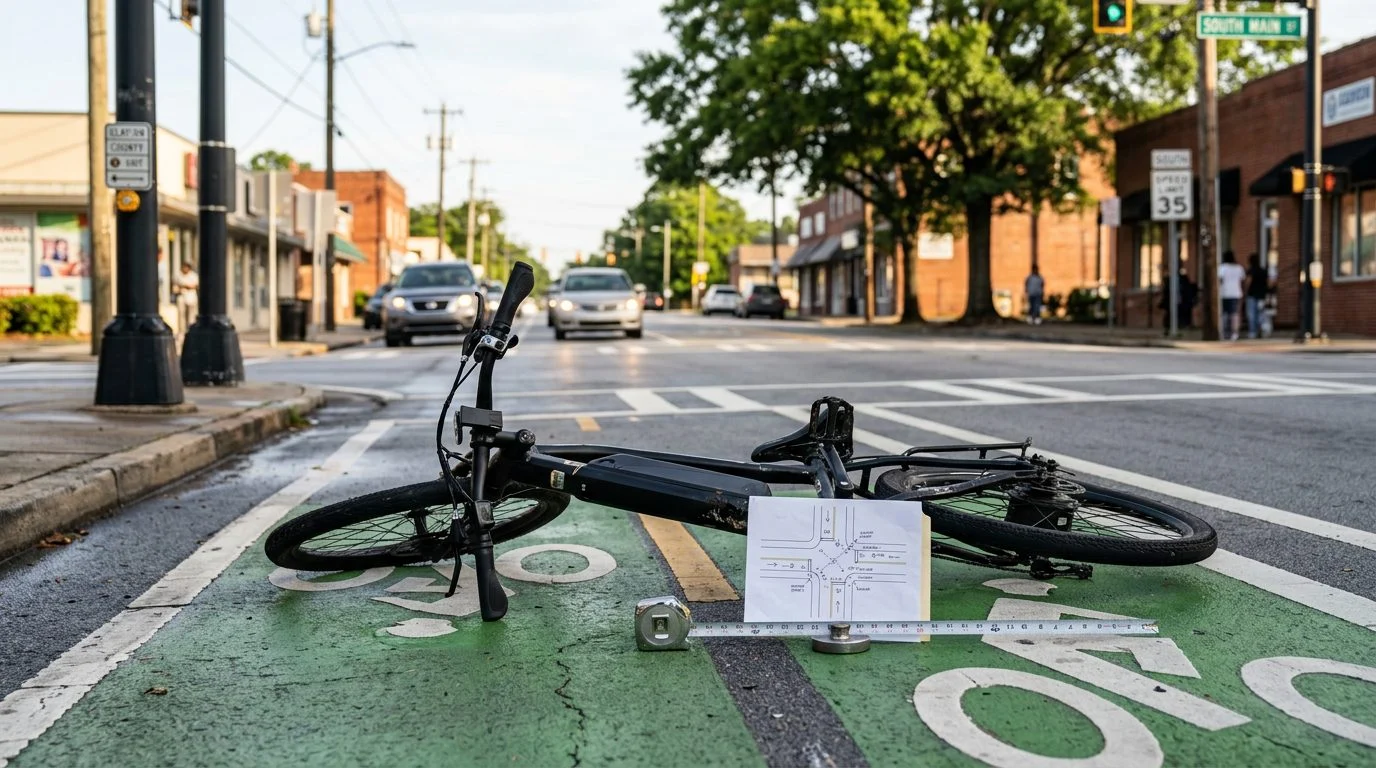
E-bike and lithium battery fires | Georgia
Lost a Home or Family Member to a Charger Fire? Talk to a Georgia Lawyer
Defective chargers, off-brand batteries and fast-moving smoke leave families with questions. Our team helps you sort out what happened and who may be responsible.
T. Madden & Associates, P.C.
Since 1999
Representing injured Georgia families
5
Georgia offices: Jonesboro, Atlanta, Decatur, Macon and Augusta
24/7
Call us anytime to talk about your case
By Terance Madden · Published November 16, 2026
A house fire is frightening enough. When it starts at an e-bike charger or battery, the loss can feel even more unfair. If your home burned, or someone you love was hurt or killed, you may have a claim against the companies behind the product.
Georgia law lets people pursue payment for losses caused by a defective product. Here is how that claim works and what to do now to protect it.
When an E-Bike Charger Starts a House Fire, Who Is Responsible?
The companies that made, sold or distributed the product may be responsible. Lawyers call this a product liability claim (a claim that a defective product caused harm).
Under Georgia law, a manufacturer of a product sold as new can be liable to any natural person who may use, consume, or reasonably be affected by it and who suffers injury, but no action may be commenced after ten years from the date of the first sale for use or consumption of the product causing the injury. That applies when the product was not merchantable and reasonably suited to its intended use, and its condition when sold by the manufacturer caused the injury (O.C.G.A. § 51-1-11).
T. Madden & Associates, P.C. is a personal injury and wrongful death firm in practice since 1999. It has offices in Jonesboro, Atlanta, Decatur, Macon and Augusta, and it serves Clayton County and the surrounding area.
If an e-bike charger or battery burned your home or took someone you love, you may have a claim, and the first step is a free talk with our team. Talk it through with our team — the first consultation is free, confidential, and carries no obligation.
What a Claim Can Cover
A claim can seek payment for property loss, medical care, lost income and pain. Georgia splits losses into two kinds:
- Special damages are losses you prove with bills and receipts, such as medical costs and lost pay (O.C.G.A. § 51-12-2).
- General damages are losses the law presumes come from the harm, such as pain and suffering.
Here is what that can look like after a fire:
- Property: the home, belongings and vehicles lost to smoke, flames, heat and water.
- Medical care: burn treatment, smoke injury care, surgery, rehab and future care. Georgia limits medical damages to the reasonable value of medically necessary care (O.C.G.A. § 51-12-1.1).
- Lost income: pay lost by the injured person, and by a caregiver who had to stop working.
- Lifetime losses: future economic damages, such as future medical expenses and lost wages, can be reduced to present value (O.C.G.A. § 51-12-13).
If a family lost someone, Georgia lets a surviving spouse recover the full value of the decedent’s life, as shown by the evidence. Without a spouse, children may recover (O.C.G.A. § 51-4-2).
How the Evidence Shows What Went Wrong
The evidence shows whether a battery or charger failed, and how the fire started. Lithium-ion batteries can overheat when internal parts fail, when a charger delivers the wrong power, or when a battery is damaged or poorly built.
The evidence usually tests four common failure paths:
- A defect inside the battery cells or pack.
- A charger that does not control power correctly.
- A counterfeit or off-brand part.
- Damage or modification after the purchase.
Terance Madden trained as an electrical engineer, and then went on to study law. He starts by asking what the evidence shows: the cells, the charging circuit, the certification marks, and the origin-and-cause investigation that traces where the fire began. He also asks which devices and records exist and makes sure they are preserved.
Preserve these items now:
- Keep the battery, charger, cords, outlet and power strip. Don’t plug them in or repair them.
- Photograph the scene before cleanup, if you can do it safely.
- Save receipts, online listings and messages with the seller.
- Write down what happened and when.
Georgia reduces damages by the injured person’s share of fault. It bars recovery at 50 percent or more (O.C.G.A. § 51-12-33).
What to Expect: Step by Step
The process starts with a free review and moves through evidence, negotiation and, if needed, a lawsuit.
- Free consultation. The initial consultation is free, confidential, and without obligation to continue.
- Evidence preservation. The firm sends letters to preserve the device and scene, and requests records from the fire department, the utility and the seller.
- Investigation. The firm identifies the product, the seller and every party that may share fault, then reviews the failure evidence with engineering help.
- Claim presentation. The firm notifies the responsible parties and their insurers, with a damages package covering medical, property, income and future losses.
- Negotiation. Several insurance policies may be relevant, depending on the facts, including the liability coverage of the product’s maker or seller.
- Lawsuit, if needed. The firm files within Georgia’s deadlines and prepares the case as if it will go to trial.
Timing matters. Georgia gives two years after the right of action accrues (the date you can first sue) for injuries to the person, except loss of consortium claims, which get four years (O.C.G.A. § 9-3-33). Claims for damage to personal property, such as belongings, must be brought within four years after the right of action accrues (O.C.G.A. § 9-3-31). A ten-year limit on claims against manufacturers runs from the first sale, and it has exceptions, so the firm checks dates early (O.C.G.A. § 51-1-11).
If Medicare paid for care, it may be owed money back. Medicare may have conditional payments that must be repaid from a settlement (CMS Medicare Secondary Payer overview).
Big Insurance is not on your side. Expect an early low offer, a recorded statement taken before you understand the claim, slow payments, and arguments that the cause is unclear or the device was modified. A first offer is rarely what a claim is worth.
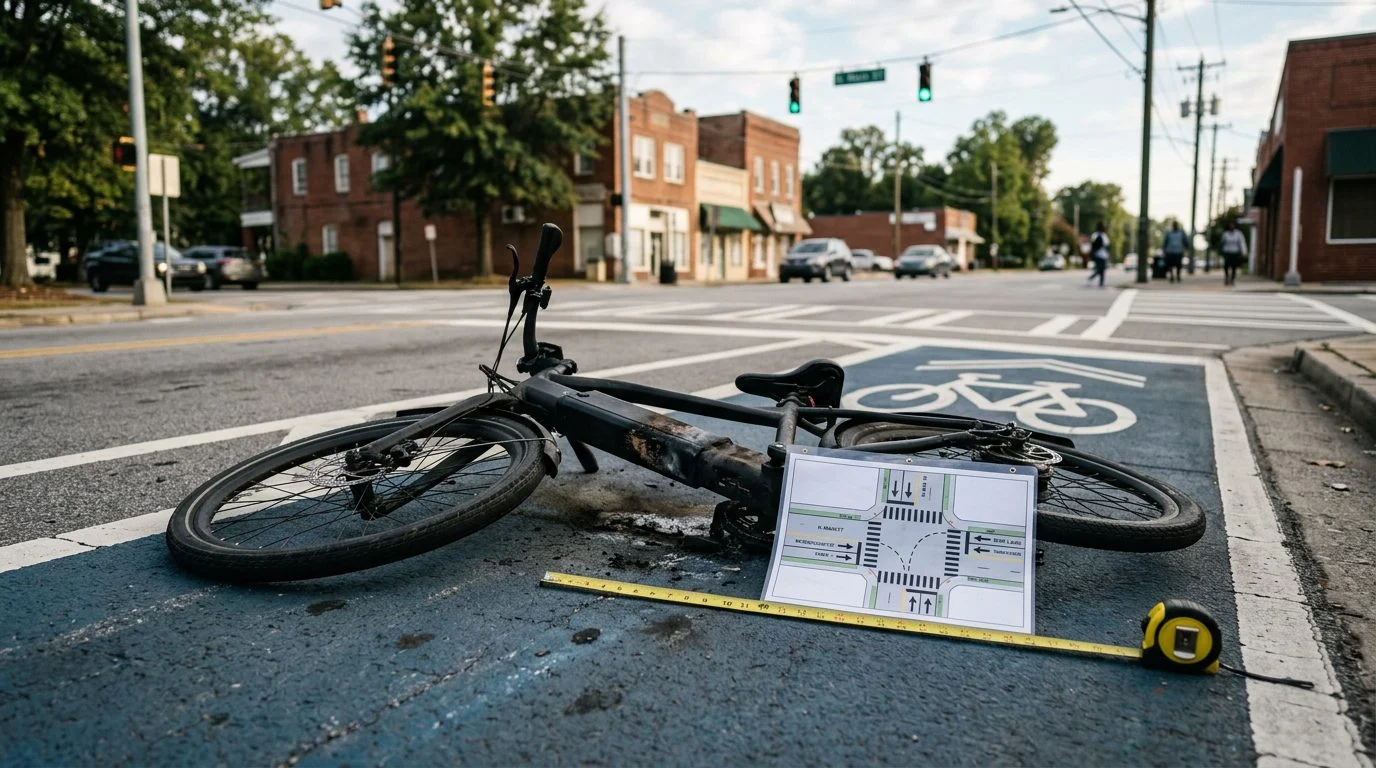
The Person Managing the Recovery
If you’re the one managing your family’s recovery, you’re carrying a lot. Often that is a spouse, a mother or an adult daughter. You make the calls, track the bills, fill out insurance forms, and juggle work, school and hospital visits.
You’ll also get a clear list of records to gather. Start with these:
- Photos of the home and the device.
- The fire report number.
- Medical bills and insurance explanations.
- Pay stubs and records of lost work.
- A written timeline of the day of the fire.
A family member can call and start the free case evaluation for the injured person.
Next Steps After a Serious Injury
T. Madden & Associates, P.C. has been in practice since 1999. It handles personal injury, product liability and wrongful death matters in Georgia. Terance Madden is the responsible lawyer for this page. The firm’s lawyers include Shenia Madden, and our team handles intake and case support.
Offices are in Jonesboro, Atlanta, Decatur, Macon and Augusta.
Not sure what your next step is?
Talk it through with our team — the first consultation is free, confidential, and carries no obligation.
Common Questions About E-Bike Charger Fire Claims
Do I need to keep the original charger or battery?
Yes. Keep the device, and don’t repair or plug it in, because the physical evidence is central to the claim.
What if the charger was bought online or from an unknown brand?
Off-brand and counterfeit parts can be part of a product liability claim. The firm reviews where the product came from and who sold it.
What if the fire department can’t say what caused the fire?
The firm reviews the investigation, the scene and the device before deciding how to proceed.
Does homeowner’s or renter’s insurance cover this?
A home policy may pay part of the property loss. Other responsible parties’ coverage may also apply, and the firm pursues every layer.
Is the insurer’s first offer fair?
A first offer is rarely what a claim is worth. Don’t accept one before the full damages are known.
Can a family sue after a fatal fire?
Yes, in many cases. Georgia law lets a surviving spouse, or children if there is no spouse, pursue the full value of the decedent’s life (O.C.G.A. § 51-4-2).