

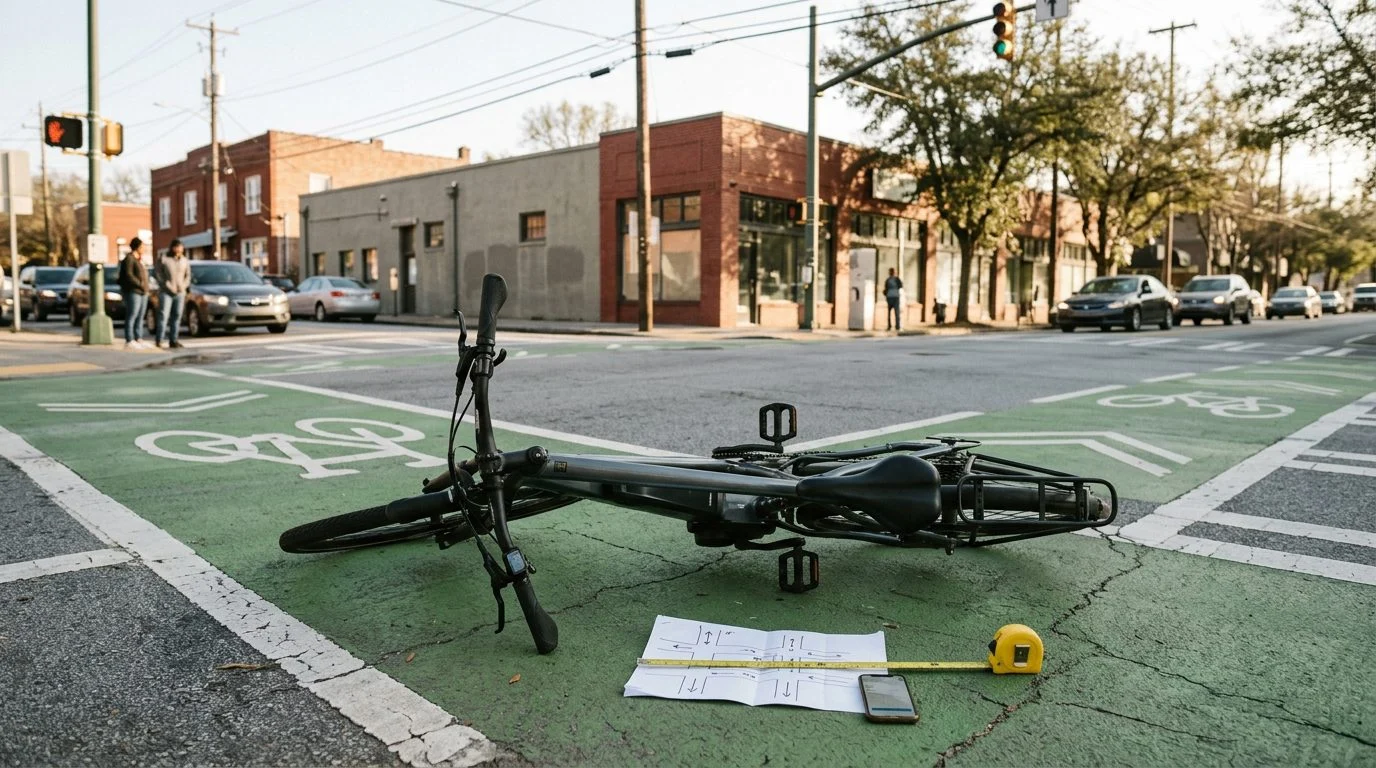
E-bike crashes · Georgia
Your E-Bike Logged the Ride. Let's Find Out What It Shows.
App history, controller readings and battery data can answer the questions a crash leaves open, but only if they are protected and read correctly.
The firm at a glance
1999
In practice since
5
Georgia offices: Jonesboro, Atlanta, Decatur, Macon, Augusta
24/7
Call us any time
By Terance Madden · Published November 20, 2026
Your e-bike may hold a record of the ride, and that record can disappear fast. The motor controller, the battery system and the companion app may log speed, power use and time stamps. What they show depends on the make, model, firmware and settings, so the device itself has to be checked.
E-bike crash app data is evidence in Georgia, and the clock matters as much as the data. Georgia generally requires injury lawsuits to be filed within two years after the right of action accrues (O.C.G.A. § 9-3-33). That means the data work should start now.
What Your E-Bike May Have Recorded Before and After the Crash
Most e-bikes keep some record of a ride, but how much they keep varies a lot. Four sources matter most.
The motor controller tracks how hard the motor works. The battery management system watches charge, voltage and health. The companion app may save trip history to an online account. Your phone may hold GPS records showing where the ride went.
Each source keeps different things for different lengths of time. A controller may store only a short window around a sudden stop. An app may sync full trips. Some bikes keep little the owner can reach. The make, model, firmware and app settings decide the difference.
A printout or a screenshot is not the original file. Police reports record what officers saw at the scene. Device data records what the bike was doing in the seconds before it stopped. You need both, read side by side. For the wider picture, see e-bike accident claims in Georgia.
Not sure what your next step is?
Talk it through with our team — the first consultation is free, confidential, and carries no obligation.
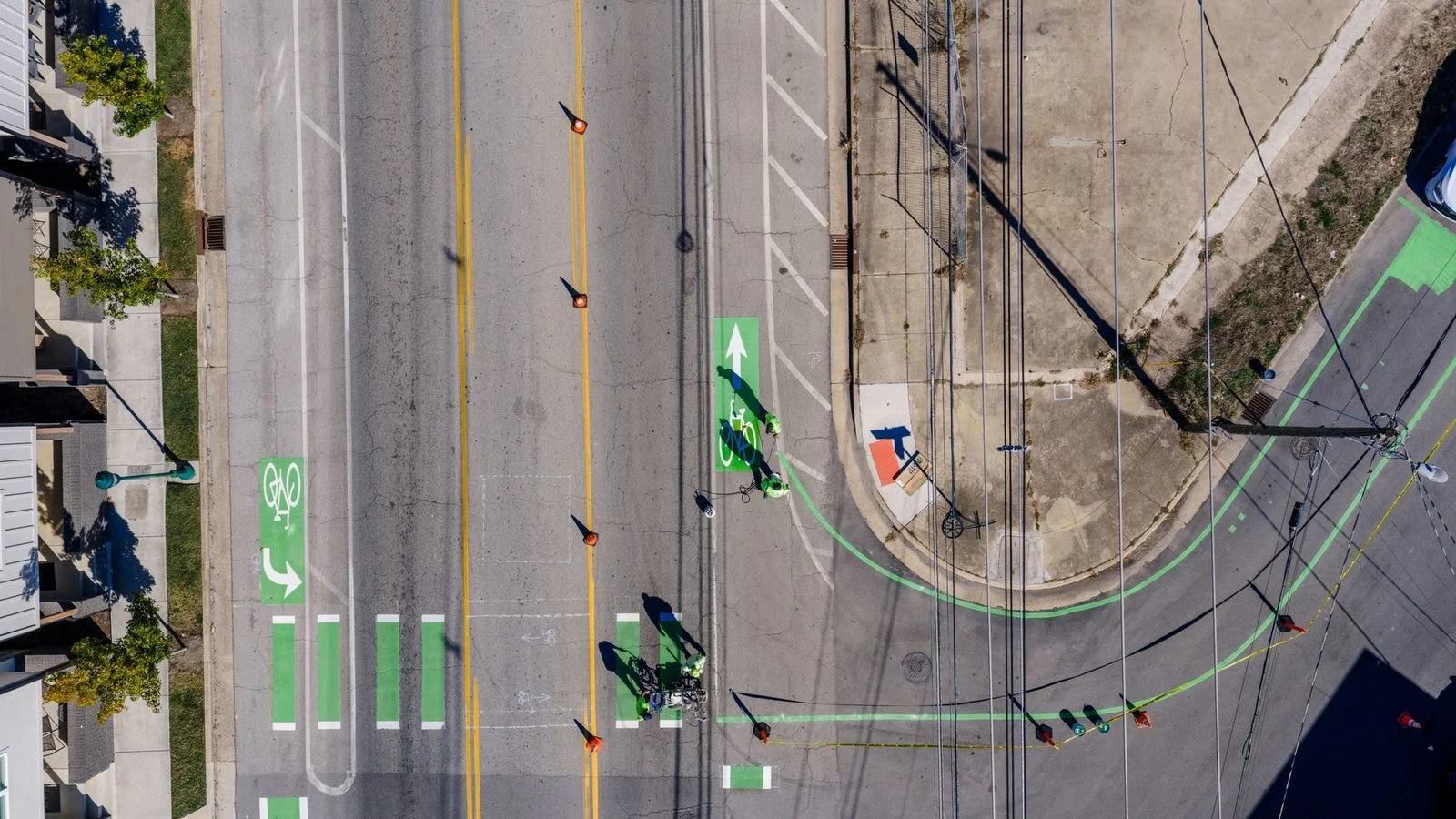
Speed, Assist Level and Braking: What the Logs Can Show
Device logs can show speed, pedal-assist level, throttle use, motor power and time stamps. Together, those fields answer a basic question. Was the motor pushing the bike when the crash began?
Time stamps do the heavy lifting. Entries in order show when the rider slowed, when the bike stopped, and when a car, truck or pedestrian came into the picture. The gaps matter too. A missing stretch can point to a power loss, a reset or a setting that stopped logging. Gaps invite hard questions, and those questions need the device in hand.
Georgia sets a clear duty for drivers. Under O.C.G.A. § 40-6-93, every driver of a vehicle must exercise due care to avoid colliding with any pedestrian on a roadway. If a pedestrian was hurt, that duty belongs in the review.
A log is one piece of evidence. It works alongside witness statements, photos, skid marks, the road layout and the damage to the bike. Alone, it can mislead. Read together, it tells a clearer story.
Battery and Power Data When a Fire or Sudden Shutdown Is Part of the Story
Battery data can show voltage, current and temperature, when the design records them. Those readings can show whether a battery overheated, shut down or ran past safe limits.
Lithium-ion batteries are the usual concern in these cases. A cell with a defect, a poor-quality charger or an off-brand part can fail in ways the rider could not see. The legal question is often whether the product was safe when it was sold.
Georgia separates the people who make a product from the people who sell it. A product seller is a person who, in the course of a business, leases or sells and distributes, installs, prepares, blends, packages, labels, markets, or assembles pursuant to a manufacturer’s plan, intention, design, specifications, or formulation, or repairs or maintains a product, or otherwise is involved in placing a product in the stream of commerce. This definition does not include a manufacturer which, because of certain activities, may additionally be included within all or a portion of the definition. Under O.C.G.A. § 51-1-11.1, a product seller is not a manufacturer for strict liability (liability without proof of carelessness). In Alltrade, Inc. v. McDonald, the court treated a company that only labeled a product as its own, with no input into its making, as a seller rather than a manufacturer.
Batteries, chargers and motors often come from different makers and sellers.
Why the Data Disappears and What to Do This Week
Device data can be overwritten quickly. Protect the bike, the phone and the app first.
Keep the bike as it is. Do not repair it, reset it or accept a firmware update. If the battery looks damaged, move the bike to an open area away from anything that can burn, and do not charge it. Keep the phone, the app login and the account password. Save the charger, the cables and any loose battery parts.
App data often syncs to a cloud account. A phone upgrade, a factory reset or a firmware update can overwrite what the bike stored. Once that happens, the lost data may be hard or impossible to rebuild.
A written preservation request asks the other side, and the companies that hold the data, to keep it. The firm can prepare and send one. Write down what you remember about the ride now: the route, the speed, the time of day and the weather. Hold off on posting about the ride online, since posts can be read as statements about the crash.
How Big Insurance Uses App Data Against an Injured Rider
Big Insurance is not on your side. A first offer is rarely what a claim is worth. The firm knows how to pursue what is owed.
Expect the tactics. Early requests for the app download. Recorded statements about speed and helmet use. A “low speed, low impact” argument meant to shrink the injury. Delays. Disputes over whether the treatment was needed. Each one aims to lock in a low number before the full records are read.
Georgia also lets fault be divided. Under O.C.G.A. § 51-12-33, damages are reduced in proportion to the injured person’s percentage of fault. A plaintiff 50 percent or more responsible recovers nothing. Device data often settles fights over speed and timing, which is why it gets read closely.
The response starts with the full data, not a summary. The firm pursues every coverage layer that may apply. That can include the at-fault party’s liability coverage, uninsured and underinsured motorist coverage (your own protection when the other driver has too little or no insurance), umbrella and excess policies, and any corporate or product policy. The case is prepared as if it will go to trial.
Damages are not always the whole injury: the judge reduces the award in proportion to the plaintiff’s percentage of fault, and the plaintiff receives no damages if the plaintiff is 50 percent or more responsible for the injury or damages claimed (O.C.G.A. § 51-12-33; Quynn v. Hulsey (2020)). Future medical care and lost earning capacity belong in that picture. If Medicare paid for care, CMS states that a conditional payment must be repaid when a settlement is paid.
How Terance Madden’s Engineering Training Shapes the Review
Before law school, Terance Madden trained as an electrical engineer. Terance Madden brings engineering training to his cases, and he has practiced law since 1999. He has been in practice since 1999.
He starts an e-bike case by asking what the evidence shows and how the crash happened. He reads controller and app data for time stamps, gaps and resets. He checks whether the numbers match the scene and the damage to the bike. He also asks which records exist and must be preserved, because overwritten data cannot be read later.
That same training helps identify other liable parties. A battery maker, a motor supplier, a charger maker or a repair shop may each have a role. Each may carry its own insurance, which can mean more coverage to pursue.
Not sure what your next step is?
Talk it through with our team — the first consultation is free, confidential, and carries no obligation.
If You Are the One Managing the Recovery, Start Here
If you are the one holding the phone, the bike and the insurance calls, this part is for you. You are likely the person keeping the paperwork straight, and that work matters.
Start a simple file. Keep the bike’s serial number, the app login, photos of the scene and the bike, and every medical visit with its date. Track missed work and out-of-pocket costs as they happen, including rides to appointments, prescriptions and childcare. Write down who called, when they called and what they asked.
The first consultation is free, confidential, and carries no obligation to continue. You can bring the bike, the phone and your questions, then decide what comes next after you hear the answers.
If you were hurt in an e-bike crash that someone else caused, contact T. Madden & Associates, P.C. for a free case evaluation. We will help you sort out the device, the data and the calls.
Frequently Asked Questions
Can e-bike app data help prove what happened in a crash in Georgia?
Yes. Ride data from an e-bike app, such as speed, trip timing, and battery readings, can show how fast you were going and when the crash happened. Data like this can support a claim when it is saved and read correctly.
What e-bike app data should I save after a crash?
Save the app’s ride history, screenshots, and any battery or error alerts, and do not delete the app or reset your phone. Keep the bike, battery, and charger as they are. Apps and cloud accounts can overwrite or purge records, so act early.
Why does Terance Madden’s engineering training matter for e-bike app data?
Terance Madden’s engineering training helps him read app data as a technical record. He looks at what the speed, timing, and battery numbers show and how they fit with the crash scene and the bike’s condition.
Should I talk to Big Insurance about my e-bike app data before I speak with a lawyer?
Be careful. Big Insurance may ask for your phone records or app data early and push for a recorded statement. An insurer’s first request is not always in your best interest, so call the firm before you hand over data or give a statement. The first consultation is free, confidential, and comes with no obligation to continue.