

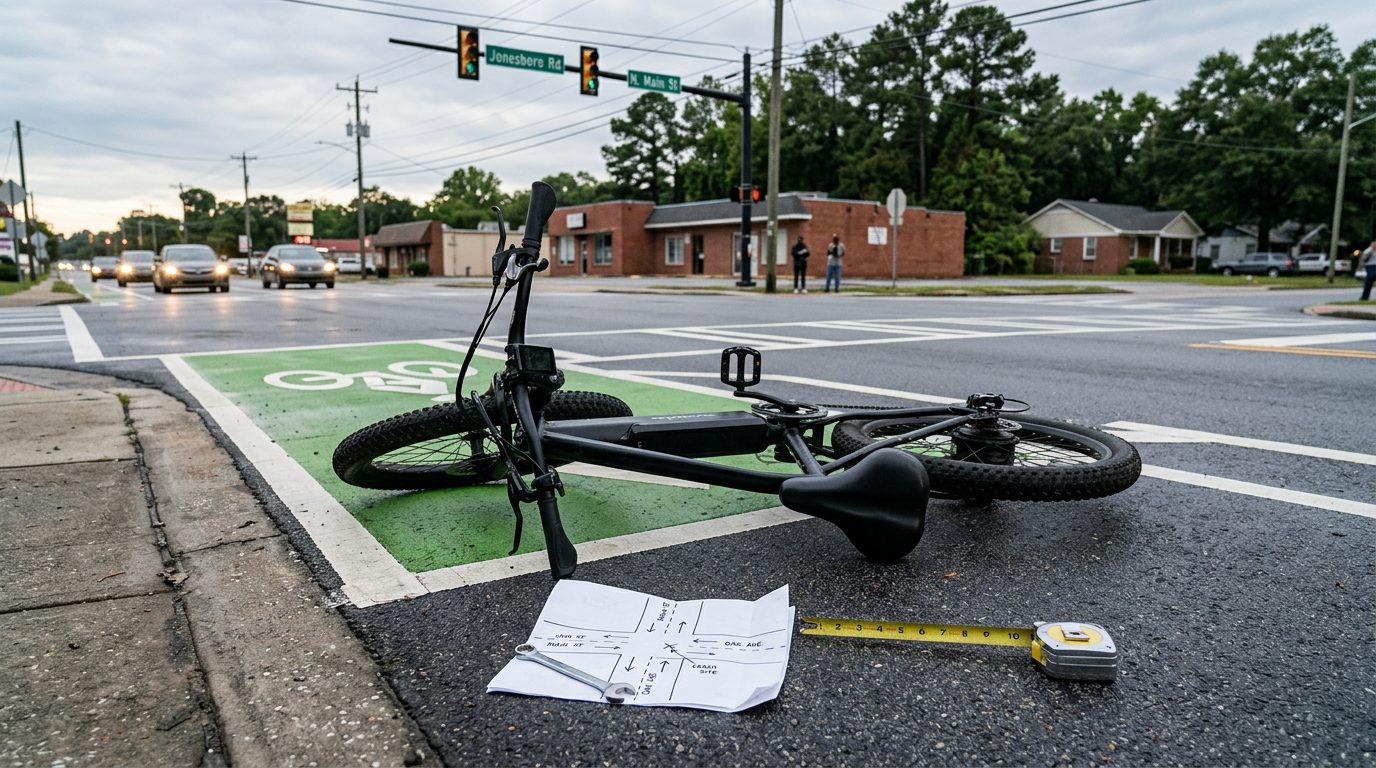
E-bike and lithium battery fire cases | Georgia
What E-Bike Controller and Battery Data Shows After a Crash
A battery and controller can hold records that point to what failed, and when. Here is what to ask about, and how to keep that evidence intact.
Serving Georgia since 1999
1999
In practice since
5
Georgia offices: Jonesboro, Atlanta, Decatur, Macon and Augusta
24/7
Call us anytime
By Terance Madden · Published November 22, 2026
Your family member is hurt. The e-bike is in the garage, and nobody can say what its electronics recorded. That uncertainty is hard to sit with.
Here is the short answer. An e-bike’s controller and battery system can store timestamped records of speed, motor power, and battery faults. Those records can help show what happened before and during a crash, but only if the bike and battery stay intact and someone reads them in context.
Why the Bike’s Electronics Matter After a Crash
The bike’s electronics may be the most objective witness to the crash. They don’t get tired, and they don’t tell the story differently on a bad day.
The controller manages motor power, throttle or pedal-assist input, and speed. The battery management system (BMS) is the circuitry that watches a lithium-ion pack’s voltage, temperature, and charge state.
What gets stored, and for how long, depends on the bike’s make, model, and software. Don’t assume the records exist. Check them.
The real question is liability and system failure. Did the bike, the battery, or a part fail? Or did the crash come from something else, like a driver who pulled out in front of the rider?
Start with a simple timeline. Put the scene photos, the rider’s account, the medical records, and the device data side by side. Wherever the timeline breaks, the real questions begin.
Not sure what your next step is?
Talk it through with our team — the first consultation is free, confidential, and carries no obligation.
What Controller Data Can Show
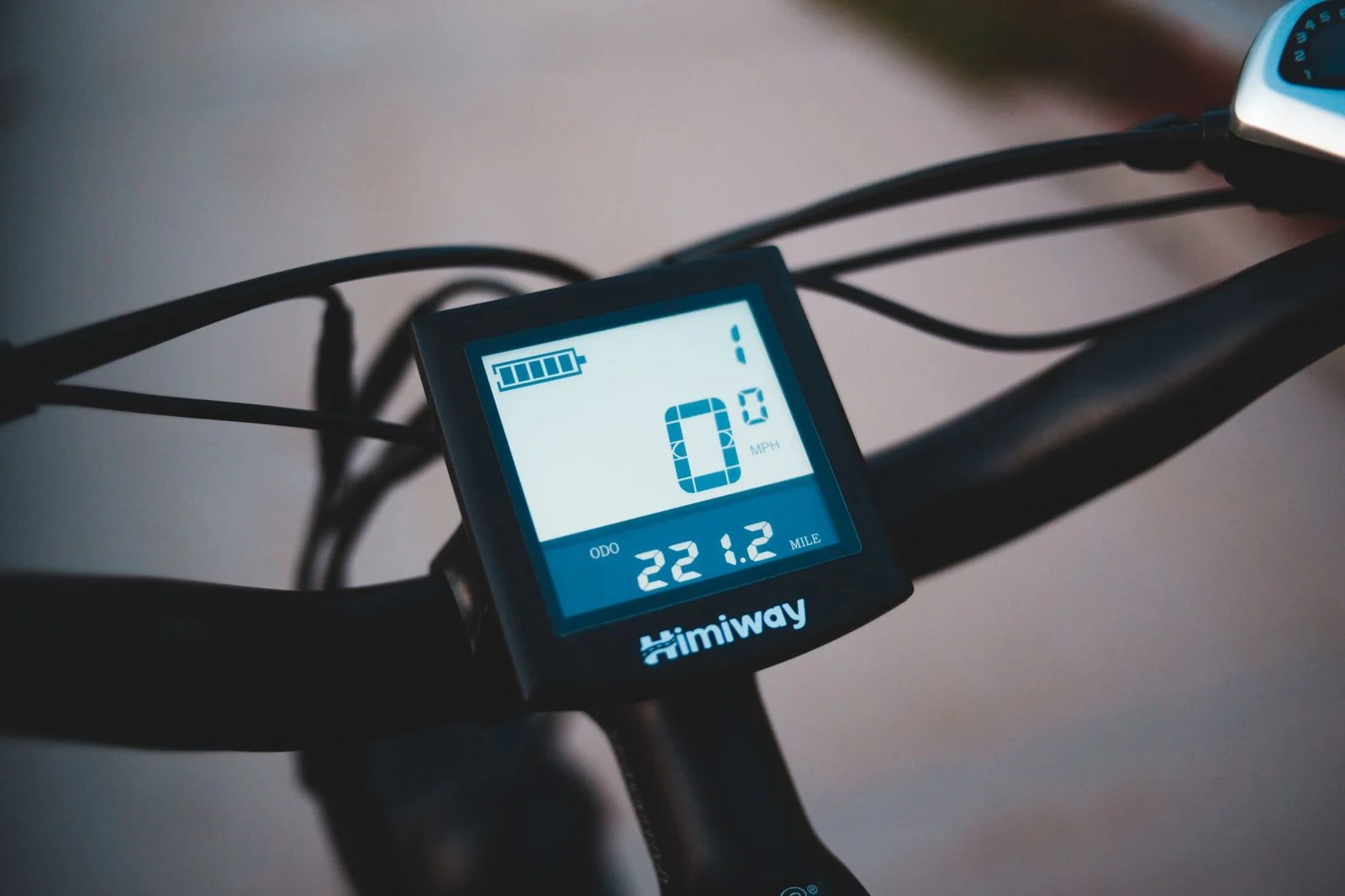
Controller data can show speed, motor power, assist level, and fault codes, each with a timestamp.
Not every controller logs the same things. Some store speed and power output with a time. A timestamp ties each entry to a moment, and that is what makes the data useful.
A fault code logged before the crash can show that a component reported a problem first. The same code logged only after impact may point to damage from the crash. Timing decides which one it is.
The data can also show whether the motor was delivering power at impact. That helps answer how the crash happened, not just that it happened.
Controller data supports a timeline. It does not tell the whole story alone. It has to be read with the scene, the bike, and the medical records.
Controller data cuts both ways. If a driver struck the rider, the same records show the rider’s speed and position. Big Insurance will study those numbers too, which is why they must be read in full.
What Battery Data and Battery Damage Can Show
Battery data can show voltage, temperature, charge cycles, and fault flags. The physical pack can show where heat damage started.
The BMS may record cell voltage readings, temperature trends, charge cycles, and fault flags. A sudden voltage drop or temperature spike before smoke or fire can matter to what failed first.
The battery itself tells a story. Investigators look at the pattern of heat damage, which cells or sections were affected, and whether the pack was opened, modified, or swapped. That origin-and-cause review traces where a fire started.
The parts chain matters too. The pack maker, the cells inside, the charger, and any off-brand replacement part can each raise a product liability question. Product liability means a claim that a product was defective and caused harm.
https://www.legis.ga.gov/api/document/docs/default-source/joint-features-document-library/t51-(v39)-2017-pdf.pdfGeorgia’s high court has held that failure-to-warn claims fall outside that limit (Chrysler Corp. v. Batten).
A fire can also kill. Families who lost someone may have a wrongful death claim, which is a claim brought after a death caused by another’s wrongful conduct.
Protect the Bike, the Battery, and the Charger Now
Keep the bike, battery, and charger together, in one safe place, and out of the trash and the repair shop.
Photograph the bike, the pack, the charger, the cords, and any damage before anyone moves or cleans anything. Take wide shots and close-ups.
Write down who has touched the bike since the crash and where it has been stored. Gaps in that history can become arguments later.
Keep the receipts, the box, the manual, app or account records, and any messages with the seller or maker.
Tell any insurer or other party that the equipment is being preserved. Once a lawyer is involved, route those questions through the lawyer. For more on e-bike crash claims in Georgia, read the Georgia e-bike rider guide.
Should I keep the e-bike battery after a crash?
Yes. Keep it intact and stored safely, away from heat, until someone reviews it.
Can I sue the battery maker?
Possibly. Georgia law can reach a manufacturer, and depending on the facts, the seller or a parts maker may also be involved.
How long do I have to file?
Georgia generally gives two years to file an injury claim under O.C.G.A. § 9-3-33 (Kenneth B. Cameron v. Jmp Pizza, Inc (2026)).
How an Engineer Reads These Records
Terance Madden reads these records by asking what the evidence shows, then matching the data to the physical damage and the crash timeline.
Before law school, Terance Madden trained as an electrical engineer, so he starts a case by asking what the evidence shows and how the crash happened. Before law school, he trained as an electrical engineer. He approaches a case the same way: what the hardware and data show, how the power and signals moved, and which records exist and must be preserved.
Raw data needs context. A voltage trace or fault log means little until it is matched to the damage on the pack and the timeline of the crash. Each record gets checked against the others.
The firm builds the claim around what the evidence supports.
What Big Insurance Will Do With the Data
Big Insurance is not on the injured rider’s side, and a first offer is rarely what a claim is worth.
Expect the tactics. An early low offer. A request for a recorded statement before the facts are clear. Slow claim reviews. Disputes over whether the treatment was needed. Arguments that the crash was “low impact” or that the rider was going too fast, often backed by device data pulled without context.
Here is why that matters. Georgia’s apportionment law (shared fault) reduces damages by the rider’s percentage of fault (O.C.G.A. § 51-12-33; Quynn v. Hulsey (2020)). A rider found 50 percent or more responsible recovers no damages (O.C.G.A. § 51-12-33). Device data can move those numbers, so it must be read in full before anyone gives a statement.
The response is to pursue every coverage layer that may apply. That means liability coverage, uninsured and underinsured motorist coverage (UM/UIM), umbrella and excess coverage, and corporate coverage from the companies that made or sold the battery, charger, or bike. Georgia auto policies must include an endorsement that pays for bodily injury caused by an uninsured motorist (O.C.G.A. § 33-7-11).
The firm pursues the full cost of the injury, including lifetime damages where the evidence supports them. If Medicare paid for care, it may have made a conditional payment that must be repaid from a settlement. CMS says federal law takes precedence over state laws and private contracts (CMS Medicare secondary payer overview).
Not sure what your next step is?
Talk it through with our team — the first consultation is free, confidential, and carries no obligation.
How Evidence Can Change After a Crash
If the bike or battery may hold the answer, protect it now, before it’s repaired or thrown out.
If you’re the one handling the calls, the bills, and the paperwork, you’re carrying a lot. The bike sits in the garage with questions no one can answer yet. You don’t have to sort that out alone.
T. Madden & Associates, P.C. has its office in Jonesboro, serving Clayton County, and also has offices in Atlanta, Decatur, Macon, and Augusta. The first consultation is free, confidential, and carries no obligation to continue.
Request a free case evaluation and bring the bike, battery, and charger details to the call.