

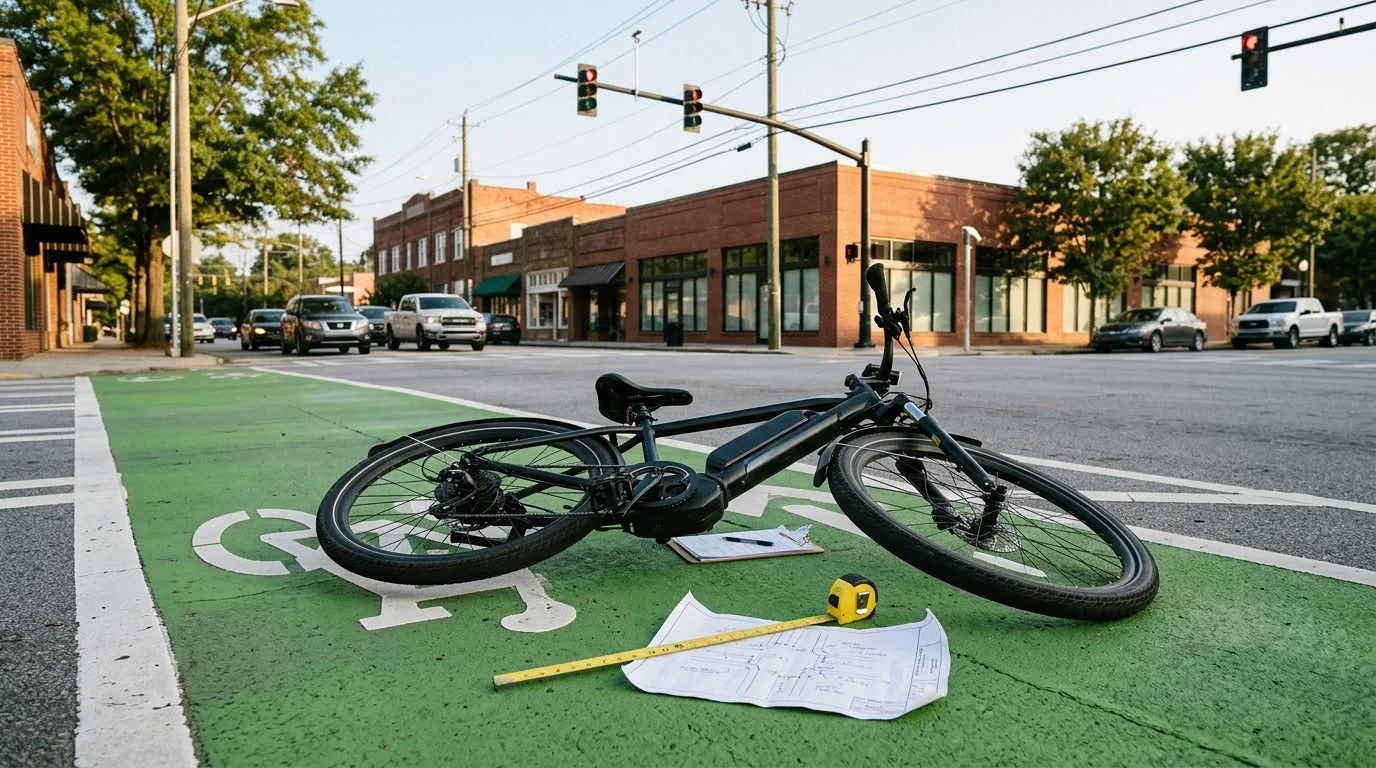
E-bike crashes in Georgia
Hurt on an E-Bike? Start With a Free Case Review.
A battery that failed, brakes that stopped working, or a driver who never saw you can all change what happened. Here is what our team looks at first.
T. Madden & Associates, P.C.
1999
Year the firm began practice
5
Georgia offices: Jonesboro, Atlanta, Decatur, Macon, Augusta
24/7
Phone line available to call
By Terance Madden · Published November 27, 2026
Hurt on an e-bike and wondering what comes next? An e-bike crash case review is the first close look at how the crash happened, what it cost you, and who may be responsible under Georgia law. It shows what a claim looks like before anyone decides anything.
The review starts with the evidence that disappears fastest. Here is what gets checked first, and why the order matters.
What an E-Bike Crash Case Review Is and Who It Is For
A case review is a first look at the facts, the injuries, and whether a claim exists. It answers one question: what does the evidence show so far?
It fits riders of e-bikes and electric bicycles hurt by a car or truck, a road defect, or a battery or part that failed. It also fits the spouse, parent, or adult daughter who now handles the medical visits, bills, and phone calls.
E-bike crashes can cause serious injuries, including head trauma, broken bones, and spinal damage. When the injury is that serious, the review matters more. It helps you plan for the care ahead, not just the bills you have today.
If a car or truck struck your e-bike, or a battery or part failed while you rode, you may have a claim, and our team can review it with you. Talk it through with our team — the first consultation is free, confidential, and carries no obligation.
What the Firm Checks First
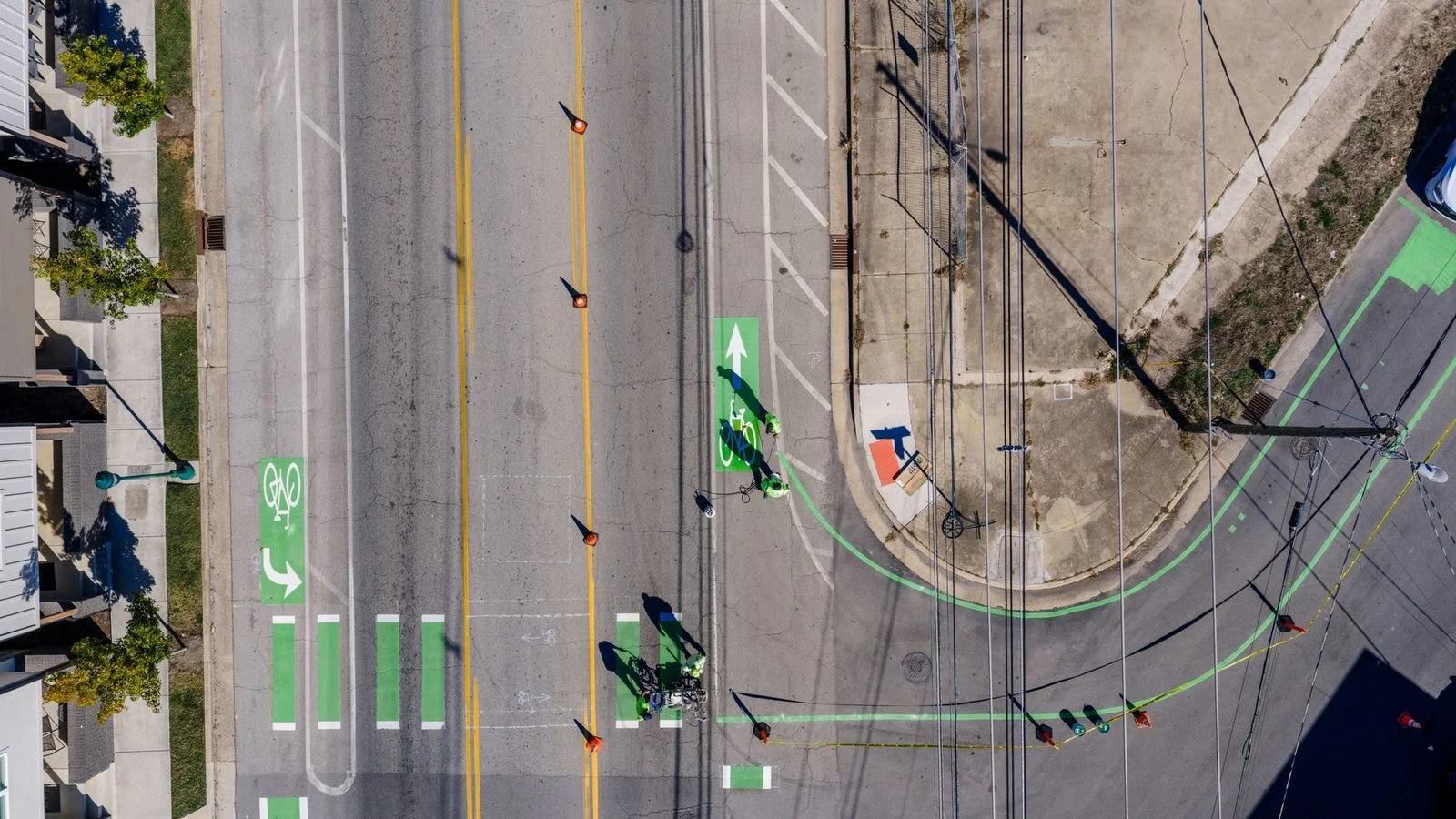
The firm checks the fastest-disappearing evidence first. That means the scene facts, the bike, and the video.
- The crash facts. Time, place, direction of travel, lane position, and which signs or signals were in place.
- The police report. Note any citation or report number. A report records what the officer saw and was told. It does not settle who was at fault.
- Video. Traffic cameras, store cameras, doorbells, dashcams, and phones may all have captured the crash. Footage is often recorded over quickly, so the request has to go out fast.
- Witnesses. Get names and phone numbers while memories are fresh.
- The e-bike itself. Battery, charger, controller, brakes, tires, and any add-on parts. Keep it out of repair and out of the trash until it’s reviewed.
- The paper trail. Receipts, warranty papers, and any recall notices.
- Medical records. The first emergency room chart often shows how the injury was first described. That description matters later.
Who Else May Be Liable Besides the Rider
The driver who caused the crash is only one possible responsible party. Liability can also reach a battery or part maker, and a government body that owns the road.
When a car or truck turned, merged, opened a door, or ran a stop, that driver is a likely target.
Under O.C.G.A. § 51-1-11, a manufacturer can be liable to a person hurt by a defective product, even without a direct contract with that maker. Under O.C.G.A. § 51-1-11(b)(2), an action over an injury caused by a product sold as new must be commenced within ten years from the date of the first sale for use or consumption of the product causing the injury. Subsection (c) applies the same ten-year limit to most negligence claims against a manufacturer, but not to claims arising from negligent manufacturing that causes a disease or birth defect, or from conduct that manifests a willful, reckless, or wanton disregard for life or property. The Supreme Court of Georgia held in Chrysler Corp. v. Batten that this limit does not bar a claim that the maker failed to warn of a danger it knew about.
Claims against a city must be presented in writing within six months. Under O.C.G.A. § 36-33-5, that written claim must also state a specific dollar amount. That is a short clock, so a road or bike lane defect needs early attention.
Before law school, Terance Madden trained as an electrical engineer. In battery cases, that training matters. He looks at the cells, the charging circuit, certification marks, and the origin-and-cause work that traces where a fire or failure began. A fire that starts at the charger points to a different cause than one that starts inside the battery pack. That difference can change which company is liable.
Each liable party may carry its own insurance. More policies can mean more coverage to pursue.
How Big Insurance Tries to Lower the Value of an E-Bike Claim
Big Insurance is not on your side. A first offer is rarely what your claim is worth.
Expect these moves:
- A low early offer, made before doctors know the full extent of the injury.
- A recorded statement, requested soon after the crash, while you’re still in pain or on medication.
- Delays and paperwork. Requests that drag on and wear you down.
- Disputed treatment. Big Insurance may call your care unnecessary, or argue that a “low impact” crash couldn’t cause real harm.
The response is to pursue every coverage layer. That means the at-fault driver’s liability coverage, your own uninsured or underinsured motorist coverage where it applies, any umbrella or excess policy, and corporate coverage. Georgia law requires auto liability policies to carry an endorsement for injuries caused by an uninsured motor vehicle, as O.C.G.A. § 33-7-11 lays out. Check your own policy with us early.
Your claim can include medical bills, lost wages, and pain and suffering. Under O.C.G.A. § 51-12-1.1, medical expenses are limited to the reasonable value of medically necessary care. Your claim should count the full cost of the injury over time, including future care. We prepare each claim as if it may go to trial.
How the Review Works, Step by Step
The review runs in five steps, from your first call to a plain-English plan for what comes next.
- Intake. Call or reach out online. Describe the crash, the injuries, and the bike.
- Preservation. We advise you on keeping the bike, battery, charger, clothing, and phone photos. We send preservation letters for video and data.
- Records. We collect the police report, medical records, bills, and proof of lost wages.
- Evaluation. We review liability, possible defendants, coverage layers, and the damages picture.
- Plan. We explain your options and what each one means for timing.
Timing matters. Georgia generally gives two years to file a lawsuit for injuries to the person, under O.C.G.A. § 9-3-33. The statute has exceptions, and city claims have shorter notice rules, so start early.
If Medicare paid for care, Medicare may have a conditional payment. The Medicare secondary payer rules say that payment must be repaid from a settlement. We find these before any money changes hands.
Why the Firm Handles E-Bike Cases This Way
The firm has practiced in Georgia since 1999, with offices in Jonesboro (Clayton County), Atlanta, Decatur, Macon, and Augusta. Terance Madden leads the firm’s personal injury work.
The firm works on a no-fee-unless-we-win basis. You may still be responsible for court costs and case expenses.
Terance Madden’s engineering training shapes the first read of the evidence. That means asking what the crash physics, battery condition, and bike data show, and how the crash happened.
Our team keeps you updated in plain language. Our team keeps you informed about what is happening on your case and what comes next. The Terance Madden Foundation also supports community work across Georgia.
Not sure what your next step is?
Talk it through with our team — the first consultation is free, confidential, and carries no obligation.
Questions to Ask Before You Decide
Do I need to keep the bike?
Yes. Keep the bike and battery as they are until the review is done. If it was already repaired or thrown out, say so at intake.
What if I was partly at fault?
Georgia reduces your damages by your share of fault. Under O.C.G.A. § 51-12-33, you receive no damages at 50 percent or more.
Do I have to give a recorded statement?
You don’t have to give one before you get advice. Big Insurance may ask early, while you’re still hurt. Getting guidance first lets you answer with the facts in order.
If a car or truck struck your e-bike, or a battery or part failed while you rode, you may have a claim. Start a free case evaluation and call any time, 24/7. Ask that the bike and battery be kept as they are, and our team will walk you through what comes next.