

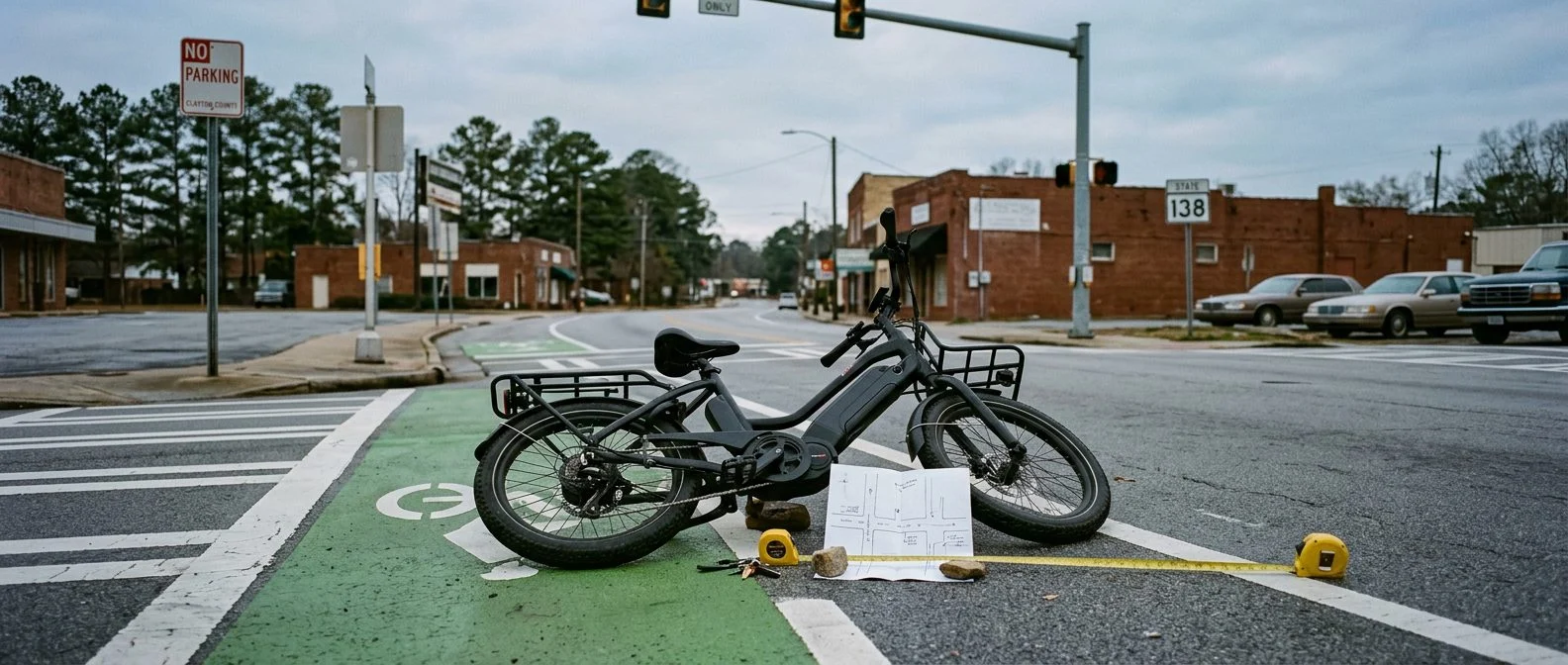
E-Bike Crash Claims | Georgia
Hit by a Car While Crossing on Your E-Bike? Let's Look at Who Is Responsible.
A crosswalk should be the safe part of the trip. When a driver's failure to yield turns it into an injury, the firm can review the evidence and explain your options.
Serving Georgia Since 1999
1999
Year the firm began practicing law
5
Offices: Jonesboro, Atlanta, Decatur, Macon and Augusta
Free
Initial consultation, confidential and without obligation
By Terance Madden · Published November 25, 2026
Hit by a driver while riding an e-bike in a crosswalk? You may have a claim, and the driver who failed to stop may be liable for your injuries. Other people and companies can share liability too, including an employer, a city and a battery maker.
Hit in a Crosswalk on an E-Bike? Here Is Who This Page Is For
This page is for Georgia adults hurt when a driver did not yield to them in a crosswalk on an e-bike. It is also for the spouse, mother or adult daughter now handling medical visits, bills and calls with insurers.
Liability means legal responsibility to pay for harm someone else caused. Proving it takes facts, records and a clear view of who did what.
T. Madden & Associates, P.C. handles e-bike and bicycle crashes, car and truck crashes, motorcycle crashes and other personal injury claims. The firm has been in practice since 1999. Its offices are in Jonesboro (Clayton County), Atlanta, Decatur, Macon and Augusta.
Not sure what your next step is?
Talk it through with our team — the first consultation is free, confidential, and carries no obligation.
Who Can Be Liable When a Crosswalk Crash Happens
Several people and companies can be liable, and the driver is only the first one to examine.
- The driver. Georgia’s crosswalk stop rule requires a driver to stop for a pedestrian in a marked crosswalk. A related rule requires every driver to use due care to avoid colliding with pedestrians. The crosswalk rule is written for pedestrians, so the firm checks how it fits an e-bike rider’s path.
- The employer. If the driver was working, Georgia law makes an employer liable for an employee’s wrongful acts done within the scope of the job, under Georgia’s vicarious liability statute. Georgia’s Supreme Court also treats an employer’s own negligent hiring, training, supervision and retention as the employer’s own fault, so a jury can assign it a share (Quynn v. Hulsey).
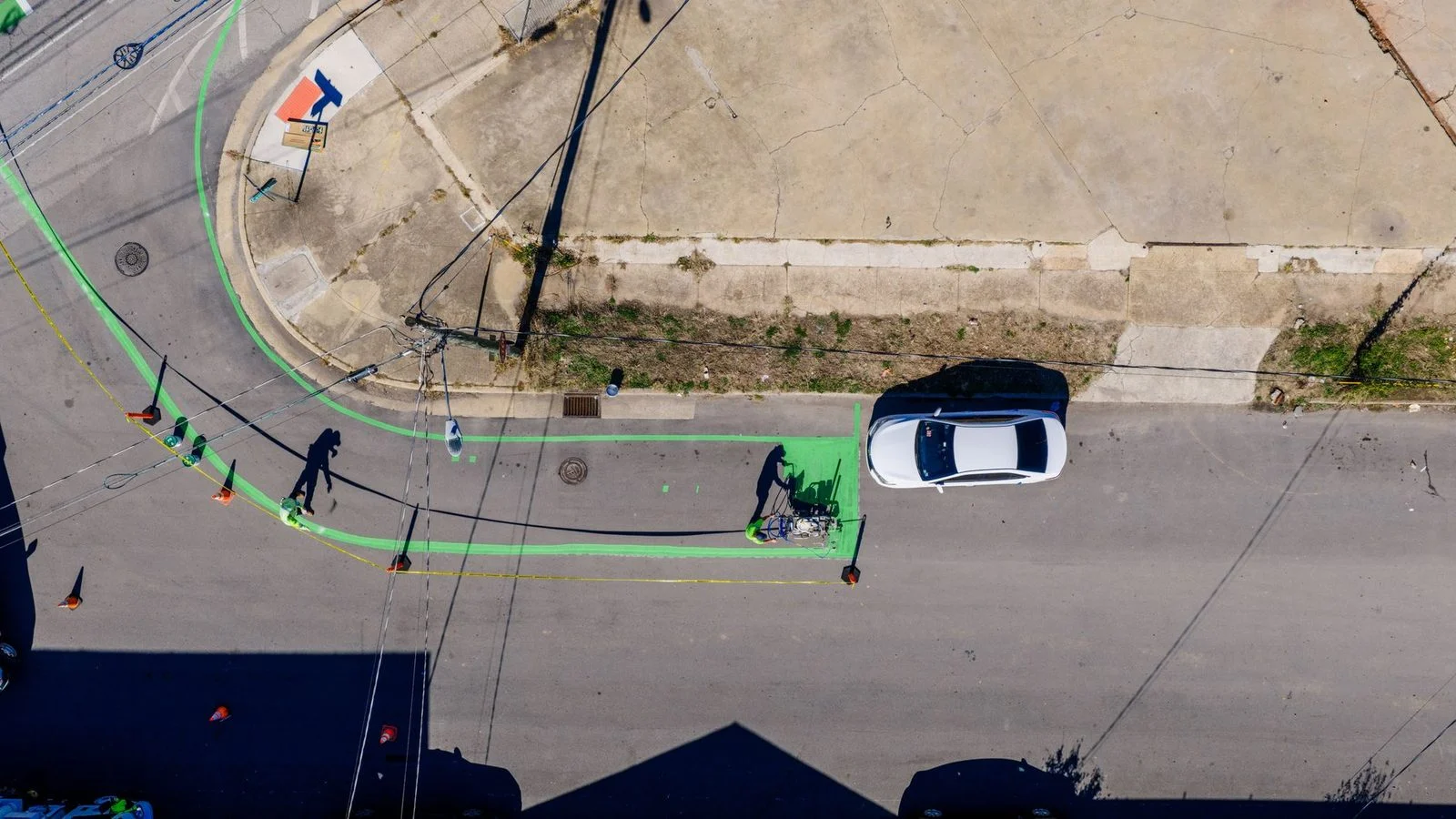
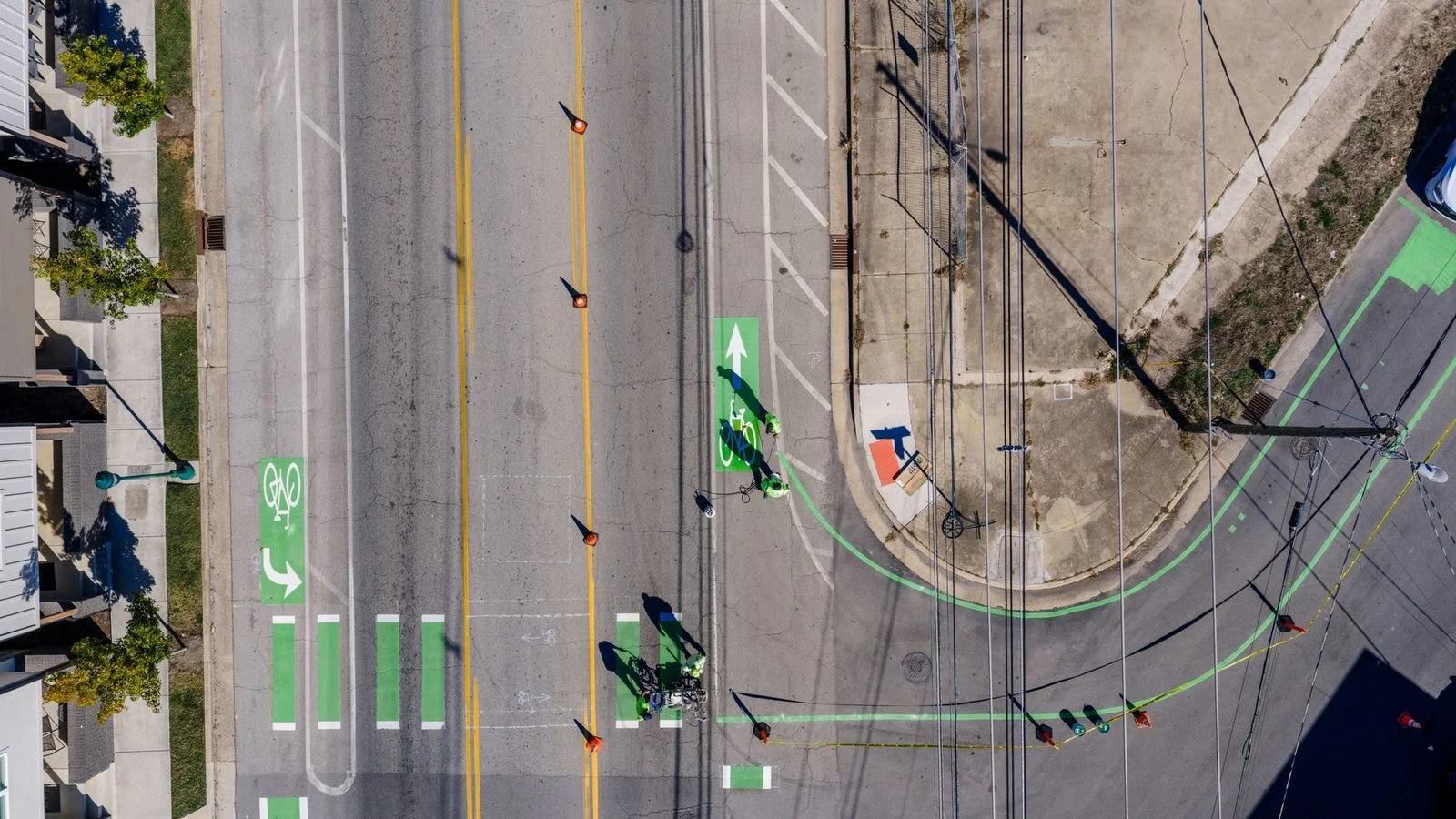
- The city. A crosswalk’s design, signal timing or markings can play a role.
- The battery or parts maker. A defect in the e-bike’s battery or parts that caused or added to the crash or a fire can make the maker liable.
- You. Georgia looks at the rider’s choices too. The City of Brookhaven publishes e-bike safety guidance that riders can read.
Georgia Fault Rules and Deadlines You Need to Know
Georgia cuts your damages by your share of fault, and it bars recovery at 50 percent or more (O.C.G.A. § 51-12-33; Quynn v. Hulsey (2020)).
Comparative fault means shared blame, measured in percentages (O.C.G.A. § 51-12-33; Quynn v. Hulsey (2020)). A jury sets a percentage for each person involved. Under Georgia’s apportionment statute, O.C.G.A. § 51-12-33, your award drops in proportion to your share. At 50 percent or more, you recover nothing. Each liable party pays only its own share.
Deadlines matter. Georgia gives two years to file most injury lawsuits under O.C.G.A. § 9-3-33. Claims against a city move faster. You must present a written claim to the city within six months of the crash. That claim must state the time, place, extent of the injury and the negligence behind it, plus a specific dollar amount. A court will not hear the suit until that claim has been presented (O.C.G.A. § 36-33-5).
What the Evidence Shows and Why an Engineer Reads It
Crash data decides many crosswalk cases, and some of it disappears fast.
Save these first:
- Photos of the scene, the bike and the damage.
- Video from doorbells, dash cams and nearby businesses.
- Crosswalk signal timing and witness names.
- Controller and battery data from the e-bike, if the model stores it.
- For a truck, the electronic control module (the engine computer that logs speed and braking) and driver logs. Federal rules require trucking companies to keep duty-status records for at least six months.
Ask for these records in writing early. This evidence can show the driver’s speed and path, whether the signal was green, and whether the driver looked up before moving.
Terance Madden trained as an electrical engineer before he went to law school. Before law school, he trained as an electrical engineer. So he starts a case by asking what the evidence shows, how the crash happened and which records must be saved.
How Big Insurance Responds After a Crosswalk Hit and What the Firm Does
Big Insurance is not on your side, and its first offer is rarely what your claim is worth.
Expect these tactics:
- A quick, low offer before you know the full extent of your injuries.
- A request for a recorded statement, which can be used against your claim later.
- A “low speed” or “you came out of nowhere” argument.
- Delays, and disputes over your treatment and bills.
The firm pursues every layer of coverage:
- The at-fault driver’s liability coverage.
- Your own uninsured or underinsured motorist coverage (UM/UIM), where it applies. Georgia requires motor vehicle policies to include uninsured motorist terms.
- Any umbrella policy (extra coverage above normal limits) or excess policy.
- Corporate or employer coverage, when the employer is liable.
Damages cover more than today’s bills. General damages, such as pain and loss of daily life, are presumed from the injury and need no dollar proof. Special damages, such as medical bills and lost pay, must be proven (O.C.G.A. § 51-12-2). The firm prepares every case as if it may go to trial.
How the Case Works From Call to Resolution
The case moves in five steps, from a first talk to a settlement or a trial.
- Consultation. The first consultation is free, confidential and comes with no obligation to continue.
- Evidence. The firm sends preservation letters, which are written demands that others keep evidence. It gathers the crash report, video, bike data and medical records.
- Parties and coverage. The firm identifies each liable party and each insurance layer.
- Demand and negotiation. The firm presents the claim in writing. If a deadline is near, it files suit in time.
- Trial preparation or resolution. The firm prepares as if the case will be tried, and it negotiates from that position.
How long each step takes depends on the facts of the case. The firm explains each step in plain English.
The firm works on a no-fee-unless-we-win basis. You may still be responsible for court costs and case expenses.
Not sure what your next step is?
Talk it through with our team — the first consultation is free, confidential, and carries no obligation.
When a Family Member Is Managing the Recovery
The family member handling appointments and paperwork needs a clear system. The injured rider still makes the claim decisions.
Keep these in one folder:
- Discharge papers, prescriptions and every bill.
- Receipts for mileage, supplies and rides to appointments.
- Notes from the employer about missed work.
- A daily log of pain, sleep and activities the rider can no longer do.
If Medicare paid for crash-related care, the payment may need to be repaid. When a person is entitled to Medicare and was in an accident where no-fault or liability insurance is involved, that insurance pays primary for the related health care services claimed, as CMS explains. A Medicare conditional payment must be repaid to Medicare when a settlement or award is paid.
Do not give a recorded statement to Big Insurance before talking with the firm. Once the injured rider gives permission, the firm can speak with the family member. The firm also supports community work through the Terance Madden Foundation.
Questions Before You Call: Your Next Step After a Crosswalk Crash
Most of these answers come down to fault, deadlines and insurance.
Can I still recover if I was partly at fault?
Yes, if your share of fault is under 50 percent. Your award drops by your percentage, and at 50 percent or more you recover nothing under Georgia’s apportionment statute, O.C.G.A. § 51-12-33 (Quynn v. Hulsey (2020)).
Do I have to talk to the other driver’s insurer?
Talk with the firm first. A recorded statement can be used later, and the firm can handle contact with Big Insurance.
How long do I have to file?
Most Georgia injury lawsuits must be filed within two years.
What if the crash happened in Clayton County?
The firm’s Jonesboro office is in Clayton County. The firm also has offices in Atlanta, Decatur, Macon and Augusta.
If a driver failed to stop for you in a crosswalk, and you’re now dealing with injuries, a damaged e-bike and bills, reach out. Call the firm any time, 24/7, or start a free case evaluation. A lawyer will review the crash facts and explain which parties and insurance layers may apply.