

Georgia Truck Accident Lawyer | Cargo Crashes
Hurt in a Cargo Crash? Talk With a Georgia Truck Accident Lawyer
T. Madden & Associates, P.C. has represented Georgia injury clients since 1999. We focus on wrecks where a truck's load shifted, spilled or was improperly secured. Your first consultation is free, confidential and comes with no obligation to continue.
Why Clients Call Our Firm
1999
Year the firm began practice
5
Offices across Georgia
24/7
Phone line available any time
By Terance Madden · Published October 31, 2026
If a truck’s load shifted, spilled or fell and caused your crash, you may have a claim against more than the driver. T. Madden & Associates, P.C. handles injury and wrongful death cases in Georgia and has been in practice since 1999. This page explains how these crashes happen, which records matter, how Georgia’s time limit and fault rules work, and what to expect after you reach out.
What an Overloaded or Shifting Cargo Truck Crash Is
An overloaded or shifting cargo crash happens when a truck’s load is too heavy or is not tied down, and the load moves, falls or throws the truck off balance. The result can be a collision with cars, motorcycles or pedestrians.
Common Scenarios
- Loose logs, pipe, steel coils or pallets that spill onto lanes.
- A trailer that tips or jackknifes after its load shifts in a turn or a sudden stop.
- An overweight load that lengthens braking distance and weakens control.
These crashes differ from ordinary car wrecks. Heavier trucks cause more damage, the records are more detailed, and more companies may touch the same cargo before it reaches the road.
This page is for people hurt in these crashes, including drivers, passengers, pedestrians and motorcyclists. It is also for families who lost a loved one in one.
If a load shifted or fell onto the road and hurt you or someone you love, you may have a claim, and our team is ready to talk through what happened. Talk it through with our team — the first consultation is free, confidential, and carries no obligation.

What This Practice Covers
The firm handles injury claims, wrongful death claims and catastrophic injury claims that arise from load-related truck crashes.
- Injury claims for drivers, passengers, pedestrians and motorcyclists hurt in a crash with a truck or its cargo.
- Wrongful death claims for families. Georgia law allows a personal representative to recover funeral, medical and other necessary expenses when death results from criminal or other negligence, under O.C.G.A. § 51-4-5.
- Catastrophic injuries such as brain injury, spinal cord injury, amputation and long-term disability.
- Parties to review: the truck driver, the motor carrier, the shipper or loader, and any company that handled securement. Whether any of them is responsible depends on the facts.
- Evidence: bills of lading, weight tickets, loading records, electronic logging device data, inspection reports, and photos of the scene and cargo.
Why Cargo Securement Rules Matter in Your Claim
Federal rules say a load must stay in place, so a load that moves or falls raises questions about how it was secured. The rules are found in the federal cargo securement standards.
- Under 49 C.F.R. § 393.106, cargo must be firmly immobilized or secured by structures of adequate strength, dunnage, shoring bars, tiedowns, or a combination of these.
- Cargo likely to roll must be held by chocks, wedges, a cradle or equivalent means that cannot come loose in transit.
- The aggregate working load limit of the tiedowns must be at least one-half the weight of the cargo they secure.
- Under 49 C.F.R. § 393.100, cargo must not leak, spill, blow or fall from the truck, and must not shift enough to hurt the vehicle’s stability or maneuverability.
A rule violation is one kind of evidence. The firm reviews it alongside the crash report, photos and records.
How the Process Works, Step by Step
The process starts with a free consultation, then moves through evidence, investigation, claims and resolution.
- Free case evaluation. Reach out through the contact page or call the firm. The first consultation is free, confidential and carries no obligation to continue.
- Evidence preservation. Early written requests ask the carrier to keep key records. Carriers must keep records of duty status and supporting documents for at least six months from receipt, under 49 C.F.R. § 395.8. Six months is a short window, so early contact matters.
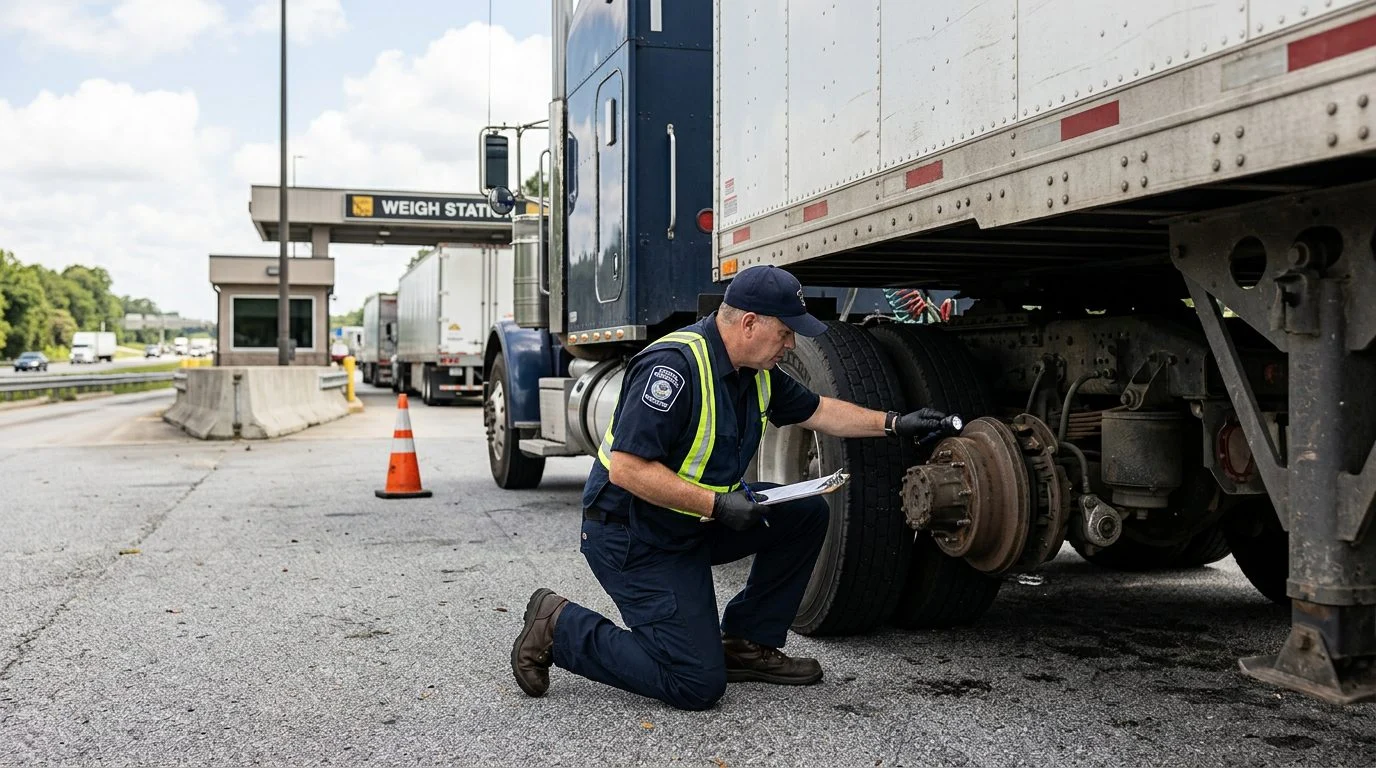
- Investigation. The firm reviews the crash report, scene and cargo photos, weight tickets, bills of lading, and medical records. Federal rules also require the driver of a truck or truck tractor to inspect the cargo and the devices used to secure the cargo within the first 50 miles after beginning a trip, except for a driver of a sealed commercial motor vehicle who has been ordered not to open it to inspect its cargo, or a driver of a commercial motor vehicle loaded in a manner that makes inspection of its cargo impracticable, under 49 C.F.R. § 392.9.
- Claim or lawsuit. The firm identifies responsible parties and presents the claim to insurers. It files suit when a claim cannot be resolved without one.
- Resolution. Negotiation, mediation or trial preparation follows, and clients are kept informed at each stage.
Georgia generally requires injury lawsuits to be filed within two years after the right of action accrues, under O.C.G.A. § 9-3-33.
How Fault, Fees and Costs Work in Georgia
Georgia reduces your award by your share of fault, and you cannot recover damages if you are 50 percent or more at fault. Under O.C.G.A. § 51-12-33, the judge reduces the award in proportion to your percentage of fault. A plaintiff who is 50 percent or more responsible may not receive any damages.
Damages are split among liable parties by each person’s share of fault. Each party pays its own share, and the award is not a joint liability. The jury must also weigh the fault of everyone who contributed, including people who were not named in the suit.
We handle cases on a no-fee-unless-we-win basis. You may still be responsible for court costs and case expenses.
Medicare may conditionally pay accident-related medical bills.
Why Clients Contact T. Madden & Associates, P.C.
T. Madden & Associates, P.C. is a Georgia personal injury firm that has been in practice since 1999. Terance Madden is the responsible attorney for this page.
- The firm’s lawyers include Terance Madden and Shenia Madden.
- Our lawyers and support staff work on case files together, and our team answers questions as they come up.
- The firm has offices in Jonesboro (Clayton County), Atlanta, Decatur, Macon and Augusta.
- Phone access is available 24/7, so you can reach the firm at any hour.
Not sure what your next step is?
Talk it through with our team — the first consultation is free, confidential, and carries no obligation.
Questions About Overloaded and Shifting Cargo Truck Crashes
Can I sue if the truck driver was not speeding?
Yes. A claim can involve more than the driver, including the carrier, the shipper or loader, and others tied to the load.
Who pays if the trucking company is insured?
Insurance coverage is reviewed as part of the investigation. The firm looks at it early so you know what sources may be available.
Does the crash location change the claim?
Where the crash happened can affect the details of the claim. The firm’s offices are in Jonesboro, Atlanta, Decatur, Macon and Augusta.
Early contact helps protect your options.
Do I need a police report?
Crash reports and any citations are among the records the firm reviews.
If a load came loose and changed your life or your family’s, you don’t have to sort out the trucking records alone. Contact T. Madden & Associates, P.C. today so our team can review what happened.
How Our Firm Approaches Cargo Crash Cases
Load and Cargo Review
We look at how the cargo was loaded, weighed, secured and documented, and whether the load was moved in a way that put other drivers at risk.
Multiple Responsible Parties
Cargo crashes can involve the driver, the trucking company, the shipper or loader, and others connected to the load. We look at each possible party.
Protecting Your Claim Early
Trucking companies and their insurers often begin their own investigations quickly. Our team works to preserve trucks, logs and cargo records that matter to your case.
Fees Explained Up Front
There is no fee unless there is a recovery. You may still be responsible for court costs and case expenses, and we explain these details before you decide.
Before You Speak With a Trucking Company
Trucking companies and their insurance representatives may contact you soon after a crash. Talk with a lawyer before giving a recorded statement or signing any paperwork about your injuries.
Common Cargo Crash Situations We Review
Shifting or Falling Loads
Cargo that slides, rolls or falls onto the roadway can strike vehicles or force drivers into sudden, dangerous maneuvers.
Improperly Secured Freight
Straps, chains, braces and load bars that fail or were never properly used can turn a routine trip into a serious wreck.
Overweight or Unbalanced Trailers
Loads that exceed weight limits or sit unevenly can affect braking, steering and stability, especially in traffic or wet weather.
Hazardous Materials Spills
Chemicals, fuel or other hazardous cargo that leaks after a crash can create added injury risks for drivers, passengers and first responders.
Talk With a Georgia Truck Accident Lawyer Today
Related practice areas
- Unsecured Load Truck Accident Georgia: Key Facts