

Truck Accident Lawyer | Georgia
Hurt in a Truck Crash? Talk With a Georgia Truck Accident Lawyer Today
T. Madden & Associates, P.C. has been practicing since 1999, helping people injured in truck wrecks across Georgia. Our offices are in Jonesboro, Atlanta, Decatur, Macon and Augusta. Your first consultation is free and confidential.
The Firm at a Glance
1999
Year the firm began practice
5
Offices: Jonesboro, Atlanta, Decatur, Macon, Augusta
Free
First consultation, confidential, no obligation
By Terance Madden · Published October 29, 2026
Truck Accident Lawyer | T. Madden & Associates
An overloaded truck can be part of a Georgia injury or wrongful death claim when its weight or load helped cause the crash. If you’re looking for a truck accident lawyer, this page explains how load rules work, who may share fault, and what evidence matters most. It also explains how T. Madden & Associates, P.C. handles these cases.
If a loaded truck hit you or someone you love, you may have a claim worth reviewing, and our team can talk it through with you at any hour. Talk it through with our team — the first consultation is free, confidential, and carries no obligation.

What an Overloaded Truck Accident Claim Is and Who It Is For
An overloaded truck claim looks at whether a truck carried more weight than allowed, or carried a load that was spread or secured the wrong way. A truck can be overloaded by its total weight, by the weight on one axle, or by how its cargo sits.
This page is written for three groups. The first is people hurt in a crash with a loaded truck. The second is families of someone killed in one. The third is drivers who saw a truck riding low or a load that looked loose.
Overloading is one factor, not the only one. A claim also looks at speed, driver fatigue, and maintenance. Federal rules say a driver may not operate a truck when fatigue or illness makes it unsafe, as 49 C.F.R. § 392.3 explains.
How Georgia Weight and Load Rules Apply to Commercial Trucks
Cargo has to stay put during the trip, not just at the loading dock.
Under 49 C.F.R. § 393.100, cargo must not leak, spill, blow or fall from the truck. It also must not shift enough to hurt the vehicle’s stability or maneuverability.
Before driving, the truck driver must confirm that cargo is “properly distributed and adequately secured,” under 49 C.F.R. § 392.9. Within the first 50 miles of a trip, the driver must inspect the cargo and its securing devices, unless the driver has been ordered not to open a sealed commercial motor vehicle to inspect its cargo, or the vehicle was loaded in a manner that makes inspection of its cargo impracticable. The driver must check again during the trip.
Weight tickets, scale records, permits and shipping papers can show what the truck weighed and what the load was supposed to be. Some loads need permits or follow special rules, so those papers belong in the review.
Who Can Share Responsibility for an Overloaded Load
More than one person or company can share fault when a heavy load causes a crash. Each party’s role matters.
- The driver decides whether to start or keep driving, and whether the cargo was checked.
- The motor carrier, the company running the truck, must require drivers to follow the driver rules, as 49 C.F.R. § 390.11 states. Dispatch schedules and maintenance also matter.
- The shipper or loader packed, weighed and sealed the cargo. Their paperwork may show whether the stated weight was accurate.
- The broker arranged the load.
Georgia also makes a business answerable for torts its workers commit within the scope of that business, under O.C.G.A. § 51-2-2.
Georgia splits damages by fault. Under O.C.G.A. § 51-12-33, each liable person pays only its own share, not a joint amount. A plaintiff who is 50 percent or more responsible recovers no damages.
Evidence That Matters in an Overloaded Truck Case
The most useful early evidence usually sits in shipping papers, driver records and trip data. Some of it can be lost, so timing matters.
- Bills of lading, shipping manifests and weight tickets showing declared and actual weight.
- Driver logs or electronic logging data, dispatch messages and trip records from the day of the crash.
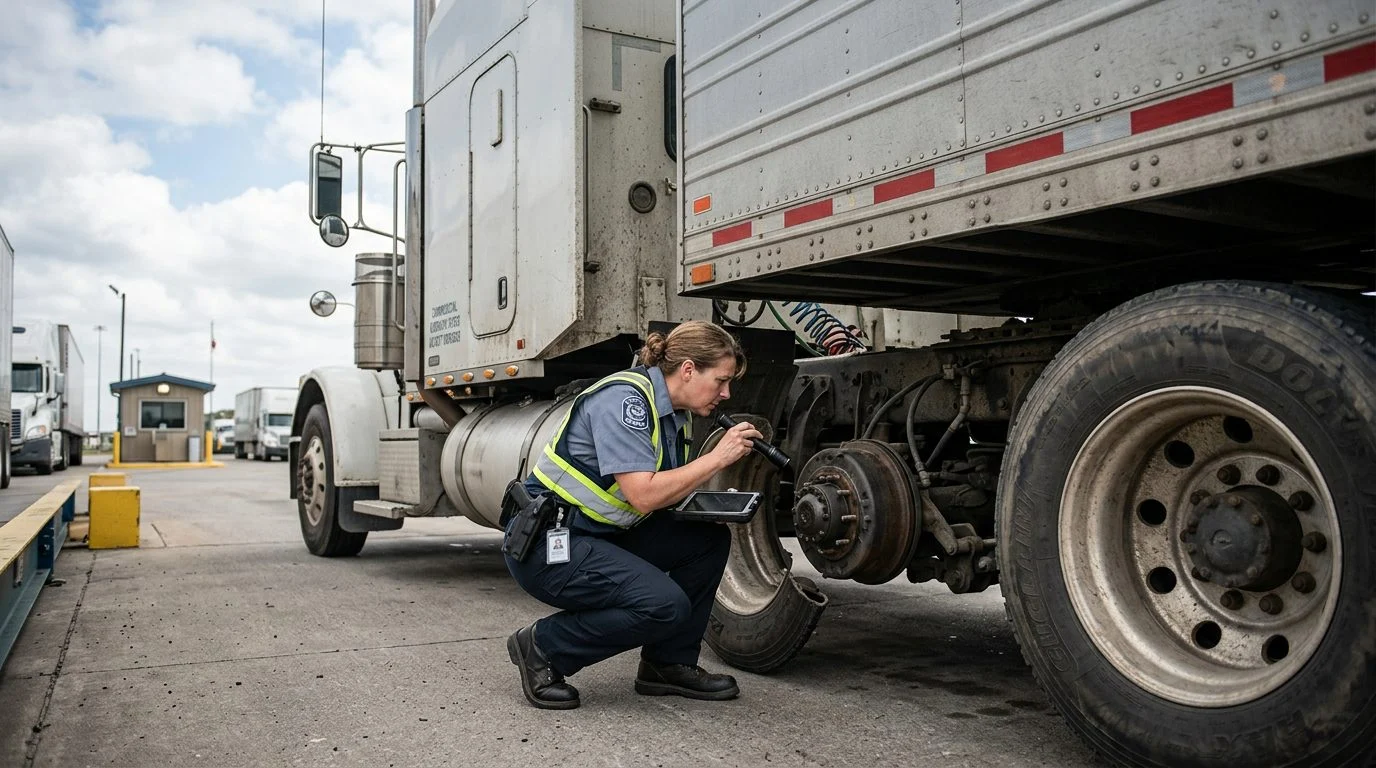
- Permits, weigh-station records, roadside inspection reports and maintenance logs for the truck and trailer.
- Crash scene photos, dashcam video, witness names and the police crash report.
Records can be kept electronically if they stay accurate and readable, under 49 C.F.R. § 379.7. Carriers do not keep every record forever.
Georgia generally requires actions for injuries to the person to be brought within two years after the right of action accrues, under O.C.G.A. § 9-3-33; injuries to reputation must be brought within one year, and loss of consortium actions within four years. Other deadlines can apply, so an early consultation helps.
How Our Team Handles an Overloaded Truck Case
The process starts with a free first consultation. It then moves through evidence requests, claim presentation and, only if needed, a lawsuit.
- Free first consultation. We review the crash facts and the load. The consultation is confidential and carries no obligation to continue.
- Evidence requests. We send written requests asking the carrier, shipper and other parties to keep records.
- Medical and damages review. We gather records and bills from your treating providers.
- Claim presentation. We present the claim to insurers and responsible parties and negotiate at each stage.
- Court, if needed. If a fair resolution isn’t reached, we file suit and keep you informed before each major decision.
Complex truck cases often take longer than standard car claims. Records must be requested and reviewed, and that takes time.
Not sure what your next step is?
Talk it through with our team — the first consultation is free, confidential, and carries no obligation.
Why Terance Madden & Associates, P.C.
T. Madden & Associates, P.C. is a Georgia personal injury firm that has practiced since 1999. Attorney Terance Madden leads the firm. Its lawyers include Terance Madden and Shenia Madden, and our team includes assistants and office staff.
We have offices in Jonesboro, Atlanta, Decatur, Macon and Augusta. Our practice areas include truck accidents, car accidents, motorcycle and e-bike crashes, wrongful death, catastrophic injury and slip and falls.
We work on a no-fee-unless-we-win basis, but you may still be responsible for court costs and case expenses. Our phone line is available 24/7, so you can reach our team outside office hours.
Common Questions About Overloaded Truck Accident Claims
Does a slightly overweight truck still support a claim?
Weight is reviewed together with the other crash facts. A small overage still gets examined.
Do I have to prove the driver knew the truck was overloaded?
Records can show what the driver knew. Other fault theories can also apply.
Is a truck accident case different from a car accident case?
Often, yes. More parties, federal rules and records are usually involved.
A truck accident lawyer would review the same records and rules described here.
Can I start on my own?
You can gather what you already have. Records can be lost over time, so early written requests help protect them.
Talk With Our Team About Your Truck Crash
If a loaded truck hit you, or a family member died in a crash with one, you may have a claim worth reviewing. Call T. Madden & Associates, P.C. any time, day or night, to ask for a free first consultation. You can also send your case details through our contact form.
Responsible lawyer: Terance Madden, T. Madden & Associates, P.C. Contact: tmaddenlaw.com/contact. This page gives general information about Georgia law and is not legal advice.
How We Approach Your Truck Accident Case
Early Evidence Review
We work to identify crash reports, driver logs, maintenance records and other evidence while it is still available.
Attorneys Who Answer Your Questions
Terance Madden leads this page's case work, and our lawyers, including Shenia Madden, keep you informed at each step.
Clear, Plain Communication
We explain the process in terms you can follow, so you know what to expect.
No Fees Unless There Is a Recovery
You pay no attorney's fees unless there is a recovery. You may still be responsible for court costs and case expenses.
Reach Us Around the Clock
Call us 24/7 to talk about your truck crash and your options.
Before You Speak With an Insurer
Trucking companies and their insurers often start their own investigation quickly, and an adjuster may ask for a recorded statement early on. Speak with a lawyer before you give any statement or sign any paperwork.
Common Factors in Truck Accident Cases
Driver Fatigue
Long hours and tight schedules can lead to exhausted drivers who lose focus on the road.
Distraction
Phones, dispatch systems and other distractions can pull a driver's attention away from traffic.
Loading and Weight Issues
Improperly loaded or overweight trucks can be harder to control and to stop safely.
Maintenance Problems
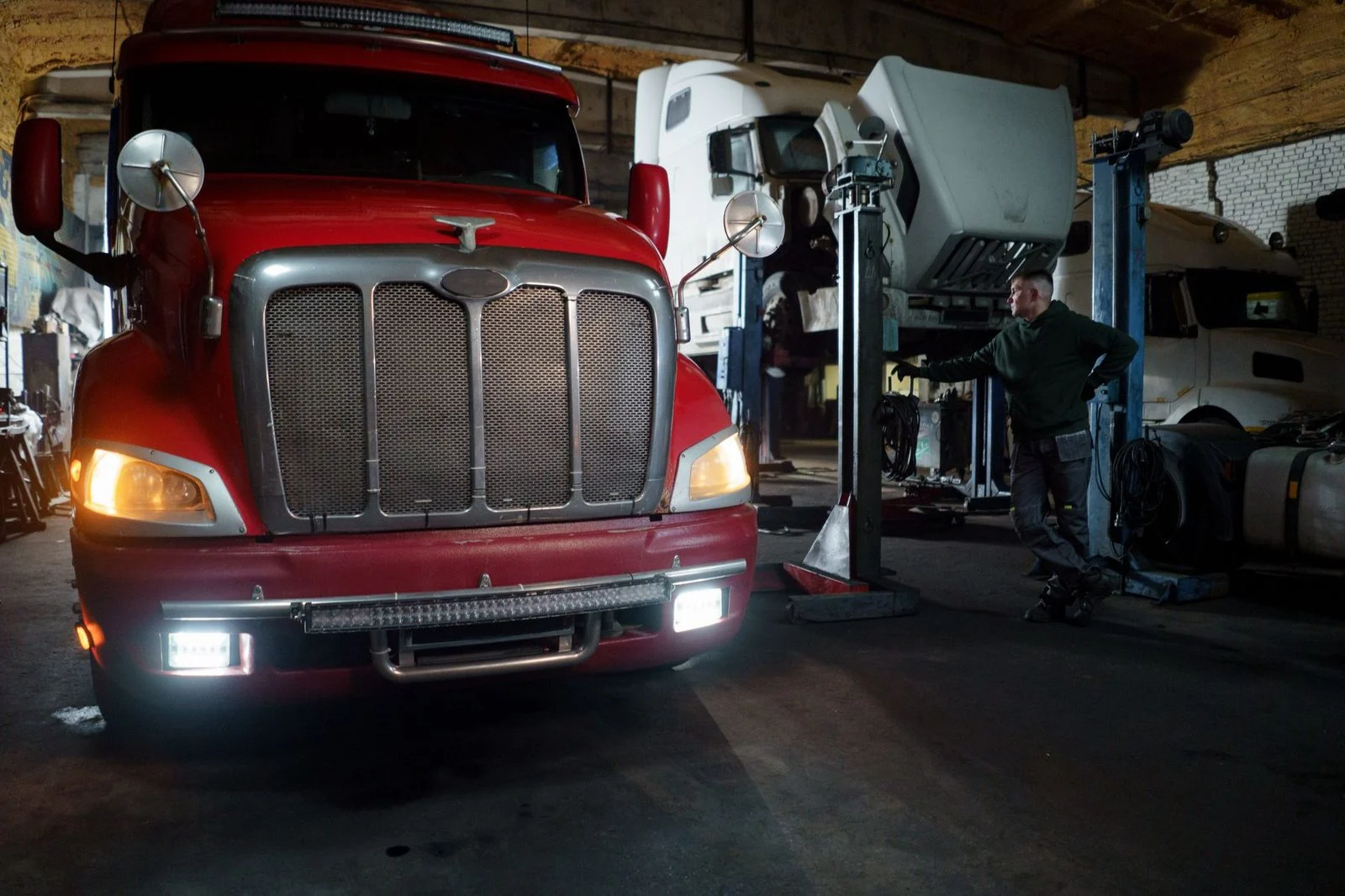
Worn brakes, tires or other equipment can contribute to a crash. Several parties may be involved, including the driver and the trucking company.