

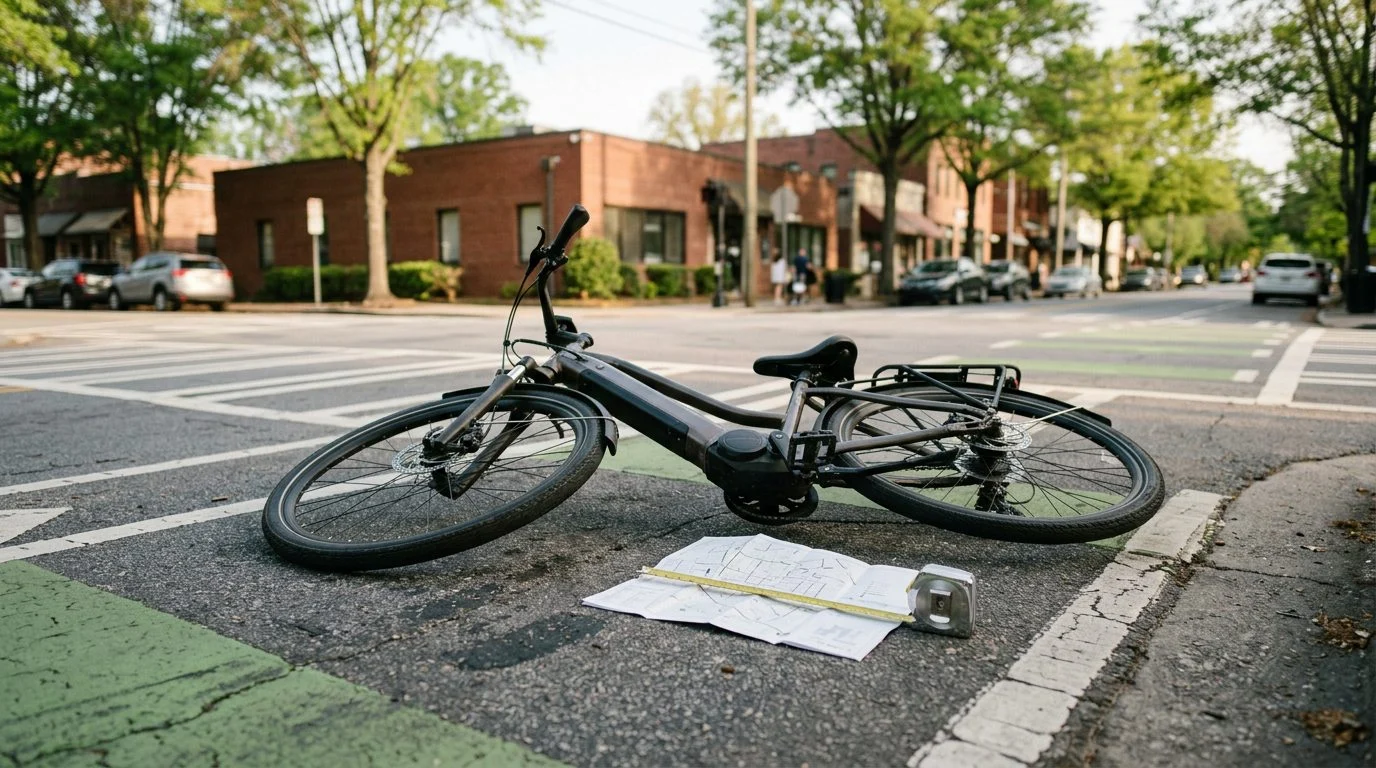
E-bike crash lawyer for older riders in Georgia
Hurt on an e-bike? Talk with a Georgia lawyer who takes older riders' cases seriously.
A fall or collision can change daily life quickly. Here is how the firm looks at these cases and what to do next.
Why riders call T. Madden & Associates, P.C.
1999
Practicing law in Georgia
5
Georgia offices
24/7
Phone line for case evaluations
By Terance Madden · Published November 27, 2026
Your mom came off her e-bike on a Georgia road, and now she faces surgery and a long recovery. You’re the one calling doctors, tracking bills and asking what comes next.
Hurt in an e-bike crash in Georgia as an older rider? The firm helps injured riders seek payment from the people and companies responsible for the harm. Not sure how a claim for an e-bike crash works? This page explains it, and T. Madden & Associates, P.C. represents people hurt in e-bike crashes.
Who This Page Is For and What the Firm Handles
This page is for older riders hurt in e-bike crashes in Georgia, and for the adult child or spouse managing that recovery.
T. Madden & Associates, P.C. has been in practice since 1999. The firm represents people hurt in e-bike crashes, motorcycle crashes, car and truck wrecks and other injury cases. Its offices are in Jonesboro (Clayton County), Atlanta, Decatur, Macon and Augusta.
This page focuses on riders hurt on Georgia roads, bike lanes and shared paths. A fall that looks minor can leave an older rider with months of recovery.
If you are the family manager, you are doing a lot. You’re scheduling appointments, tracking medicine, paying bills and driving to therapy. Those details matter to a claim, and a later section explains which records to keep.
Not sure what your next step is?
Talk it through with our team — the first consultation is free, confidential, and carries no obligation.
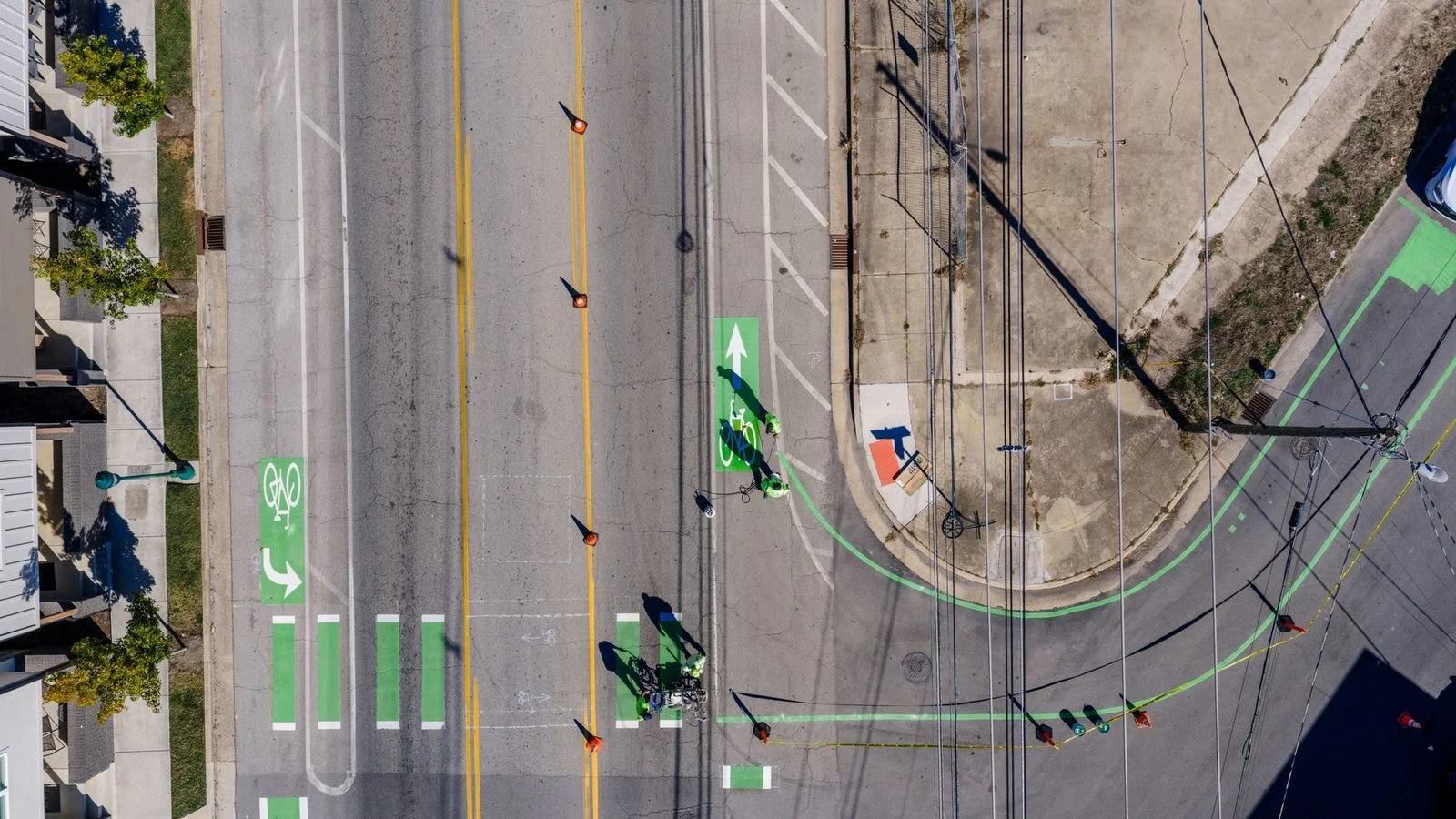
How E-Bike Crashes Happen to Older Riders
Most e-bike crashes that hurt older riders come down to a careless driver, an unsafe road or a bike part that failed.
Common patterns include:
- A driver turns across a bike lane without checking for the rider.
- A car door opens, or a car pulls out in front of the rider.
- A vehicle pushes into the lane and knocks the rider off the bike.
- A brake, motor controller or battery fails, and the rider loses control.
Each one raises a liability question. Liability means legal responsibility, so the question is who caused the harm and who must pay for it.
A fall is not always the rider’s fault. When a part fails, the maker, seller or repair shop may share the blame. Georgia also looks at each person’s share of fault, which the next sections explain.
What a Claim Can Cover: Medical Bills, Recovery and Daily Care
A claim can seek payment for medical bills, lost income and the daily help an injury creates, both now and later.
Georgia law sorts losses into two groups. General damages are losses the law presumes from the injury, such as pain and suffering, and they need no dollar proof. Special damages, like medical bills and lost wages, must be proved.
Medical bills are limited to the reasonable value of medically necessary care, under O.C.G.A. § 51-12-1.1.
Injuries from e-bike falls can include hip and wrist fractures, head injuries, and shoulder or spine injuries. Recovery can run for months, and some injuries last longer.
If you’re keeping the records, start a simple log. Write down each appointment, medicine, ride to care and day of missed work. Save receipts and note the help the family gives at home. These notes back up the claim.
How the Firm Checks the Bike, the Battery and the Crash
The firm looks at the bike and battery along with the crash, because the parts often show who is responsible.
Before law school, Terance Madden trained as an electrical engineer. He starts each case by asking what the evidence shows and how the crash happened. For an e-bike, that means looking at the battery cells, the charging circuit, certification marks on the battery and charger, and where heat or failure began. He also works to keep the bike and its data from being repaired, altered or thrown away before it is reviewed.
The review usually covers:
- Brakes and tires
- The motor and motor controller
- The battery, including signs of damage, heat or swelling
- Chargers and other gear that did not come with the bike
Other companies can share the blame. A product seller, such as a shop that sells or assembles the bike, is not treated as a manufacturer for strict liability under O.C.G.A. § 51-1-11.1. Each company may carry its own insurance.
Georgia’s statute of repose, a firm cutoff in O.C.G.A. § 51-1-11, generally bars a product claim against a manufacturer brought more than ten years after the product’s first sale for use or consumption. It also says it does not relieve a manufacturer of the duty to warn of a danger once the manufacturer knows of it, and in Chrysler Corp. v. Batten the Georgia Supreme Court held that the ten-year limit does not bar a claim that a manufacturer broke that continuing duty to warn.
Who Pays and How Big Insurance Responds
Big Insurance is not on the rider’s side, and a first offer is rarely what a claim is worth.
Georgia’s filing deadline, called the statute of limitations, generally runs two years after a claim arises, which is usually the injury date. See O.C.G.A. § 9-3-33. The law has exceptions, so don’t wait.
Big Insurance often opens with a low offer. It may ask for a recorded statement soon after the crash, before the full injury is known. Payments can stall while claims sit in delay. Adjusters may dispute whether treatment was needed, or call the crash “low impact” so the injuries seem minor. Crash physics, including the change in speed at impact (delta-V), answers that argument with data.
The response is to pursue every coverage layer that applies. That can include the at-fault driver’s liability coverage, the rider’s own uninsured motorist coverage (protection when the driver has no insurance), umbrella or excess coverage, and corporate coverage for a maker or seller. Georgia law sets up uninsured motorist coverage in auto policies, with limits the insured can choose, under O.C.G.A. § 33-7-11. The firm looks at the full cost of the injury over time, not only the first bills.
Shared fault matters too. Under O.C.G.A. § 51-12-33, a rider who is 50 percent or more responsible recovers nothing, and a smaller share reduces the recovery.
When a rider is entitled to Medicare and no-fault or liability insurance is involved, that insurance pays primary for health care services related to the crash, according to CMS. Medicare may also make a conditional payment, which must be repaid from a settlement. See CMS Medicare secondary payer rules.
The firm prepares each case as if it may go to trial.
What to Expect: From Free Consultation to Resolution
The process starts with a free first consultation, then moves to evidence, a claim demand and either a settlement or a lawsuit.
- Free first consultation. The first consultation is free and confidential, with no obligation to continue.
- Records and evidence. The firm gathers medical records, photos, crash reports, and the bike, battery and charger, which should stay unrepaired.
- Claim and demand. The firm builds the damages case and presents it to the insurers.
- Negotiation or lawsuit. The firm negotiates, and if needed files suit while preparing for trial.
Timelines depend on the facts of each case and on how long recovery takes.
You may still be responsible for court costs and case expenses.
Not sure what your next step is?
Talk it through with our team — the first consultation is free, confidential, and carries no obligation.
Questions Families Ask About E-Bike Crash Claims
Short answers to common questions are below.
Does the firm take e-bike crash cases for older riders in Georgia?
Yes. T. Madden & Associates, P.C. represents people hurt in e-bike crashes, including older riders.
Can a family member call for a parent?
Yes. A family member who manages the recovery can call to set up the free consultation.
What if the rider was partly at fault?
Georgia reduces a recovery by the rider’s share of fault. A rider who is 50 percent or more responsible recovers nothing (O.C.G.A. § 51-12-33; Quynn v. Hulsey (2020)).
Can I sue the maker if a battery defect caused the fall?
A defect may support a claim against the maker or seller. Deadlines apply, so act early.
Should I keep the bike?
Yes. Keep the bike, battery and charger as they are until the firm reviews them.
If your parent is still hurting after a fall from an e-bike, and you’re deciding whether to call a lawyer, start with a free case evaluation, available 24/7.