

E-Bike Crashes | Georgia
Hurt on an e-bike? Start with the police report.
A report can be hard to get and easy to misread. Here is what to look for and how our team can help you use it.
Serving Georgia since 1999
1999
Year the firm began practice
5
Georgia offices: Jonesboro, Atlanta, Decatur, Macon and Augusta
Free
Confidential first consultation, with no obligation to continue
By Terance Madden · Published November 13, 2026
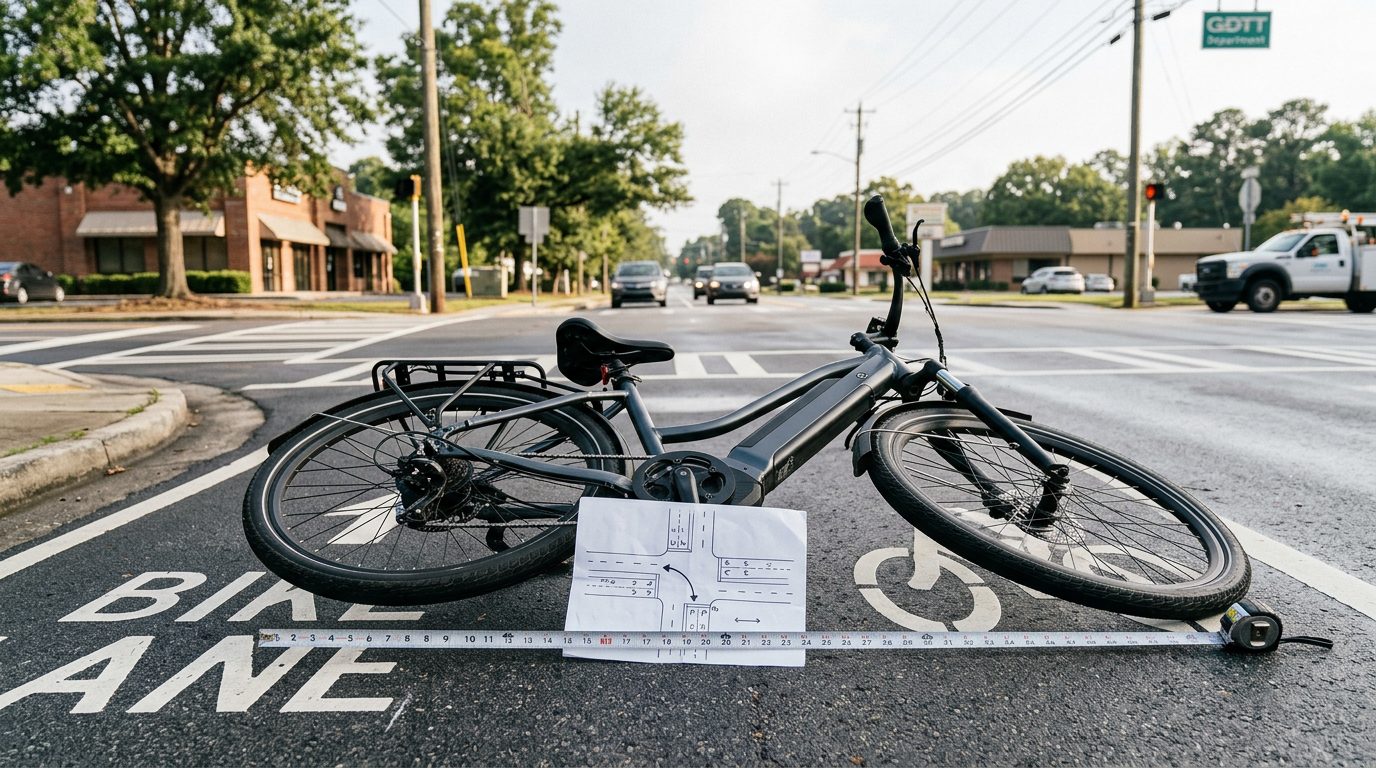
Your arm is throbbing, the bike is bent, and the other driver is already talking. Yes, you should get a police report after an e-bike crash, even if you feel fine at the scene.
The report is the first official record of what happened. Get it early, and keep it safe.
Short answer: yes, get a police report after an e-bike crash
A police report is the investigating officer’s written record of the crash. It names the people involved, the place and time, and what the officer saw and heard. Make sure one is made whenever police can be called to the scene.
Injuries don’t always show up right away. Soreness, headaches and stiffness can take hours or days to appear. A rider who feels fine on the sidewalk still benefits from a report, because it locks in the first facts before anyone changes their story.
Insurers often ask for the report early. A clear one makes it harder for the other side to rewrite what happened. Keep your copy, and write down the officer’s name and the report number.
Not sure what your next step is?
Talk it through with our team — the first consultation is free, confidential, and carries no obligation.
When Georgia requires a crash to be reported
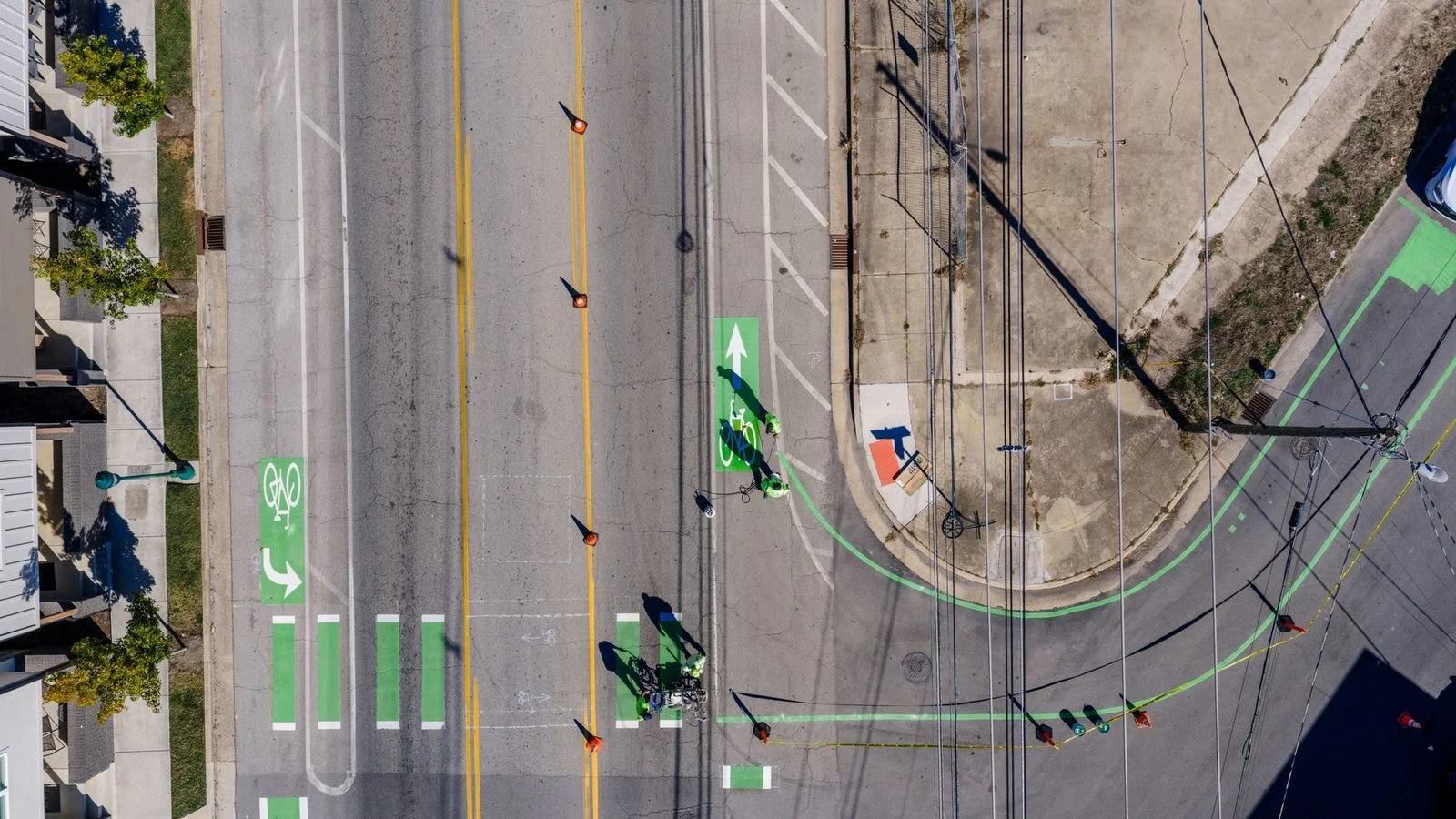
Georgia law puts the reporting duty on the driver. Under O.C.G.A. § 40-6-273, a driver in a crash that causes injury or death, or property damage of $500 or more, must immediately give notice by the quickest means of communication. Inside a city, that notice goes to the local police department. Outside a city, it goes to the county sheriff’s office or the nearest state patrol office.
You don’t have to wait for the other driver to call. Give notice immediately, by the quickest means, when someone is hurt or killed or when property damage appears to be $500 or more: to the local police if the crash is within a municipality, or to the county sheriff or nearest state patrol office if it is outside one. That call starts the record.
Georgia also requires a driver to stay. Under O.C.G.A. § 40-6-270, a driver in a crash involving injury, death, or damage to a vehicle driven or attended by any person must stop at the scene. The driver must give a name, address and registration number, and give reasonable help. That help includes a ride to a doctor or hospital when treatment appears needed or the injured person asks. A driver who knowingly leaves a crash that causes death or serious injury faces a felony, with one to five years in prison.
Use this scene checklist if you can:
- The location and the time
- The other driver’s name, address and registration number
- Witness names and phone numbers
- Photos of the bike, the road and any injuries
How to get a copy of your e-bike crash report in Georgia
Ask the agency that investigated the crash. That is usually a city police department, a county sheriff’s office or the Georgia State Patrol. If the officer gave you a report number, write it down before you leave the scene.
Have these details ready when you ask: the report number, the date, the exact location and the names of everyone involved. A missing or wrong detail is easier to fix early. If the report lists the wrong direction of travel, the wrong bike or a witness who wasn’t there, write that down and raise it with the agency.
Reports can take time to finish. That’s where a family member helps. A spouse, parent or adult daughter can keep one folder with the report number, the request date, every call and every email. That folder becomes the family’s record for the doctors, the insurers and the firm later.
What the report shows, and what an e-bike report can miss
A typical report holds the officer’s narrative, diagrams, witness statements, any citations, and notes on road and weather. Read it line by line. Look for facts that don’t match your memory, and for a fault conclusion that no fact supports.
An e-bike report can leave out details that matter. A report may list an e-bike as a bicycle and say nothing about the motor or battery. Speed settings and battery readings may never be checked at the scene.
Before law school, Terance Madden trained as an electrical engineer, and he holds a B.S. in Electrical Engineering. When he looks at an e-bike case, he asks what the evidence shows and how the crash happened. He reads damage patterns, battery and controller records, and scene measurements with that training. Crash physics, meaning how speed and impact force shape damage, can show whether the story on paper fits the bike.
The bike itself is evidence. Its battery, controller, brakes, tires and broken parts can show what happened. Ask your family not to repair, sell or throw away the bike or its parts until the firm has reviewed them.
If the driver left the scene or was never identified
A hit-and-run leaves you with fewer facts. That makes the report and the scene record more important. Write down the vehicle’s make, its color, any part of the plate, and the direction it went. Do it as soon as you can.
Check for cameras. Nearby shops, homes and buses may have video. Ask the business to keep its footage before it is written over, and don’t wait days to ask.
A driver who flees can face criminal charges. Under O.C.G.A. § 40-6-270, a knowing failure to stop after a crash with a non-serious injury, or with damage to a vehicle driven or attended by any person, is a misdemeanor.
You may still have a claim. Under O.C.G.A. § 33-7-11, Georgia auto liability policies generally must include uninsured motorist coverage, unless the named insured rejects it in writing. If the owner or operator of the other vehicle is unknown, the vehicle is treated as uninsured, but the claim must meet extra conditions. The crash must involve physical contact between the unknown vehicle and the injured person or property, unless an eyewitness other than the injured person corroborates the account. The crash must also be reported as Georgia law requires. Whether your own policy responds depends on the facts and the policy’s wording.
Are e-bikes street legal in Georgia, and why the bike’s class matters
The answer turns on the bike’s class and motor power. Those two facts go into the crash file, and they can shape the insurance claim too.
After a crash, the report, the insurer and the other side will all ask what kind of bike was involved. Write down the make, the model and any label or sticker on the frame. Photograph the motor, the battery and the display. Keep the box and the receipt.
If the display or a phone app shows speed or battery readings, photograph them soon after the crash. Those numbers can change how the crash is described. Confirm the bike’s class and motor from its label or the seller’s paperwork, not from memory.
Not sure what your next step is?
Talk it through with our team — the first consultation is free, confidential, and carries no obligation.
How Big Insurance uses the police report, and how the firm responds
Big Insurance reads the same report to build its own position. Expect these tactics:
- A quick, low offer before the family knows the full medical picture
- A request for a recorded statement (a recorded interview) before you have the facts
- Slow payment and repeated delays
- Disputes over whether your treatment was needed
- A “low impact” argument that a slow bike crash couldn’t cause real injury
- A claim that the rider was at fault
An insurer is not on your side. A first offer is rarely what a claim is worth. Pause before you give a recorded statement or sign anything.
The response starts with coverage. The firm looks at every layer. That includes the at-fault driver’s liability coverage, your uninsured and underinsured motorist coverage (UM/UIM, which protects you when the other driver has too little or no coverage), any umbrella or excess policy (extra coverage above the base limit), and any corporate or vehicle-owner coverage.
The firm also looks at lifetime damages. That means future medical care and lost ability to earn, not only the bills so far. Georgia’s fault rule matters here. Under O.C.G.A. § 51-12-33, a plaintiff who is 50 percent or more responsible for the injury recovers no damages. Below that, the award is reduced by the rider’s share of fault. Each at-fault party pays only its own share.
Next step: talk with the firm about your e-bike crash
Get the report, keep the bike and the scene notes, and read anything before you sign it.
Do I need a police report after an e-bike crash in Georgia?
Yes. A report is a key early record, and Georgia law requires drivers to report crashes that cause injury, death or $500 or more in property damage.
How do I get a copy of my crash report in Georgia?
Ask the agency that investigated: the city police, the county sheriff or the Georgia State Patrol. Have the report number, date, location and names ready.
Can the other insurer use my police report against me?
Insurers often read the report first. Don’t give a recorded statement until you know what the report says.
What if I was partly at fault for my e-bike crash?
Georgia reduces your damages by your share of fault. Under O.C.G.A. § 51-12-33, a rider who is 50 percent or more at fault recovers nothing.
If a driver didn’t stop, or your crash still has no report and no answers, talk with T. Madden & Associates, P.C. Terance Madden is the responsible lawyer for this page. You can request a free consultation that is confidential and comes with no obligation to continue. Firm and lawyer contact details appear in the disclaimer below.