

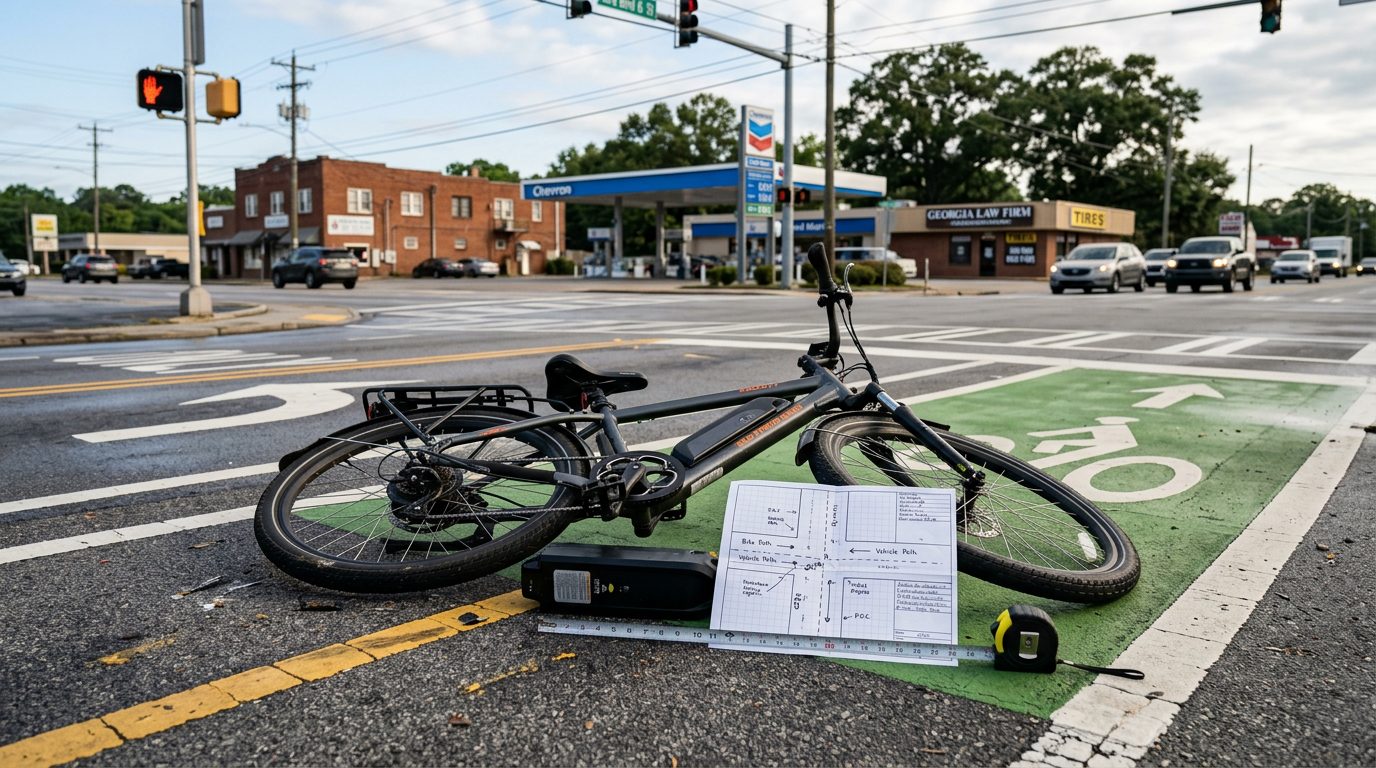
E-bike crashes · Georgia
The police report got it wrong? Your side of the crash still counts.
A report is one officer's first draft of events. Here is how to question it, what to protect right now, and how a lawyer can build your version of what happened.
T. Madden & Associates, P.C.
1999
Serving Georgia clients since
5
Offices: Jonesboro, Atlanta, Decatur, Macon and Augusta
Free
First consultation, with no obligation to continue
By Terance Madden · Published November 20, 2026
If the police report got your e-bike crash wrong in Georgia, you are not stuck with it. The report can be challenged with written corrections, proof, and a request to add information to the file. Here’s why it matters so much: the report is often the first written version of your crash, and insurers and others read it early, before anyone has checked the facts.
Why the Police Report Matters, and Why It Is Not the Final Word
The report matters because it is the first official record of your crash, and it is not the final word on how the crash happened. An officer writes down what he or she was told and what was visible at the scene. A witness’s guess about speed, a driver’s quick words, or a missing detail can end up on the page as if it were settled.
That is why an error matters. Early mistakes can shape how a claim is valued before anyone has the medical records, the bike’s data, or the photos that tell the full story.
You may be hurting, worried about money, and looking at a bike that now sits in a garage like evidence. You did not pick this. Take it one step at a time, starting with the facts you can document.
If the police report has your e-bike crash wrong, you don't have to sort out the next steps alone, and our team is ready to talk it through with you. Talk it through with our team — the first consultation is free, confidential, and carries no obligation.
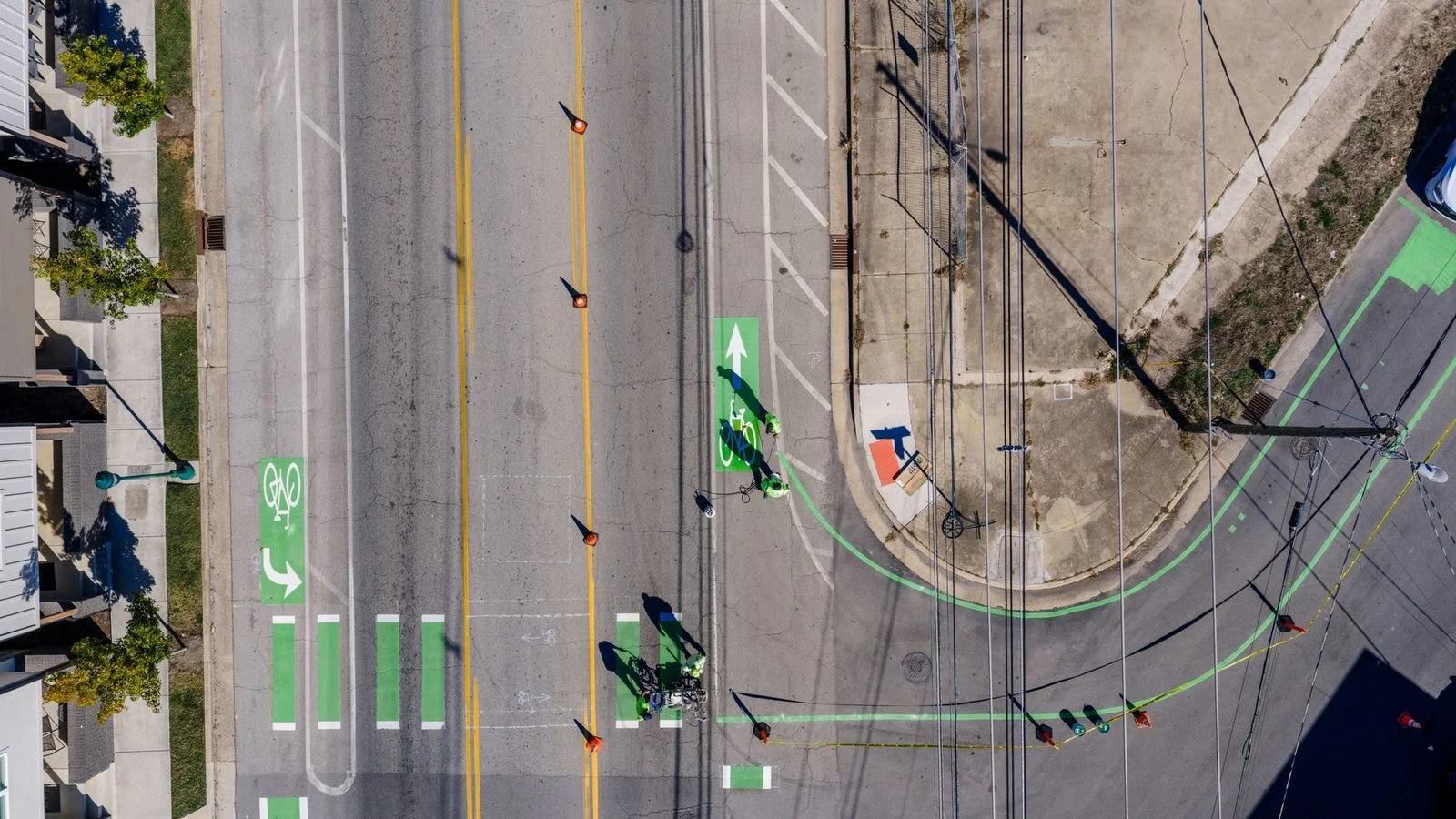
Can You Get a Police Report After an E-Bike Crash in Georgia?
Yes. If an officer responded, ask the agency that responded to the scene for a copy.
Georgia requires a driver in a crash with an injury, a death, or property damage that appears to be $500 or more to give notice right away. Inside a city, that notice goes to the local police department. Outside a city, it goes to the county sheriff or the nearest state patrol office. Read the Georgia crash reporting statute for the exact wording.
If no officer came to the scene, your own notes matter more. Write down what happened while it’s fresh. Get every witness’s name and phone number. Take photos of the bike, the road, any skid or scrape marks, and the damage. Keep all of it in one folder from day one.
Mark the deadline, too. The statute of limitations is the deadline to file a lawsuit. Georgia generally requires a personal injury lawsuit to be brought within two years after the crash, under the Georgia injury deadline statute.
The Mistakes Police Reports Make Most Often in E-Bike Crashes
The most common errors involve basic facts: direction, speed, location, the bike itself, and who saw what. Read the report line by line and check each one.
- The direction of travel. A wrong direction can change who had the right of way.
- The speed. A speed on a report is often an estimate, not a measurement.
- The street, lane, or intersection. Small location errors can change the whole story.
- The bike. It may be listed as a bicycle or a scooter.
- The witnesses. Some are missed, and some are named wrong.
- The story. Does the sequence match the damage to the bike and your injuries?
E-bike details matter in ways many reports skip. Was the motor helping the pedals? How fast was the bike going? Was the battery or controller damaged? A report may leave these questions blank.
Many reports also use short labels, such as failure to stop or failure to yield. A label is the officer’s conclusion from the scene. It is not a judge’s finding of fault.
What a Citation Means When the Report Blames the Injured Rider
A citation is a written charge an officer issues at the scene, and by itself it does not decide who was at fault.
Georgia uses modified comparative fault, a rule about shared blame. A court reduces your damages by your percentage of fault, under the Georgia apportionment statute. If you are 50 percent or more responsible, you recover nothing.
The same statute says the jury or judge must consider everyone who contributed to the crash, even people who were never sued. So one line on a report can change what your claim is worth.
Insurers can use a citation against you. Don’t give a recorded statement, which is an account an insurer records or asks you to confirm, until you understand the report and your options. Answer only what you know, and don’t guess at speed or distance.
How to Build a File to Correct the Report
To correct a report, send the agency written corrections with proof. Ask whether a supplemental report can be added. A supplemental report is a follow-up record that adds information to the original file, if the agency allows it.
Build the proof first:
- Witness names and any written statements.
- Photos and video of the scene, the bike, and the damage.
- Dashcam or phone footage.
- Traffic camera or nearby business video, where it exists. Video is often recorded over quickly, so ask early.
- Repair estimates and damage records.
Number each correction. Use one error per line, with the proof attached. Clear and dated beats long and angry.
Keep the bike. Don’t repair, sell, or scrap it until you have advice. If the battery is damaged, don’t charge it or open it. Move it outside, away from people and anything that can burn.
What an Engineer Looks for When the Report and the Bike Disagree
When the report and the physical evidence disagree, the physical evidence is a useful check on what the report says.
Before law school, Terance Madden trained as an electrical engineer. Before law school, he trained as an electrical engineer, so he starts a case by asking what the evidence shows and how the crash happened. He also works out which records and data exist and makes sure they are preserved.
Many e-bikes have a battery management system, a circuit that tracks battery voltage, current, and temperature. The motor controller sends power to the motor. Some systems store fault or usage data. Whether your bike stores that data depends on the bike itself.
That data can show speed, power output, and whether a fault appeared before the crash. Those details can settle a dispute the report gets wrong.
Crash physics adds another check. The point of impact, skid or scrape marks, and where the bike and rider came to rest show the order of events. Engineering training helps match those marks to the speed and path the report lists. A crash that looked minor can still involve a hard impact.
Other parties can matter, too. A battery maker, a bike seller, a repair shop, or a parts maker may share responsibility if a defect or bad repair played a part. In some product claims, Georgia law says a seller is not treated as the manufacturer, under the Georgia product seller statute. Each party can mean another source of insurance.
Not sure what your next step is?
Talk it through with our team — the first consultation is free, confidential, and carries no obligation.
How Big Insurance Uses the Report, and How the Claim Is Pursued
Big Insurance often uses the report to set a low early value, and a first offer is rarely what a claim is worth.
Three things to know. Big Insurance is not on your side. A first offer is rarely what a claim is worth. The firm knows how to pursue what is owed.
Expect the familiar moves. A low early offer built on the report. A quick recorded statement. Delays that stretch the wait. Disputes over whether your treatment was needed. And “low impact” arguments that a crash looked too small to hurt anyone.
Georgia law lets both sides challenge whether medical bills are reasonable and medically necessary, under the Georgia medical expense statute. That is why your treatment records matter.
The response is to pursue every coverage layer. That can include the at-fault party’s liability coverage, your own uninsured or underinsured motorist coverage (UM/UIM, which can pay when the at-fault driver has too little or no insurance), an umbrella policy (extra coverage above a main policy), excess coverage, and corporate coverage when a business is responsible.
General damages can be recovered without proof of an exact amount, while special damages, such as bills and lost wages, must be proved, under the Georgia damages statute. Your claim should reflect the injury’s full impact over time, not only the bills so far. Prepare every claim as if it may go to trial.
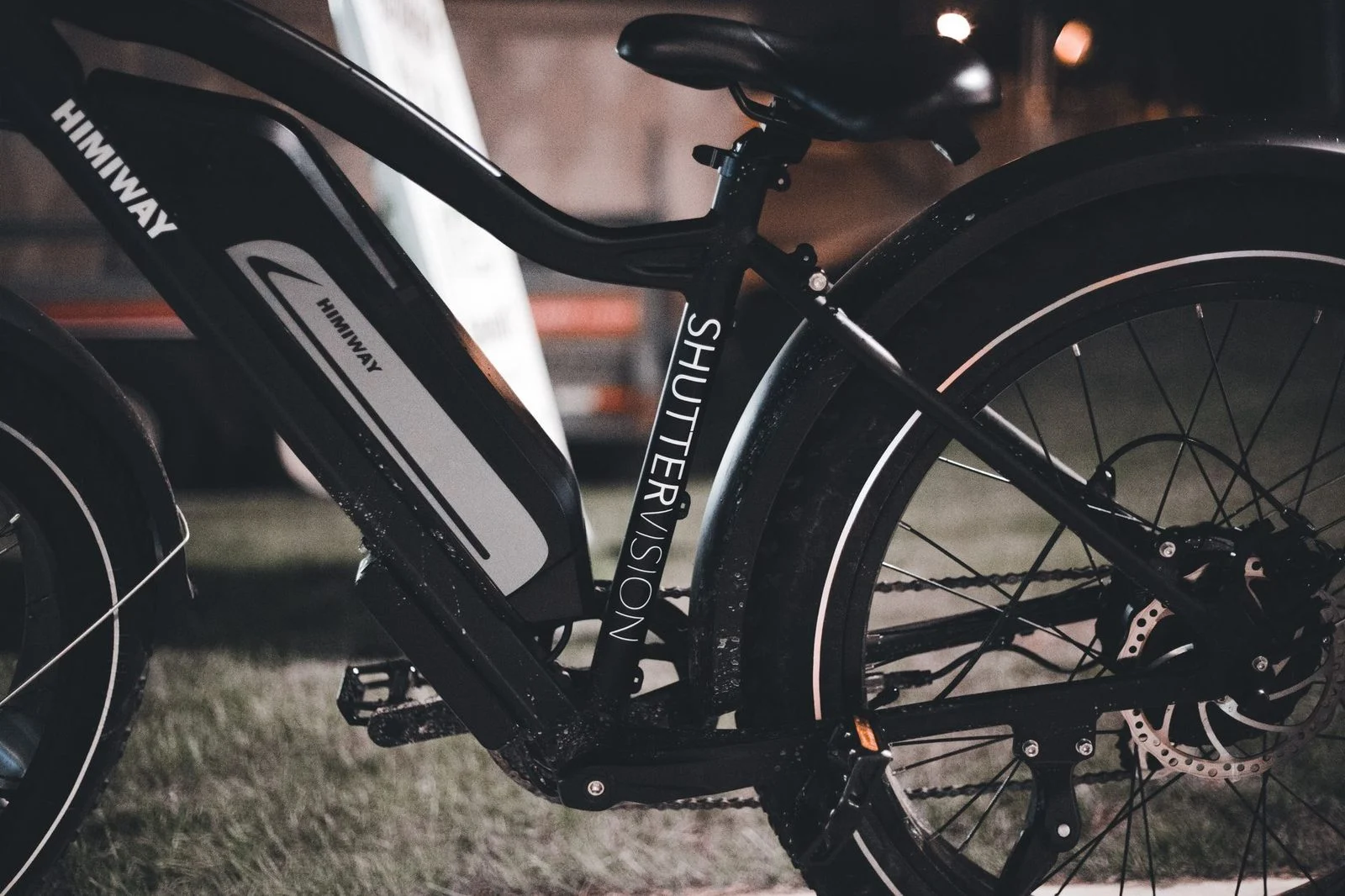
Keeping the Record Straight While Your Loved One Heals
The person managing the recovery needs one folder, one call log, and one list of questions. If you’re a spouse, mother, or adult daughter handling this, you’re carrying a lot, so keep it simple.
Put the report copies, the crash date and time, photos, bills, medical visit notes, and every letter in one folder. Start a call log for every insurer call. Record the date, who called, what was asked, and what was said.
Don’t guess on the phone. It’s fine to say, “I’ll check and call you back.” Then check the folder.
Crashes across Georgia follow the same reporting rules, whether the report comes from a city police department or a county sheriff. The firm has practiced since 1999 and has offices in Jonesboro, Atlanta, Decatur, Macon and Augusta. Our team explains each step in plain English.
Quick Answers
Can I get a copy of an e-bike crash report in Georgia?
Yes. Ask the agency that responded to the scene for a copy.
Does a citation mean I was at fault?
Not by itself. A citation is a written charge from the officer at the scene.
How long do I have to file a lawsuit in Georgia?
Georgia generally requires a personal injury lawsuit within two years after the right to sue arises, but a claim for injury to reputation must be brought within one year, and a claim for injuries to the person involving loss of consortium can be brought within four years (O.C.G.A. § 9-3-33).
If the report has your crash wrong and you’re still sorting out what comes next, you don’t have to do it alone. Contact the firm to talk it through. The first consultation is free, confidential, and comes with no obligation to continue.