

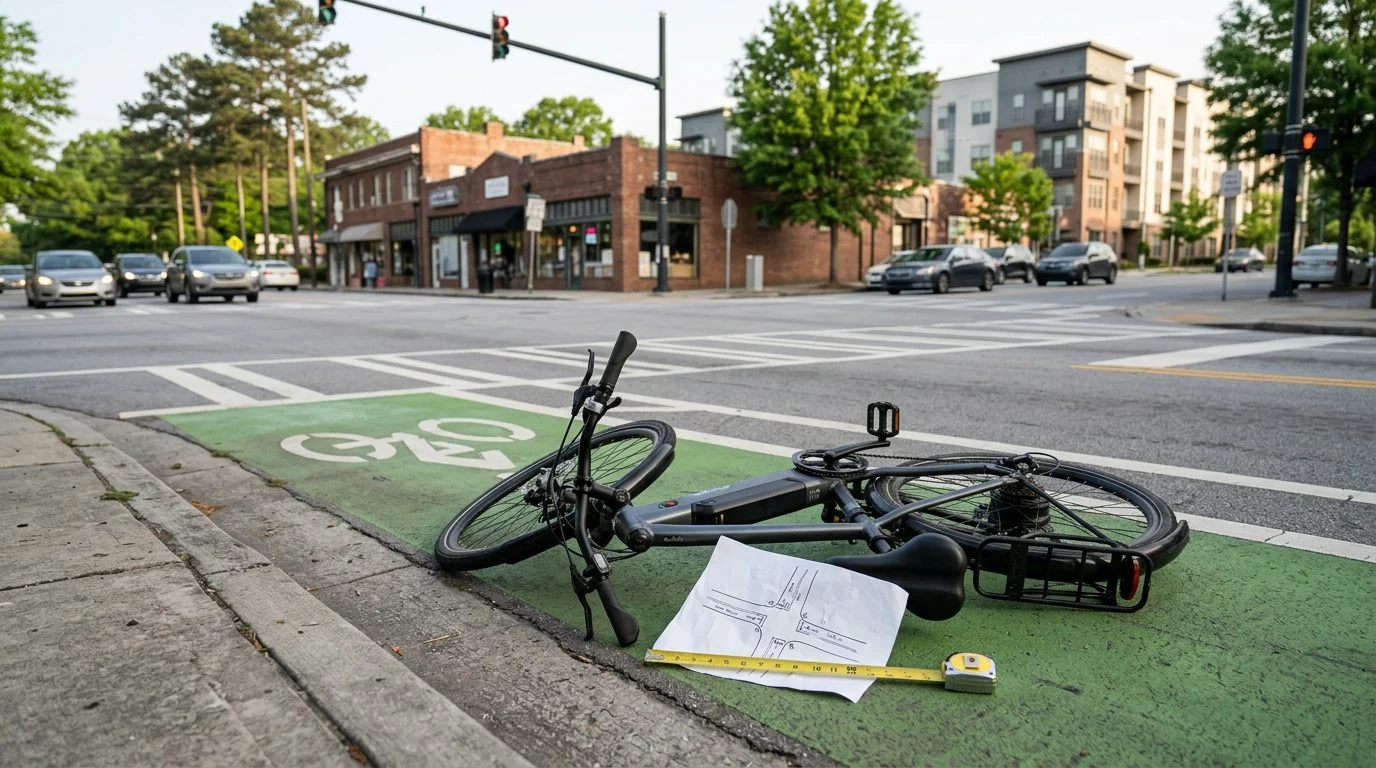
E-bike and greenway crash injuries · Georgia
Hurt on an e-bike trail? Find out who may be responsible.
Trail owners, equipment makers, and drivers can all play a part. The firm looks at the evidence early.
T. Madden & Associates, P.C.
1999
Year the firm began practice
5
Georgia offices
24/7
Call line available
By Terance Madden · Published November 22, 2026
You were riding a trail or greenway, and now you’re hurt. The question is who pays.
Short answer: more than one person or company can share the blame for a crash like this. That can include another rider, a driver at a crossing, the group that maintains the path, or the maker of a battery or charger that failed.
What an E-Bike Trail or Greenway Crash Case Covers
This page covers injuries from crashes on shared trails, greenways and paths. E-bikes, bicycles, walkers and runners all use the same space.
It speaks to the injured rider and to the spouse, parent or adult child who manages the recovery.
These crashes often cause broken bones, head and spinal injuries, road rash and long recovery periods.
Most cases turn on one of three things. A person acted carelessly. A path was kept in an unsafe way. Or a product failed.
Under O.C.G.A. § 51-12-2, general damages, such as pain and suffering, are presumed by law and need no proof of a dollar amount. Special damages, such as medical bills and lost wages, must be proved.
Hurt on a trail or greenway and not sure who is responsible? Call the firm for a free case evaluation, and let our team review what happened while the evidence is still fresh. Talk it through with our team — the first consultation is free, confidential, and carries no obligation.
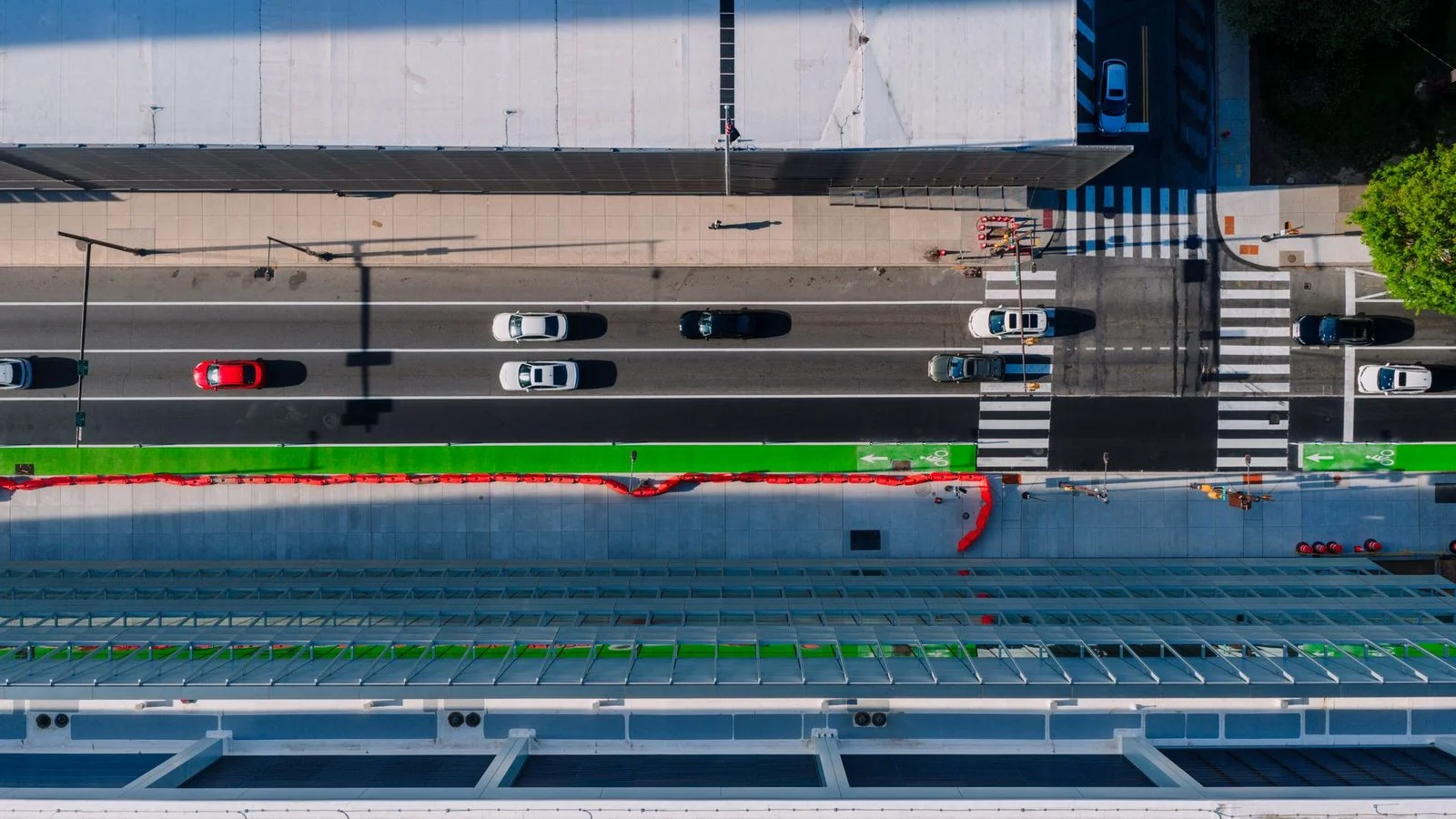
Who Can Be Held Liable After a Trail Crash
Anyone whose careless or unsafe conduct helped cause the crash can share liability. Liability means a legal responsibility to pay for the harm.
- Another rider, walker or driver who failed to keep a lookout, passed unsafely or cut across the path.
- A driver at a trail crossing or parking area who failed to yield.
- The owner or maintainer of the path, such as a city, county, park authority or private owner, for a broken surface, missing warnings or a dangerous design.
- A maintenance contractor, when its work created the hazard. An employer can answer for a contractor’s negligence in listed situations, such as when it controls how the work is done, under O.C.G.A. § 51-2-5.
- The maker of the e-bike, battery or charger: Under O.C.G.A. § 51-1-11, the manufacturer of a product sold as new can be held responsible to a person who uses it or is reasonably affected by it, even if that person did not buy it from the maker. The product must not have been fit and reasonably suited for its intended use when the maker sold it (the law’s word is ‘merchantable’), and that condition must be the proximate cause of the injury, meaning the direct, legal cause. This claim must be filed within ten years of the product’s first sale for use or consumption. The same ten-year limit also covers negligence claims against a maker. For negligence claims, the ten-year limit does not apply to claims arising from a maker’s negligence in manufacturing products that cause a disease or birth defect, or to conduct showing a willful, reckless or wanton disregard for life or property. It also does not end the maker’s duty to warn about a danger once the maker knows of it.
- A repair shop or conversion vendor that changed the bike or installed parts, if that work contributed to the crash.
- Brake, tire or component makers, when a part failed and the failure caused the crash.
What Georgia Law Says About Fault and Deadlines
Georgia cuts your damages by your share of fault, and you recover nothing if your share is 50 percent or more (O.C.G.A. § 51-12-33; Quynn v. Hulsey (2020)).
Lawyers call this comparative fault (shared fault). Under O.C.G.A. § 51-12-33, the judge reduces your award by your percentage of fault. A plaintiff who is 50 percent or more responsible gets no damages.
Each liable person then pays only its own share. Lawyers call this apportionment (splitting the award by fault).
Georgia’s comparative fault rule, in O.C.G.A. § 51-12-33 (Quynn v. Hulsey (2020))(g), bars recovery when a plaintiff is 50 percent or more responsible for the injury or damages claimed.
Georgia generally requires lawsuits for personal injuries to be filed within two years, under O.C.G.A. § 9-3-33 (injuries to reputation must be brought within one year, and loss-of-consortium claims within four years). Claims against a city must be presented in writing within six months of the event, under O.C.G.A. § 36-33-5. Claims against the state need written notice within 12 months of the date the loss was discovered or should have been discovered, under O.C.G.A. § 50-21-26.
Which deadline applies depends on the facts, including who owns the path. Our team reviews the timeline early.
What the E-Bike’s Data and Parts Can Show
The bike’s battery, controller and charger can show whether a defect or a non-original part played a role in the crash.
A battery management system (BMS, the circuit that tracks voltage, current and temperature) keeps records. Controller logs can show power output and fault events before a crash. Charger records can show how the battery was charged.
On a battery fire, the origin-and-cause investigation looks at the cells, the charging circuit and any certification marks. That work traces where the fire started.
Terance Madden leads the firm, which has represented injured Georgia residents since 1999. Before law school he trained as an electrical engineer, so he starts by asking what the evidence shows and how the crash happened. He works out which records exist and makes sure they are preserved.
Do not repair, sell or toss the bike, battery or charger until it has been reviewed. Keep photos, app data, texts and witness names too.
How Big Insurance Responds, and What the Firm Pursues
Big Insurance is not on your side, and its first offer is rarely what your claim is worth.
Expect a few common tactics:
- A low early offer, made before the full bills are in.
- A recorded statement taken soon after the crash, where a loose answer can be used against you.
- Delays in paying bills or processing the claim.
- Disputes over whether your treatment was needed.
- “Low impact” arguments that say a trail crash was too minor to cause real harm.
The response is to pursue every coverage layer that may apply. That includes the at-fault party’s liability coverage, your uninsured and underinsured motorist coverage (UM and UIM, for drivers with no or too little insurance), umbrella and excess policies, and corporate or product policies. Under O.C.G.A. § 33-7-11, an auto liability policy issued in Georgia must carry uninsured motorist coverage unless any insured named in the policy rejects it in writing. That required coverage does not reach umbrella or excess policies unless the policy or an endorsement affirmatively provides it. An insurer also need not add it to a renewal policy if the named insured rejected it on an earlier policy from the same insurer.
Delta-V means the change in speed during impact. An engineer asks how fast each object changed speed, since that number tests a “low impact” claim against evidence.
How the Process Works, Step by Step
The process starts with a free first consultation and moves step by step toward a demand or a lawsuit.
- Free first consultation. Our team reviews what happened and who may be responsible.
- Preservation letters. Written notice that the bike, battery, charger, photos and data must be kept.
- Investigation. We review medical records, the scene, product evidence and every insurance layer.
- Demand and negotiation. A written demand goes out to the insurer to open settlement talks.
- Suit and trial preparation. If a fair resolution is not reached, suit is filed within the deadlines that apply, and the case is readied for trial.
The firm works on a no-fee-unless-we-win basis, but you may still be responsible for court costs and case expenses.
Not sure what your next step is?
Talk it through with our team — the first consultation is free, confidential, and carries no obligation.
Questions Families Ask After a Trail Crash
Here are short answers to the questions injured riders and their families ask.
Can I still have a claim if I was partly at fault?
Yes, if your share of fault is under 50 percent. Your damages are reduced by your share.
Do I have to give a recorded statement to Big Insurance?
Talk with the firm before you give one. A recorded statement can shape the whole claim.
Does the trail owner have to answer for an unsafe surface?
The answer turns on who owns or maintains the path and on the notice rules for that owner.
Who handles things when a spouse or parent is caring for me?
The family member who handles appointments, bills and records can stay in the loop. Our team gives that person plain updates.
Does Medicare have to be repaid from a settlement?
If Medicare paid for care related to your injury, Medicare may have a right to be repaid from a settlement, and the firm addresses that repayment claim as part of the case.
Is a free consultation really free?
Yes. The initial consultation is free, confidential and with no obligation to continue. In Spanish: La consulta inicial es gratuita, confidencial y sin compromiso de continuar.
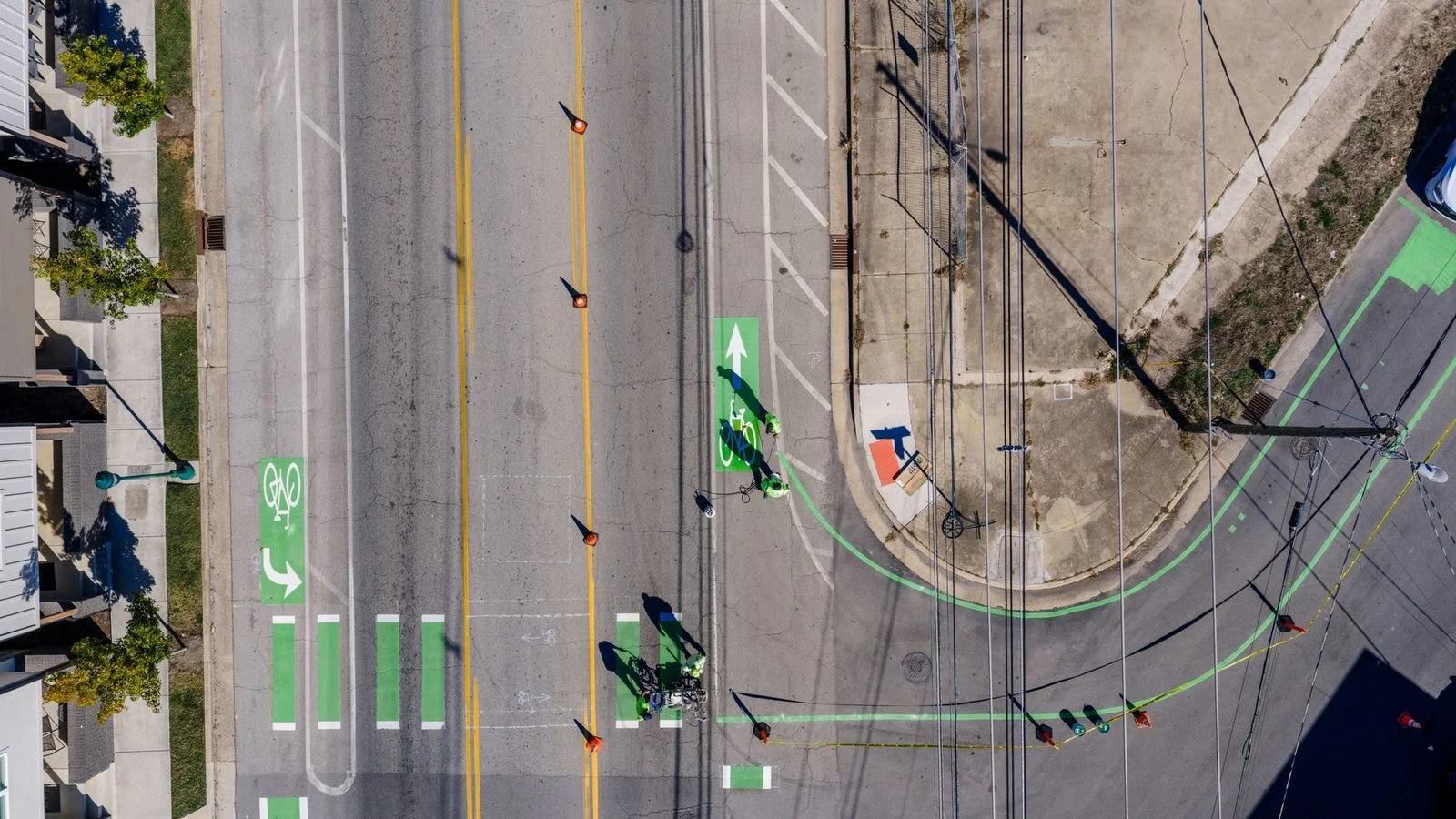
Who May Be Responsible for a Trail Injury
Hurt on a trail or greenway and not sure who is responsible? You may have a claim against more than one party.
Maybe the battery failed, or a driver cut across the path. You’re weighing whether to act now or wait, and the deadlines keep running either way.
Ask for a free case evaluation today. Schedule a free consultation, and call us any time, 24/7, so the bike and crash details can be reviewed while the evidence is still fresh.