

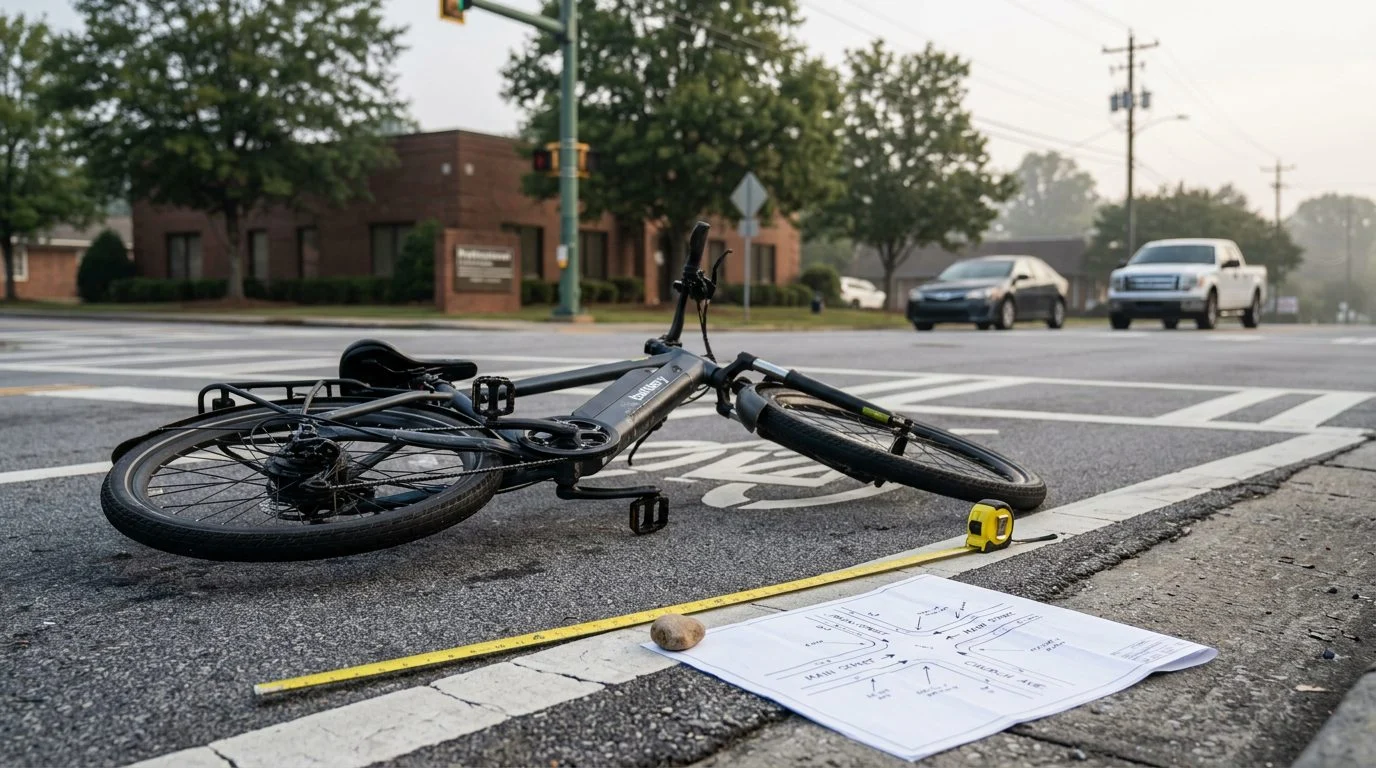
E-bike crash claims for families in Georgia
Your Teen Was Hurt in an E-Bike Crash. You Don't Have to Figure Out the Next Steps Alone.
Our team helps parents understand the questions that come up after a teen is hurt, from the evidence to the paperwork and the people involved.
Serving Georgia families since 1999
1999
Year the firm began representing injured people
5
Georgia offices: Jonesboro, Atlanta, Decatur, Macon and Augusta
24/7
Call the firm any time to talk about a crash
By Terance Madden · Published November 13, 2026
Your teen was hurt in an e-bike crash, and now you’re handling the bills, the phone calls, and the questions. That’s a lot to carry while your child is still healing.
A teen e-bike crash lawyer in Georgia looks at how the crash happened, finds every party who may be liable, and pursues the claim for the injured minor and the family. Georgia generally gives two years to sue for an injury to the person, and a minor’s timing can work differently. Here’s what parents need to know first.
Who This Page Is For and What a Teen E-Bike Crash Lawyer Does
A teen e-bike crash lawyer handles the legal side of the crash so the family can focus on recovery. This page is for parents, guardians, and adult family members, such as a spouse or an adult daughter, who are managing a teen’s care right now.
Liability (legal responsibility for harm) is the question at the center of every case. The lawyer asks who caused the crash, who else shares responsibility, and which insurance policies can pay for the harm.
T. Madden & Associates, P.C. has handled Georgia personal injury cases since 1999. The firm has offices in Jonesboro, Atlanta, Decatur, Macon and Augusta. Terance Madden is the responsible lawyer for this page. The firm’s work includes e-bike crashes as part of its e-bike accident lawyer practice.
If your teen was hurt in an e-bike crash caused by someone else, you do not have to figure out the claim alone. Call us and talk through what comes next. Talk it through with our team — the first consultation is free, confidential, and carries no obligation.
Why Teen E-Bike Crashes Happen
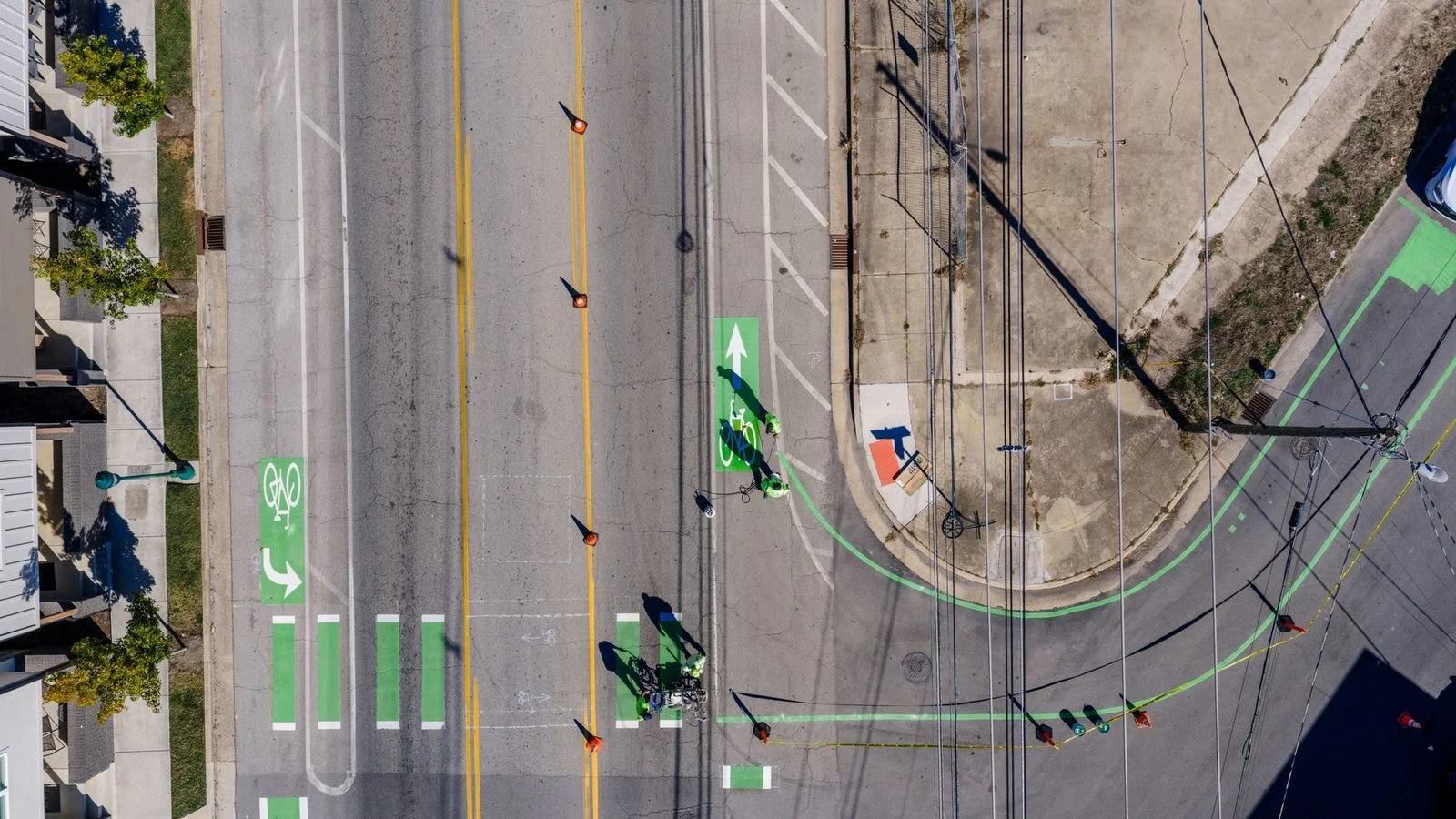
E-bike crashes involving teen riders can have several causes, including a rider’s choice, a defect, or a road that was not safe. Each one leaves evidence that matters later.
- Human error. A driver turns across a bike lane without looking, or a rider runs a signal and doesn’t see the car coming.
- Mechanical and electrical failure. Brakes fail, tires blow out, or a battery or controller fault causes a sudden burst of speed or a loss of control.
- Road conditions. Potholes, broken pavement, missing signs, and poor lighting on routes teens use to get to school or practice.
Other parties can share the blame. A repair shop, a parts maker, or a battery seller may be liable too. Each one can carry its own insurance, which can mean more coverage to pursue.
Terance Madden trained as an electrical engineer before law school. He starts a case by asking what the evidence shows: the battery, the controller, the brakes, and the scene. He also asks which records must be preserved, including the bike, its charger, and phone data. Engineering training helps him judge whether a fault changed how the bike moved, which can answer questions a witness cannot.
What a Claim for a Teen Can Cover
A claim can cover the medical bills, lost time, and pain a crash causes.
General damages are the harms the law presumes from a wrongful act. They can be recovered without proof of a dollar amount. Special damages are actual losses, such as bills and lost wages. They must be proved. (O.C.G.A. § 51-12-2)
In any civil action to recover damages resulting from injury or death to a person, special damages for medical and healthcare expenses are recoverable only as provided in O.C.G.A. § 51-12-1.1, and are limited to the reasonable value of medically necessary care, treatment, or services.
A claim for a teen can include:
- Emergency and ongoing medical care
- Surgery, rehabilitation, and physical therapy
- Prescriptions, braces, and equipment
- Future medical care the injury will need
- Lost school, sports, and work time
- Pain and suffering
Common teen injuries from e-bike crashes include head injuries, concussions, fractures, road rash, and dental and facial injuries. Head injuries can need follow-up care, so keep every appointment and write down new symptoms.
Who brings the claim, and which losses belong to the parent and which to the child, turns on the child’s age and Georgia law. Bring that question to the consultation rather than sorting it out alone.
Georgia’s Deadlines and Fault Rules Parents Need to Know
Georgia generally requires a lawsuit for an injury to the person within two years, under O.C.G.A. § 9-3-33. For a minor, the clock works differently. Under O.C.G.A. § 9-3-90(b), a person under 18 when the claim arises gets the same time to sue after turning 18 that other people get. That statute has exceptions, so don’t count on the pause without advice.
Georgia also follows modified comparative fault, which means shared fault. Under O.C.G.A. § 51-12-33, the judge reduces damages in proportion to the injured person’s percentage of fault. A plaintiff who is 50 percent or more responsible receives no damages.
The statute also apportions the award. Each liable party pays only its own share, not a joint share. The fact-finder (the jury or judge) must weigh the fault of everyone who contributed, even people who were never named in the suit. That’s why every party’s role in the crash matters.
How Big Insurance Handles a Teen’s Crash Claim
Big Insurance is not on your family’s side, and its first offer is rarely what a claim is worth.
Expect these tactics:
- A quick, low settlement offer before the full medical picture is known
- A request for a recorded statement from a teen who is still hurting
- Slow payment of medical bills while a claim is reviewed
- Disputes over whether treatment was needed or what it cost
- “Low impact” arguments that claim a bike crash could not cause a serious injury
Don’t give a recorded statement or sign a release without advice. Send all insurance calls to the firm.
The response is to pursue every layer of coverage. That can include the at-fault party’s liability policy, the family’s own uninsured or underinsured motorist coverage (insurance that pays when the at-fault driver has no insurance or not enough), any umbrella or excess policy (extra liability coverage above the limits of the main policy), and corporate coverage for a business that shares fault. In Georgia, an auto liability policy includes uninsured motorist coverage unless a named insured rejects that coverage in writing, and the insured can choose the coverage limits. (O.C.G.A. § 33-7-11) If the other driver had no insurance, the family’s own policy may respond.
The firm looks at the full cost of the injury over time, not only the bills so far.
How the Firm Works a Teen E-Bike Case, Step by Step
The process starts with a free consultation, then moves to evidence, coverage, and either negotiation or a lawsuit.
- Free consultation. The first consultation is free, confidential, and carries no obligation to continue. Parents can ask every question before they decide anything.
- Evidence preservation. Keep the e-bike, helmet, battery, charger, photos, phone records, and medical records.
- Engineering review. The firm reviews the bike, the scene, and any vehicle data, such as event data from a car, to show what happened.
- Coverage investigation. The firm identifies every liable party and every policy that may apply.
- Negotiation or lawsuit. The firm presents the claim, answers the insurer’s tactics, and files suit before the deadline when needed. Timing depends on the facts and the injury’s course, so families get a plain update at each stage. The firm works on a no-fee-unless-we-win basis, but the client may still be responsible for court costs and case expenses.
Not sure what your next step is?
Talk it through with our team — the first consultation is free, confidential, and carries no obligation.
Questions Parents Ask About Teen E-Bike Crash Claims
Most parents ask about cost, deadlines, and fault first. Here are short answers.
What is the deadline to file for a teen?
Georgia generally allows two years for an injury claim. A minor generally gets the same time as an adult, starting at age 18, with exceptions.
Can a parent bring the claim for a teen?
It turns on the child’s age and the details of the case, so bring the question to a consultation.
What if the teen was partly at fault?
Georgia reduces damages by the injured person’s share of fault (O.C.G.A. § 51-12-33 (Quynn v. Hulsey (2020))(a)), and bars recovery at 50 percent or more (O.C.G.A. § 51-12-33(g)).
What should we tell the insurer?
Don’t give a recorded statement or sign a release without advice, and send all insurer contact to the firm.
If your teen was hurt in an e-bike crash caused by someone else, you don’t have to decide the next step alone. We’ll walk through the evidence and the deadlines while your teen recovers.