

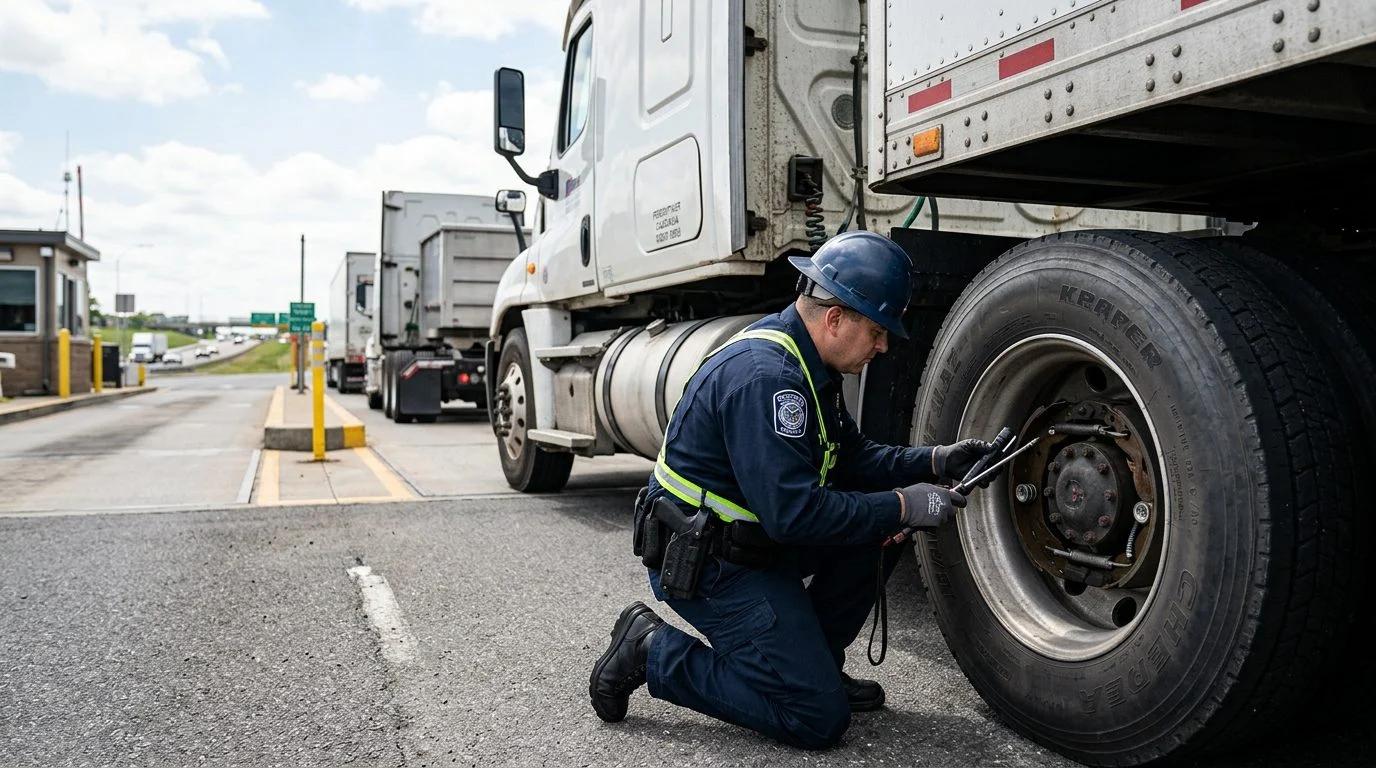
Clayton County · Truck Blind Spot Accidents
Hurt in a Truck Blind Spot Crash in Clayton County? Talk to a Lawyer Today
T. Madden & Associates, P.C. has helped injured people across Georgia since 1999. Your first consultation is free, confidential, and comes with no obligation to continue.
Why Clients Contact Our Firm
1999
Practicing law in Georgia since
5
Offices, including Jonesboro
24/7
Phone availability
Free
Confidential first consultation
By Terance Madden · Published October 26, 2026
If you need a truck blind spot accident lawyer in Clayton County, Georgia law may hold the truck driver and the trucking company responsible for your losses. This page explains how these crashes happen, what a claim can cover, and what to expect next. T. Madden & Associates, P.C. represents people hurt in car and truck wrecks, and its Jonesboro office is in Clayton County.
What Is a Blind Spot or Lane Change Truck Crash?
A blind spot or lane change truck crash happens when a truck driver cannot see a car, or when the truck moves into a lane a car is already using.
Large trucks have no-zones, which are areas where the driver has little or no view. They sit along the right side of the cab, directly in front of the cab, and directly behind the trailer. A car that stays in one of these areas can disappear from the driver’s mirrors.
Lane change crashes often look like a truck drifting or cutting across traffic, then sideswiping or pushing a car off the road. These crashes happen on busy routes such as I-75, I-285, and I-675, and on state routes through Clayton County. For related information, see our Clayton County car accident guide.
This page is for drivers, passengers, motorcyclists, and families of someone killed in one of these crashes.
If a truck cut into your lane or sat in your blind spot, our team can review what happened with you in a free consultation. Talk it through with our team — the first consultation is free, confidential, and carries no obligation.

What Can a Truck Crash Claim Cover?
A claim can seek money for medical bills, lost income, property damage, and pain and suffering.
- Medical costs. These include emergency care, surgery, imaging, therapy, medication, and future treatment. Georgia limits medical damages to the reasonable value of medically necessary care (O.C.G.A. § 51-12-1.1).
- Lost income. This covers missed wages and lost earning ability when injuries keep you from working.
- Property damage. This covers your vehicle and personal belongings.
- Pain and suffering. This covers the physical and emotional harm from the crash.
- Catastrophic injuries. Brain injuries, spinal cord injuries, and amputations often need long-term medical planning and testimony from treating doctors.
- Wrongful death. When a death results from a crime or from criminal or other negligence, the personal representative is entitled to recover funeral, medical, and other necessary expenses (O.C.G.A. § 51-4-5).
Possible defendants include the driver, the trucking company, a shipper or loader, and a maintenance contractor. Georgia law makes a business answer for wrongs its workers commit while doing the job (O.C.G.A. § 51-2-2).
How Is Fault Proven in a Truck Blind Spot Case?
Fault is proven with the crash facts, the trucking company’s records, and evidence collected early. The insurer may argue you shared the blame, so fault matters from the start.
Georgia reduces damages by your share of fault. Under O.C.G.A. § 51-12-33, the judge reduces the award in proportion to your percentage of fault. If you are 50 percent or more responsible, you cannot receive any damages.
Evidence that matters early includes:
- Video. Dashcam or truck video can be overwritten, so it should be requested quickly.
- Crash details. The crash report, witness names, and photos of the scene and vehicle damage.
- Duty-status records. Each driver must record duty status for each 24-hour period (49 CFR 395.8).
- Driver qualification files. A carrier keeps the file while the driver works for it and for three years after (49 CFR 391.51).
- Post-accident testing records. Federal guidance covers post-accident drug and alcohol testing for commercial drivers and the records carriers must keep when a test is not promptly given (FMCSA guidance).
In a lane change case, fault turns on what the driver could see and what the records show.
What Happens After You Call the Firm?
After you call, the firm reviews the crash, requests evidence, documents your losses, and then presses the claim or files suit if needed.
- First contact. Share the date, location, vehicles, and injuries. You can reach the firm through the contact page.
- Evidence requests. Our team asks for video, logs, and vehicle data as soon as possible. It also collects the crash report and witness information.
- Investigation. The firm gathers medical records and works out how the lane change or blind spot collision happened.
- Documenting losses. Bills, wage records, and treatment plans are organized so the full claim is presented.
- Negotiation or filing. The claim goes to the insurer first. Georgia generally sets a two-year deadline for personal injury suits (O.C.G.A. § 9-3-33). Loss of consortium claims have four years under the same statute. Other timing rules can apply, so early action matters.
- Resolution. The claim ends in a settlement or a trial. The firm explains each decision before you make it.
Why Choose T. Madden & Associates, P.C. for a Truck Crash Claim?
T. Madden & Associates, P.C. is a Georgia personal injury firm led by attorney Terance Madden, in practice since 1999.
- Lawyers and team. Terance Madden is the responsible lawyer for this page. The firm’s lawyers include Terance Madden and Shenia Madden, supported by assistants and office staff.
- Offices. The Jonesboro office is in Clayton County. The firm also has offices in Atlanta, Decatur, Macon, and Augusta.
- Case types. The firm represents people hurt in car and truck wrecks, motorcycle and e-bike crashes, and wrongful death cases.
- Free first consultation. It is confidential, with no obligation to continue.
- 24/7 phone access. You can call about a crash that happened at night or on a weekend.
- Fees. The firm works on a no fee unless we win basis. The client may still be responsible for court costs and case expenses.
Common Questions About Truck Blind Spot Crashes
Here are short answers to common questions about these crashes.
Can I recover if I was partly at fault?
Yes, in some cases. Georgia reduces damages by your share of fault, and you cannot recover if you are 50 percent or more responsible (O.C.G.A. § 51-12-33).
Should I talk to the trucking company’s insurer first?
Talk with the firm before you give any recorded statement. A careless answer can be used against your claim.
How long do I have to file?
Georgia generally sets a two-year deadline for injury suits (O.C.G.A. § 9-3-33). Other rules can apply, so call early.
What if the truck driver left the scene?
Report the crash to police right away. Then call the firm, which can look into any video or witness information that may exist.
Does it cost anything to talk?
No. The first consultation is free, confidential, and carries no obligation to continue.
Not sure what your next step is?
Talk it through with our team — the first consultation is free, confidential, and carries no obligation.
Talk to a Truck Blind Spot Accident Lawyer in Clayton County Today
If a truck changed lanes into you or stayed in your blind spot, you don’t have to sort out the insurer, the records, and the deadlines alone. Share the crash details, your injuries, and any insurer requests, and our team will walk through your next steps. Start your free case evaluation through the contact page. Terance Madden is the responsible lawyer for this page.
Common Truck Blind Spot Crash Situations
Lane Changes and Merges
A truck driver may change lanes or merge without seeing a car hiding in the trailer's blind zone along the side of the cab.
Right Turns
Large trucks swing wide on right turns, and a driver may not see a motorcycle, bicycle, or passenger car beside or behind the rig.
Backing Up
Rear blind spots can hide people and vehicles, especially in parking lots, loading docks, and job sites.
Blind Spots in Front of the Cab
The area directly ahead of a truck's cab can hide smaller vehicles, which can lead to serious crashes at low speeds.
How Our Firm Can Help
Investigating the Crash
We look into the crash report, trucking company records, and available evidence to understand what happened.
Focused Representation
Our lawyers, Terance Madden and Shenia Madden, and our team work to keep you informed at every step.
Clear Communication
We explain your options in plain language so you can make informed decisions about your case.
Fees Only If There Is a Recovery
There are no fees unless there is a recovery. You may still be responsible for court costs and case expenses.
Be Careful With the Trucking Company's Insurer
Before you give a recorded statement or sign anything, talk with a lawyer. A careless answer can be used against your claim.