

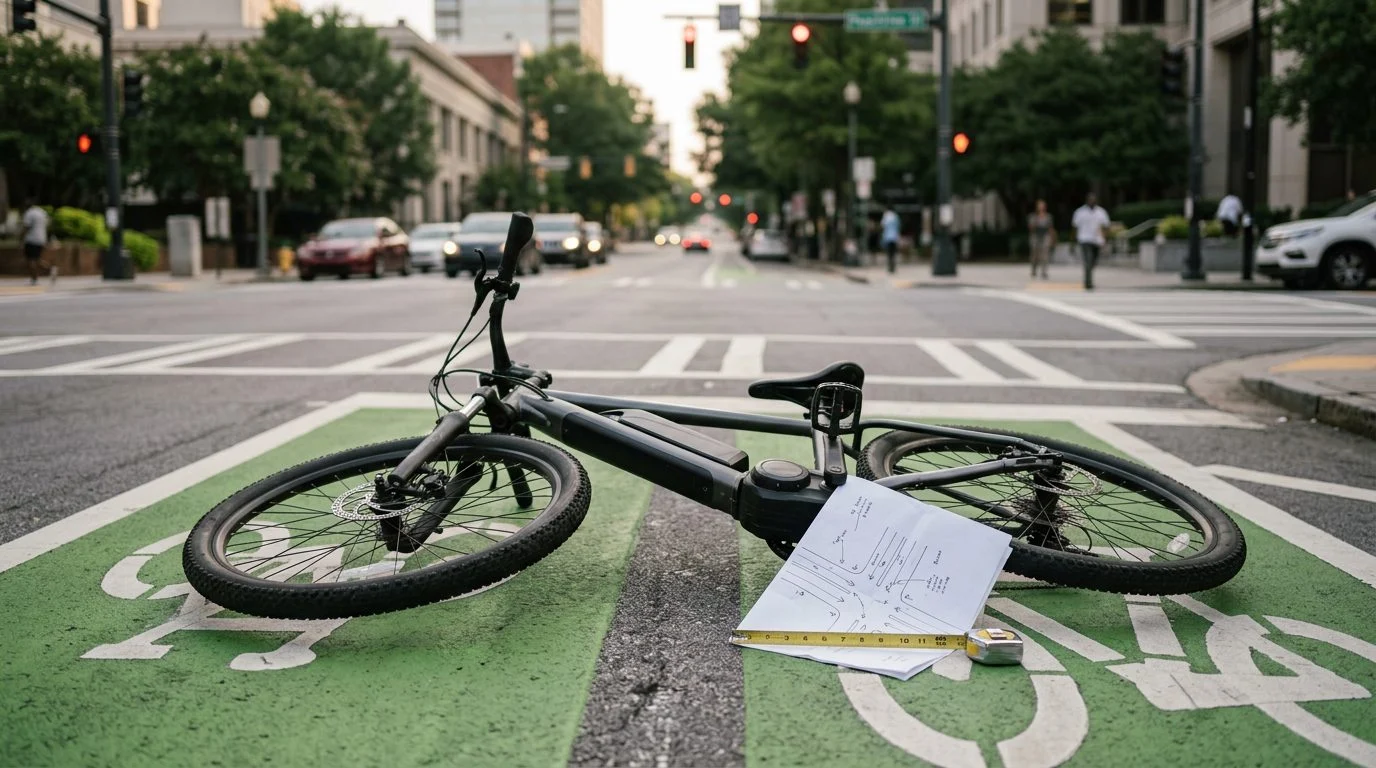
E-Bike Accident Lawyer · Georgia
Hurt on an E-Bike Off the Road? Know the Sidewalk Rules Before You Ride.
Here is how to check them and what to do if a crash happens.
T. Madden & Associates, P.C.
1999
In practice since
5
Georgia offices
24/7
Call us any time
By Terance Madden · Published November 6, 2026
Are E-Bikes Allowed on Sidewalks in Georgia? A Guide
Are e-bikes allowed on sidewalks in Georgia? If you were hurt while riding an e-bike, both the type of e-bike and the local rules where you rode matter. This guide explains those rules and why the place of a ride can matter after a crash. It is general information, not legal advice for your situation.
If you're trying to work out whether a ride was allowed after someone you care about was hurt, you don't have to sort it out alone. Our team is ready to talk, free and confidentially. Talk it through with our team — the first consultation is free, confidential, and carries no obligation.
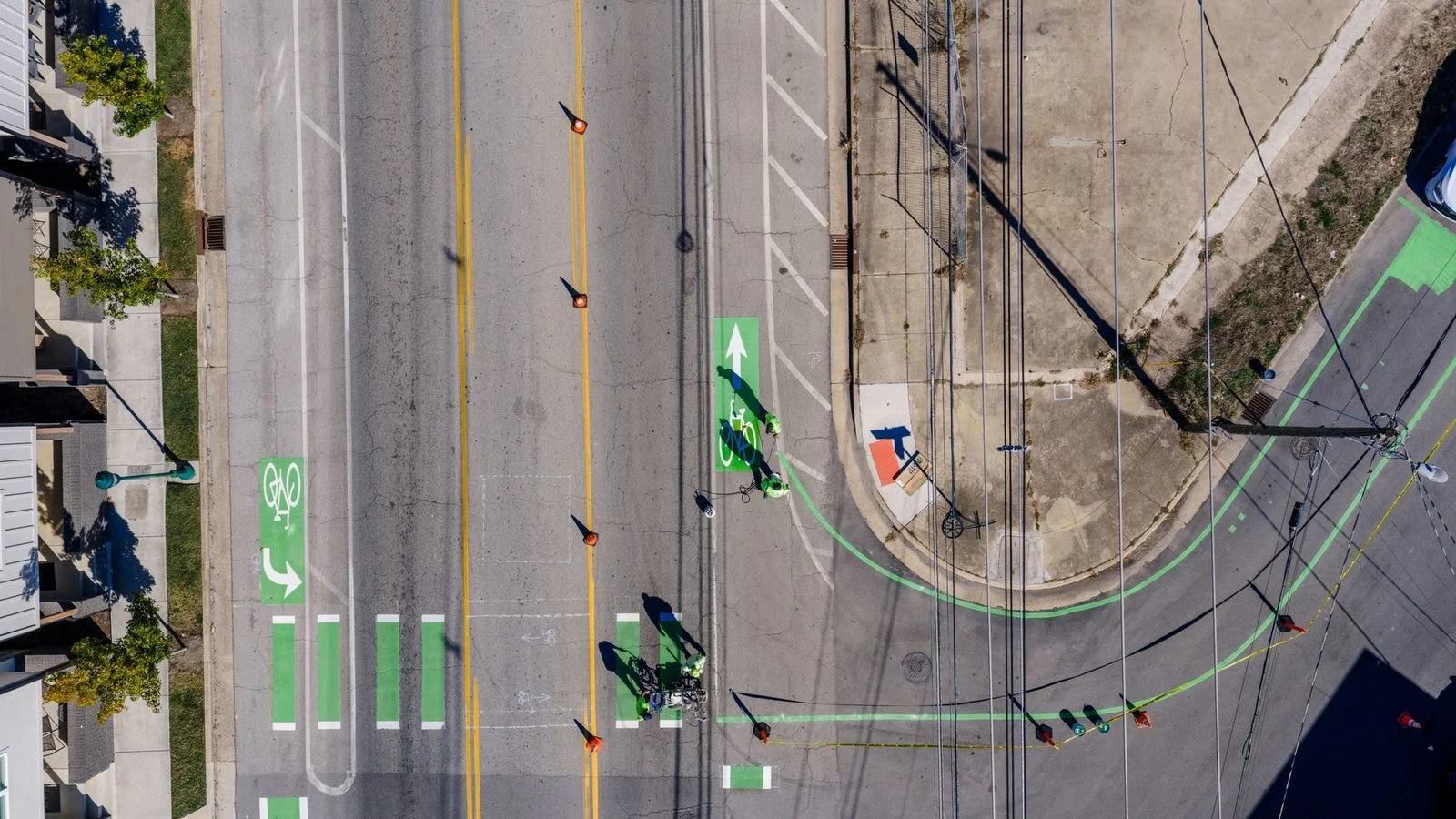
Are E-Bikes Allowed on Georgia Sidewalks? The Short Answer
Sidewalk use is not one answer for every e-bike or every street. The answer turns on the bike and the place. Local rules can apply on top of state law, so a sidewalk in one city may be treated differently from one in another city.
T. Madden & Associates, P.C. has offices in Jonesboro (Clayton County), Atlanta, Decatur, Macon and Augusta. Riders in each of these areas should confirm the local rules for the exact street, path or sidewalk where the ride happened. Those rules are not always the same from one place to the next.
This page covers two questions. The first is where an e-bike may be ridden. The second is why that location can matter when a crash is reviewed. The two are linked, but they are not the same question. If you are reading this after a crash, the location question can come up right away, so it helps to pin it down early.
How Georgia Classifies E-Bikes
E-bikes are not all built the same way, and the design of a bike can matter in a dispute. Some e-bikes add power only when the rider pedals. Others add power through a throttle, which can move the bike without pedaling.
These differences affect more than how the bike feels. Speed, power and how the bike was set up are often among the first questions asked after a crash. Some bikes are sold in classes, and a bike’s class is a fact that can be disputed later.
Because of that, record the details early. Write down the brand and model, and note the label or sticker on the frame. List any changes, such as a battery swap, a controller upgrade or a larger motor. If you can, photograph the bike before it is repaired or moved, so the setup is on record.
Riding an E-Bike on Georgia Roads
An e-bike rider on a public road must use ordinary care, the same as anyone else sharing the road.
Ordinary care is a general standard, so the details of each ride matter. Reviewers often look at where the rider was positioned on the road, whether the rider signaled, and whether the rider followed traffic signals. Those details help show whether the rider acted with ordinary care.
The standard works in both directions. A driver who hits an e-bike rider can also be found to have failed to use ordinary care. The rider’s own choices are weighed too. Each person’s conduct is part of the same review, so neither side’s story is judged in isolation.
Sidewalk Rules: State Law and Local Ordinances
Sidewalk answers come from state law and from local rules, and one ride may be affected by both. Georgia’s pedestrian statutes set duties for drivers and walkers at crosswalks. A driver must stop and stay stopped for a pedestrian in a crosswalk who is on the driver’s half of the road or is approaching within one lane of it, under O.C.G.A. § 40-6-91; this duty does not apply under the conditions stated in subsection (b) of Code Section 40-6-92.
Drivers must take proper precautions when they see a child or someone who appears confused, incapacitated or intoxicated, under O.C.G.A. § 40-6-93.
Local rules can add to these state duties. To work out the sidewalk answer for a specific ride, confirm a few facts. Check the city or county, whether the path is a public sidewalk, a private walkway or a parking area, the e-bike type, and the time of day and lighting. Each of these can change how a crash is reviewed.
How Your Riding Choices Can Affect a Claim
Your choices on the bike are part of how a crash is reviewed. Georgia looks at whether the injured person could have avoided the harm by using ordinary care. Under O.C.G.A. § 51-11-7, a plaintiff who by ordinary care could have avoided the consequences of the defendant’s negligence is not entitled to recover.
That same section adds a limit. In other cases, the defendant is not relieved, even if the plaintiff contributed to the injury in some way. The facts of each crash often shape how a claim is evaluated.
Reviewers may ask about speed, lane position, signaling, lights and whether the rider was on a path that fit the ride. One mistake is to assume the location of the ride settles the question. It does not. The crash facts, the bike and the rider’s care all come into the review together.
Not sure what your next step is?
Talk it through with our team — the first consultation is free, confidential, and carries no obligation.
Why E-Bike Location and Rules Matter After a Crash
Where you rode can change how fault is split, and Georgia reduces damages by your share of fault. Under O.C.G.A. § 51-12-33, the jury determines the injured person’s percentage of fault. The judge then reduces the damages in proportion to that percentage.
The statute also sets a hard line at 50 percent. A plaintiff who is 50 percent or more responsible for the injury or damages claimed is not entitled to receive any damages (O.C.G.A. § 51-12-33; Quynn v. Hulsey (2020)). This is why the location and the rider’s conduct both matter so much.
When more than one person is at fault, each liable person pays only its own share. Those damages are not joint and are not subject to contribution, under the same section. The fault of every person or entity that contributed to the injury is considered, even if that person was never named in the suit, but a nonparty’s fault is considered only if the plaintiff entered into a settlement agreement with that nonparty or a defending party gives notice not later than 120 days prior to the date of trial that the nonparty was wholly or partially at fault.
Property owners can also be part of the review. A sidewalk or parking area on private land can raise that question.
Steps to Take After an E-Bike Crash in Georgia
Get medical care first, then record the scene while it is fresh. Take photos of the bike, the road or path, and any damage. Write down witness names and contact details, and keep the e-bike’s make, model and any changes you noted earlier.
Ask about a police report and keep every record you receive. Save medical bills, repair estimates and messages about the crash. These records help show what happened and what it cost.
Georgia sets a time limit for suing. Under O.C.G.A. § 9-3-33, actions for injuries to the person must be brought within two years after the right of action accrues. Loss of consortium claims have a four-year period under the same section.
If a city or county may be involved, the timing can be much shorter. Under O.C.G.A. § 36-33-5, a claim against a municipal corporation must be presented in writing to its governing authority within six months of the event. Under O.C.G.A. § 36-11-1, claims against counties must be presented within 12 months after they accrue or become payable, or they are barred, provided that minors or other persons laboring under disabilities are allowed 12 months after the removal of the disability to present their claims.
For more on how these claims work, see our e-bike accident lawyer page.
Frequently Asked Questions
Are e-bikes allowed on sidewalks in Georgia?
It depends on the type of e-bike and the local rules for the exact place of the ride. Confirm the city or county before you assume a sidewalk is open to e-bikes.
How long do I have to file an injury lawsuit after an e-bike crash in Georgia?
For injuries to the person, Georgia’s general deadline under O.C.G.A. § 9-3-33 is two years from when the right of action accrues.
Can I recover damages if I was partly at fault?
Georgia reduces damages by your percentage of fault, and bars recovery if you are 50 percent or more responsible under O.C.G.A. § 51-12-33.
Talk With Terance Madden About Your E-Bike Crash
If you are trying to work out whether a ride was allowed while a loved one is still recovering, the facts may feel unclear. You don’t have to sort that out alone. Terance Madden, the responsible lawyer for this page, invites you to talk through what happened. The first consultation is free, confidential and comes with no obligation.
Our fees are on a no-fee-unless-we-win basis, but you may still be responsible for court costs and case expenses. You can start a free case evaluation or schedule a consultation through our contact page. Our phone line is available 24/7.
T. Madden & Associates, P.C. · Responsible lawyer: Terance Madden · Offices in Jonesboro, Atlanta, Decatur, Macon and Augusta. This page is general information, not legal advice.