

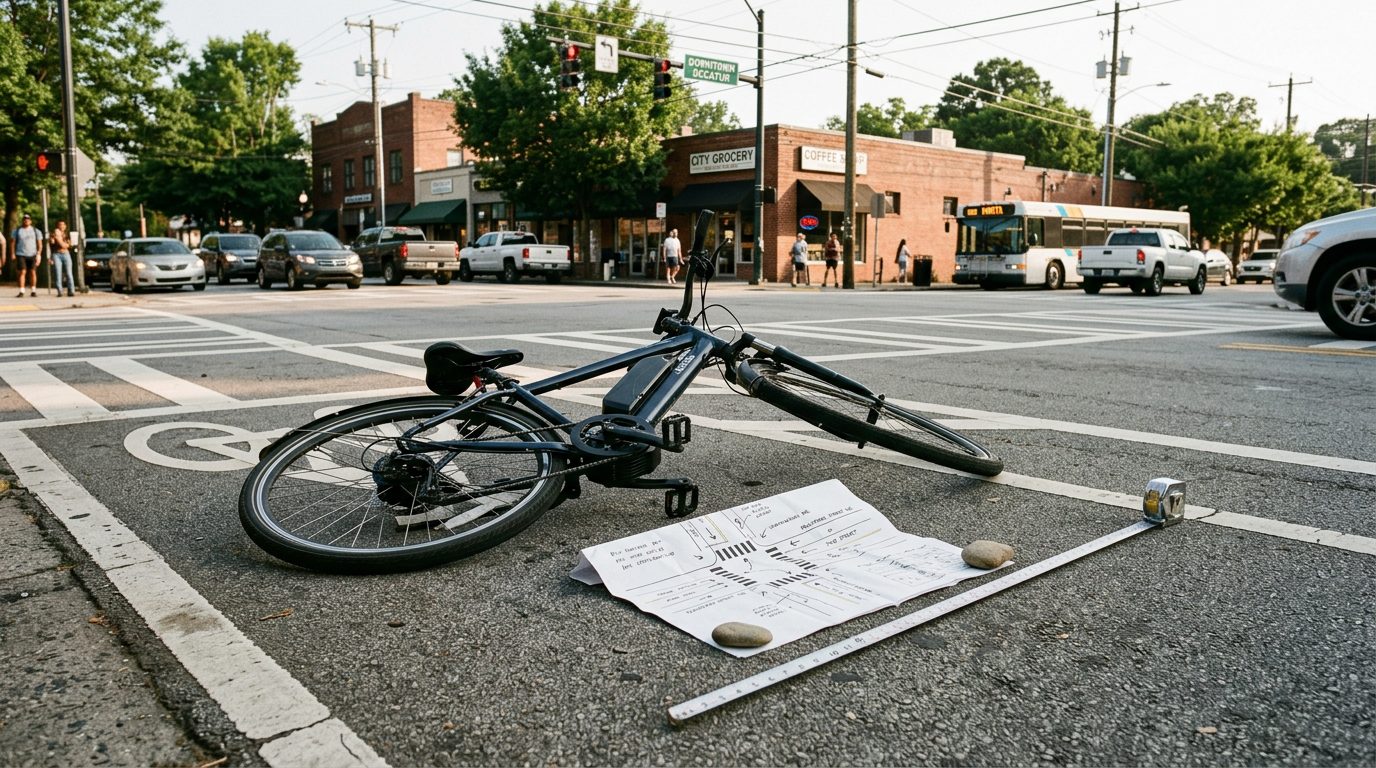
E-Bike Crash Lawyer for Georgia Parents
Your Child Was Hurt on an E-Bike. Talk With a Georgia Lawyer Who Asks the Right Questions.
A parent often carries the bills, the doctor visits and the worry. The firm helps you sort out what happened and what comes next.
Why families call T. Madden & Associates, P.C.
1999
Serving Georgia clients since
5
Offices in Georgia
24/7
Call us any time
No fee
Unless there is a recovery. Court costs and case expenses may still apply.
By Terance Madden · Published November 20, 2026
Your child was hurt on an e-bike, and you’re the one holding everything together now. You want to know whether you can act today or have to wait.
In most cases, a parent or guardian can start the process for a child hurt in a crash someone else caused.
Yes, a Parent Can Often Start the Process for a Hurt Child
Yes. A claim is a demand for payment for harm another person caused. It can settle with an insurer, or it can become a lawsuit if the other side won’t pay a fair amount.
Each child’s facts decide what applies. The child’s age, who was at fault, what insurance exists, and when the injury happened all shape the next step. Georgia law sets the rules, and the firm reads them against this child’s facts.
If you’re managing this recovery, you’re already doing part of the claim work. You’re tracking appointments, bills and the changes you see in your child every day. That record matters, so start it now. For a closer look at timing, read the teen e-bike crash parent guide.
If your child was hurt on an e-bike in a crash someone else caused, you don't have to sort out the deadlines and insurance alone. Reach out to the firm, available 24/7. Talk it through with our team — the first consultation is free, confidential, and carries no obligation.
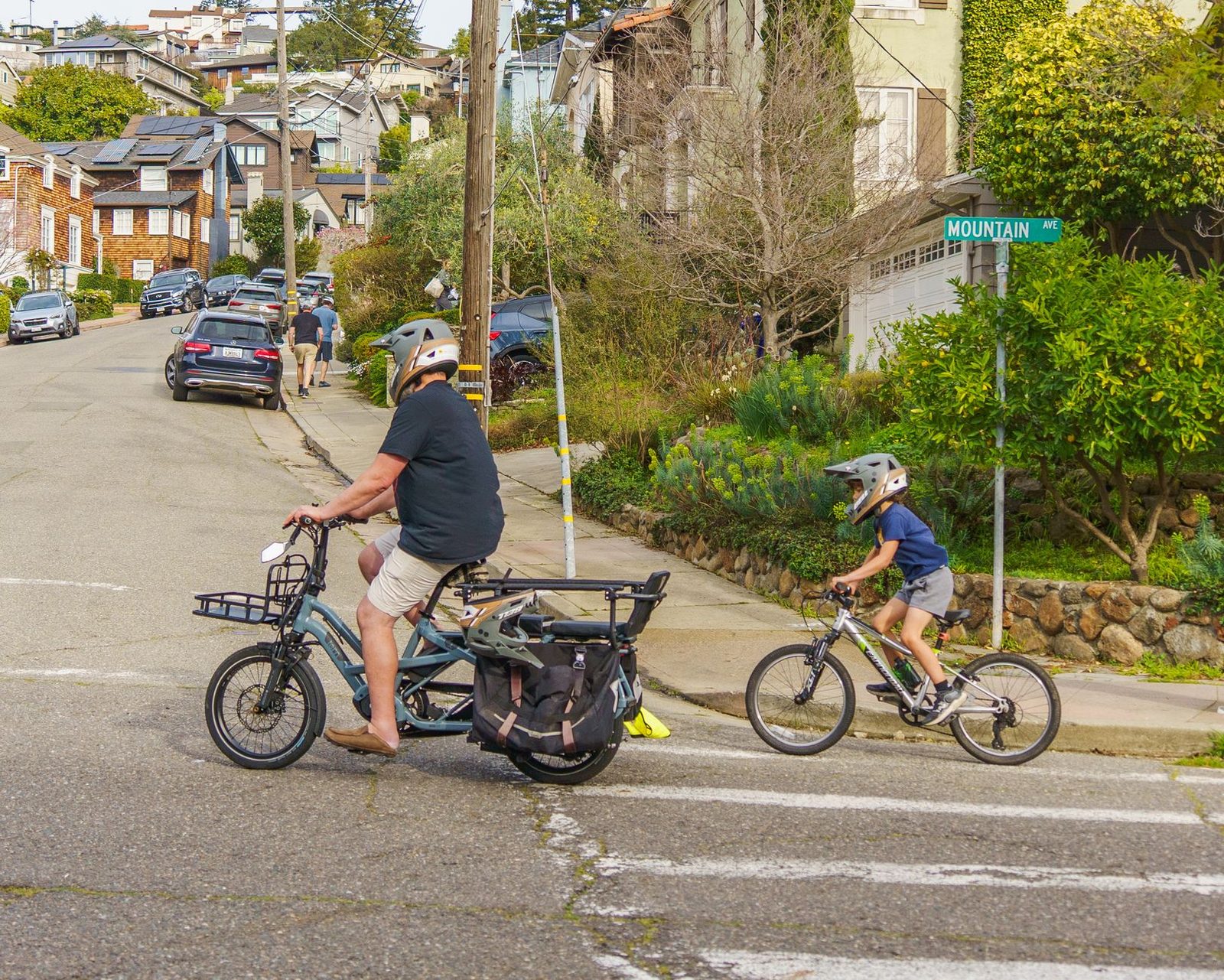
Who Holds the Claim for a Child in Georgia
In a lawsuit, that adult is called the next friend. A next friend is an adult who brings a lawsuit on behalf of a minor, which means a person under 18.
The parent’s claim covers money the parent spent and costs the parent carried because of the child’s injury. Keeping them apart matters, because each may follow its own rules.
Bring these to the first conversation:
- The child’s birth date
- The date and place of the crash, plus the bike’s make, model and battery details if known
- Names of every treating provider, therapist and school contact
- Photos, texts or video from the scene
- Any letters you’ve received from an insurer
Time Limits: The Clock and What It Means for a Minor
For most injury claims, Georgia gives two years to file. The filing deadline is called the statute of limitations. O.C.G.A. § 9-3-33 says actions for injuries to the person must generally be brought within two years after the right of action accrues, except for loss of consortium actions, which have four years.
A minor’s own claim works differently. Under O.C.G.A. § 9-3-90, except as otherwise provided in Code Section 9-3-33.1, a child under 18 when the claim arises gets the same time after turning 18 that other people get. The law calls that pause tolling.
The statute notes exceptions, so the firm checks this child’s facts before counting on the pause. Waiting is never the safe default. Evidence doesn’t wait for you. A battery can be swapped out, a bike can be repaired or hauled away, and crash data can be lost. The sooner a claim starts, the sooner the crash record is preserved. Read more in the minor e-bike crash claim deadline guide.
Why a Parent’s Claim May Not Wait for the Child’s 18th Birthday
A parent’s own claim can run on a different path and a different clock than the child’s. It often covers medical bills the parent paid and the cost of care the parent provided. That claim may carry its own deadline, so the firm checks that date first.
Necessary expenses caused by an injury are part of the damages estimate. Damages are the money a court or insurer pays for harm. Out-of-pocket costs are one of the most concrete parts of that number, so the paper trail matters.
Start a simple list today:
- Every bill you paid, with the date and the provider
- Mileage to appointments, pharmacies and school meetings
- Copays, parking and supplies you bought for care
- Equipment, such as a wheelchair ramp, bed rail or brace
- Hours of care you provided, and when
Keep receipts and statements in one folder. Don’t throw anything away, even if an insurer says it won’t pay. Every item tells part of the story.
Who May Be Responsible, and Every Insurance Layer That May Pay
More than one party can share fault for an e-bike crash. A car or truck driver may be at fault. So may a property owner, a repair shop, or a company that made or sold a defective battery, charger or part.
Georgia treats a maker and a seller differently. A product seller is a business that sells, labels or otherwise places a product into commerce. For strict liability (liability without proof of fault), a product seller is not treated as a manufacturer. So the firm looks closely at who designed, built and sold the battery and charger.
Several sources of money may apply:
- Liability coverage from the at-fault party’s own policy
- Umbrella or excess coverage, which sits above a base policy
- Corporate coverage from a company that made or sold a defective product
Before law school, Terance Madden trained as an electrical engineer. He starts a case by asking what the evidence shows and how the crash happened. With a battery or charger, that means looking at the cells, the charging circuit, any certification marks, and where the fire or failure began. Those records need to be preserved early.
How the Other Side May Argue the Teen’s Own Choices
The other side often argues the child caused part of the crash. Expect claims that the rider was going too fast, wasn’t wearing a helmet, or was somewhere a bike shouldn’t be.
Georgia uses a fault rule that splits blame. Under O.C.G.A. § 51-12-33, a judge reduces an award by the injured person’s share of fault. This is called comparative fault (shared fault). Fault can also be assigned to others who contributed, even if they were never sued, but nonparty fault is considered if the plaintiff entered into a settlement agreement with the nonparty or if a defending party gives notice not later than 120 days prior to the date of trial that a nonparty was wholly or partially at fault. If the injured person is 50 percent or more responsible, the law bars any damages.
Crash physics matters here. An engineer looks at how fast the bike was moving at impact. He also looks at how much its speed changed in the hit, which is called delta-V. Those numbers show whether the crash came from a reckless choice by another driver or a failure in the system around the rider. The firm reads the scene, the photos and any device data with that in mind.
Where the facts support it, the crash was someone else’s reckless choice, not the child’s fault. Write down what the child was wearing, how the bike was ridden that day, and what the other driver did just before impact.
Not sure what your next step is?
Talk it through with our team — the first consultation is free, confidential, and carries no obligation.
How Big Insurance Treats a Child’s Claim
Big Insurance is not on your family’s side. An insurer’s first offer is rarely what a claim is worth, even when it looks like a lot to a family still in shock.
Expect these tactics:
- A low early offer, made before the full medical picture is known
- A recorded statement taken while a parent is worn out and scared
- Delays in paying bills, or letters asking for more records
- Disputes over whether a treatment was really needed
- “Low impact” arguments that say a slower bike couldn’t cause real harm
The response is to pursue every coverage layer. The firm values your child’s future care and lifetime costs, not just today’s bills. Under Georgia law, medical expenses are limited to the reasonable value of medically necessary care under O.C.G.A. § 51-12-1.1. Future money can be reduced to present value, meaning what it is worth today, under O.C.G.A. § 51-12-13. The firm has handled injury cases in Georgia since 1999.
Don’t give a recorded statement or sign a release before you talk with the firm.
Medical Records, School and Therapy Costs, and Documenting Daily Care
Medical records prove what care your child needed and why. Ask each provider for the full chart, including visit notes, imaging, surgery notes and itemized bills. A summary alone doesn’t show the whole story.
Some providers treat patients under a letter of protection, which is a promise to be paid from a future settlement. Georgia law makes that letter, the itemized charges and any referral source fair game for the other side to examine, as set out in O.C.G.A. § 51-12-1.1. Keep copies of every letter you sign.
Track school and therapy costs too. That includes tutoring, school accommodations you paid for, physical, occupational and speech therapy, counseling, and mileage to appointments.
Daily care needs a log. A notebook or phone note works. Record medicines, sleep, pain levels, activities your child can no longer do, appointments, and the hours you spend on care. Write the date and time next to each entry.
If you’re the one driving, scheduling, lifting and sitting up at night, that work counts. Write it down. It shows what the injury took from your family, in hours and in strain.
If a Child Died in an E-Bike Crash: The Wrongful Death Clock
If a child died, the claim is different. A wrongful death claim is brought after a person dies because of another’s wrongful conduct. Georgia ties a child’s wrongful death claim to other code sections that set out who may recover, as stated in O.C.G.A. § 51-4-4.
The firm reviews who may bring the claim and which deadline applies to the family’s facts. Time matters here too, so the family should get the deadline checked early.
Families in this position should keep the child’s school records, photos and any details about the bike or battery. Those records help the family and the firm build the picture of what happened.
Where the Firm Works Since 1999
T. Madden & Associates, P.C. has been in practice since 1999. Terance Madden leads the firm and is the responsible lawyer for this page. Shenia Madden is also a lawyer at the firm.
The firm has offices in Jonesboro (Clayton County), Atlanta, Decatur, Macon and Augusta. It handles car, truck, motorcycle and e-bike crashes, product cases, and wrongful death claims.
The firm works in plain English and keeps families informed about their case. The Terance Madden Foundation also supports community work.
Talk to the Firm About Your Child’s Claim
If your child is in a hospital bed or a therapy chair, and the bike or battery is still sitting at home, you’re making a decision about timing. Calling early gives the firm a chance to look at the records while they still exist.
If your child was hurt on an e-bike in a crash someone else caused, you don’t have to sort out the deadlines and the insurance alone. Start a free case evaluation with the firm, available 24/7, to learn what applies to your child’s facts.
The first consultation is free, confidential, and carries no obligation to continue. The firm works on a no-fee-unless-we-win basis, but you may still be responsible for court costs and case expenses.
If your child was hurt on an e-bike in a crash someone else caused, you don't have to sort out the deadlines and insurance alone. Reach out to the firm, available 24/7. Talk it through with our team — the first consultation is free, confidential, and carries no obligation.
Frequently Asked Questions
Can a parent file a claim if my child was hurt in an e-bike crash in Georgia?
Often, yes. In many cases a parent can bring a claim for a minor child’s injuries, including medical bills the parent paid and the child’s lost care or services. The details depend on the facts of the crash, so the firm reviews each case on its own.
How long do I have to file a claim after my child’s e-bike crash in Georgia?
Georgia’s general deadline for personal injury lawsuits is two years from the date of the injury under O.C.G.A. § 9-3-33. Deadlines for minors and parents’ claims can work differently, so contact the firm soon instead of waiting.
Who can be held responsible if an e-bike crash injured my child?
Responsible parties can include a driver who acted carelessly, a property owner with a dangerous road or path condition, or a manufacturer if a defective battery or part caused the crash. Terance Madden trained as an electrical engineer, so he looks closely at battery, wiring and part evidence when it matters to the case.
What should I do to protect my child’s claim after an e-bike crash?
Get your child medical care right away, keep every bill and record, and save photos of the scene and the e-bike. Do not give a recorded statement to Big Insurance before talking with a lawyer. The firm offers a free first consultation that is confidential and comes with no obligation to continue.